The Rise of Digital Wallets in the United Kingdom: A Comprehensive Guide
In the rapidly evolving landscape of financial technology, digital wallets have emerged as a transformative tool for consumers and businesses alike. As the United Kingdom continues to embrace digital innovation, the adoption of digital wallets is on the rise, reshaping how people manage their finances and make transactions. This article explores the concept of digital wallets, their functionality, security features, and their growing influence across the UK.
What Is a Digital Wallet?
A digital wallet, also known as an electronic or mobile wallet, is a software application that securely stores payment information, enabling users to conduct transactions using connected devices such as smartphones or tablets. Unlike traditional physical wallets, digital wallets eliminate the need to carry multiple cards, offering a streamlined and convenient way to pay for goods and services both online and in-store.
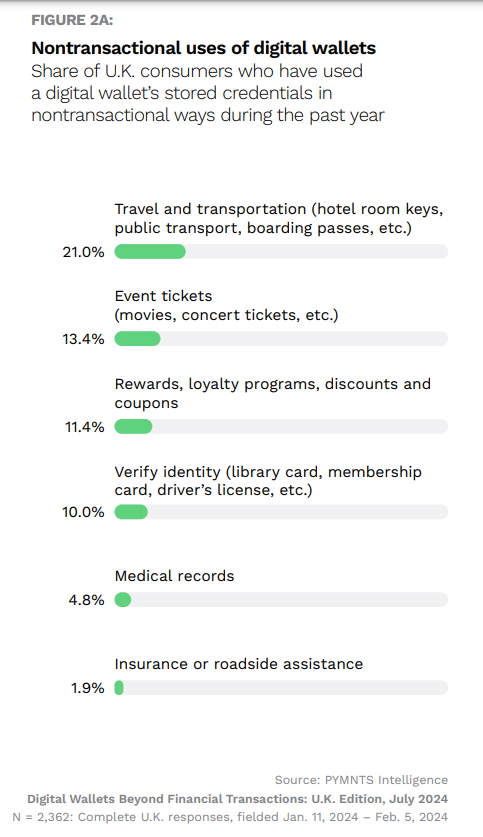
Digital wallets can store a variety of information, including credit and debit card details, loyalty cards, gift cards, boarding passes, and even identification documents. This versatility makes them a valuable tool for modern consumers who seek efficiency and security in their daily transactions.
How Do Digital Wallets Work?
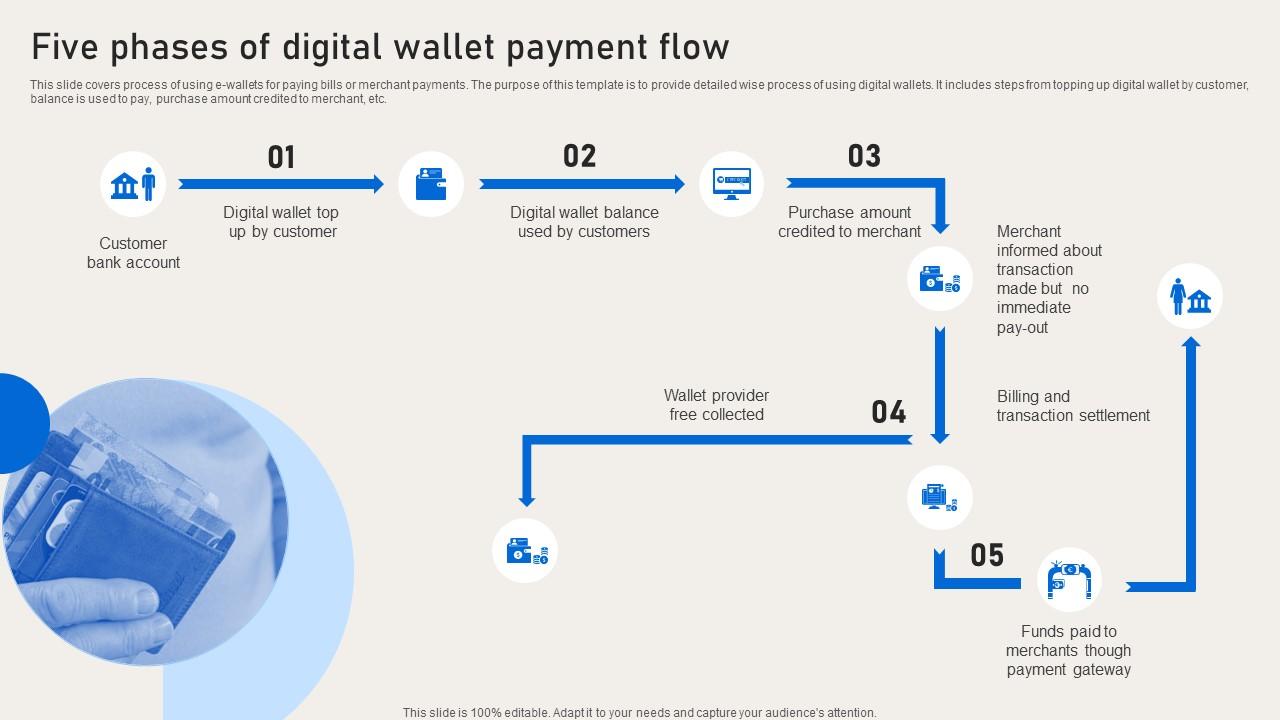
Digital wallets utilize wireless technologies such as Near Field Communication (NFC), QR codes, and Magnetic Secure Transmission (MST) to facilitate secure payments. When a user initiates a transaction, their device communicates with the point-of-sale terminal, transmitting encrypted data to complete the payment. This process ensures that sensitive financial information remains protected from potential fraud.
For instance, Apple Pay and Google Pay use NFC technology, allowing users to tap their devices on compatible terminals to make payments. Similarly, QR code-based systems enable users to scan codes with their smartphones to initiate transactions, adding another layer of convenience.
Types of Digital Wallets

There are several types of digital wallets available, each offering unique features tailored to different needs:
- Mobile Wallets: These are apps like Apple Pay, Google Pay, and Samsung Pay, which allow users to store and use their payment information on their smartphones.
- Online Wallets: Platforms such as PayPal and Venmo enable users to send and receive money through their computers or mobile devices.
- Closed Wallets: These are limited to specific retailers, such as Walmart Pay, which can only be used within the associated store.
- Crypto Wallets: Designed for cryptocurrency transactions, these wallets store private keys and allow users to buy, sell, and transfer digital assets.
Each type of wallet caters to different consumer preferences, providing flexibility in how users choose to manage their financial transactions.
Security Features of Digital Wallets
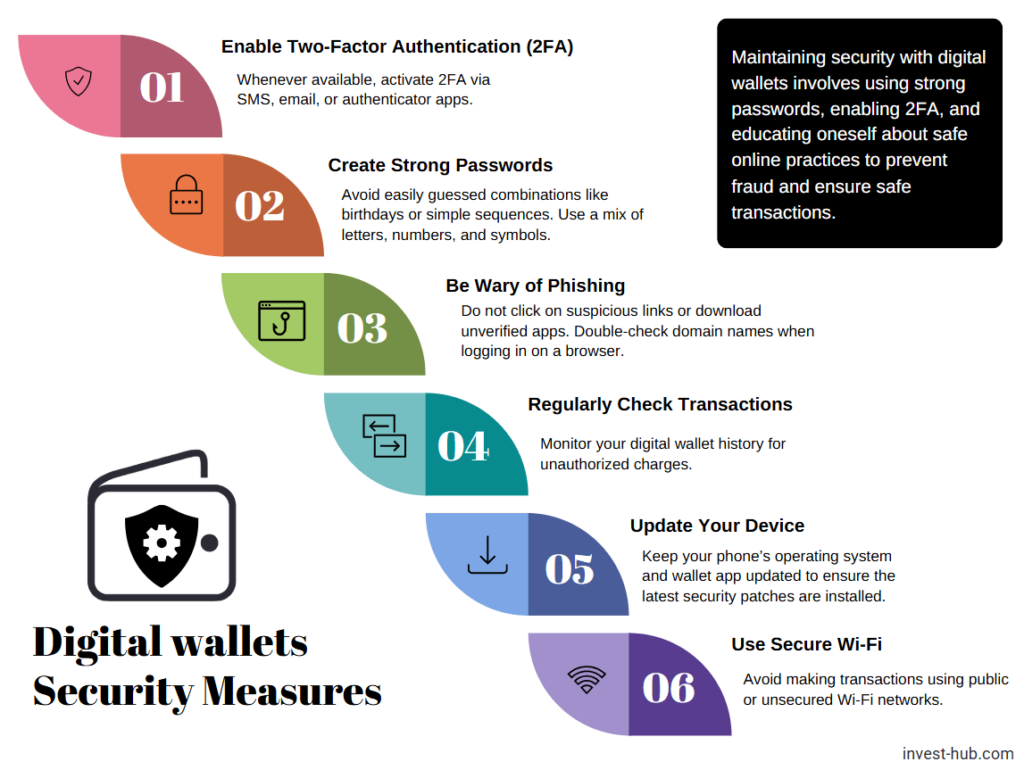
One of the primary concerns for users is the security of their financial information. Digital wallets employ advanced security measures, including encryption and tokenization, to protect user data. When a user adds their card information to a digital wallet, it is converted into a unique code that cannot be easily deciphered by unauthorized parties.
Additionally, many digital wallets require biometric authentication, such as fingerprint or facial recognition, to access the app. This added layer of security ensures that even if a device is lost or stolen, the user’s financial information remains safeguarded.
Advantages and Disadvantages of Digital Wallets

While digital wallets offer numerous benefits, they also come with certain limitations:
Advantages:
– Convenience: Users can carry all their payment methods in one place, eliminating the need for multiple physical cards.
– Security: Advanced encryption and tokenization protect sensitive financial data from theft and fraud.
– Accessibility: Digital wallets provide greater access to financial services, particularly for those in underserved areas.
Disadvantages:
– Limited Acceptance: Not all merchants accept digital wallets, especially smaller businesses or those in less developed regions.
– Dependence on Technology: If a user’s device runs out of battery or loses connectivity, they may not be able to complete transactions.
– Risk of Theft: If a device is stolen and lacks proper security measures, users could face financial loss.
The Future of Digital Wallets in the UK
As the UK continues to embrace digital innovation, the future of digital wallets looks promising. With increasing adoption and technological advancements, digital wallets are expected to become even more integrated into everyday life. Major players like Apple, Google, and local providers are continuously enhancing their offerings to meet consumer demands.
Moreover, initiatives such as the European Payments Initiative aim to create a unified digital wallet solution across Europe, further boosting the potential for cross-border transactions. In the UK, this trend aligns with the growing preference for contactless and digital payment methods, driven by consumer demand for convenience and security.
In conclusion, digital wallets are revolutionizing the way people manage their finances in the United Kingdom. Their convenience, security, and versatility make them an attractive option for both consumers and businesses. As technology continues to evolve, the role of digital wallets will only become more significant, paving the way for a more seamless and secure financial ecosystem.