Understanding Insurance Premiums: What You Need to Know
Insurance premiums are a fundamental aspect of the insurance industry, serving as the cost paid by individuals or businesses to maintain coverage under an insurance policy. These payments provide protection against various risks and potential losses, ranging from health issues to property damage. Understanding how insurance premiums work is essential for making informed decisions about your coverage and potentially saving money.
What Is an Insurance Premium?
An insurance premium is the amount of money you pay for an insurance policy. It can be referred to as the price, rate, or cost of the coverage. The premium is typically paid monthly, annually, or quarterly, depending on the policy you choose. This payment keeps your insurance coverage active and ensures that you are protected in case of a covered incident.
For example, if you pay $400 a month for health insurance coverage, $400 is your monthly premium, and $400 x 12 = $4800 is your annual premium. Insurance premiums can vary widely, from tens of dollars each month to over a thousand dollars, depending on the type of coverage, deductible, and other factors.
How Insurance Premiums Work
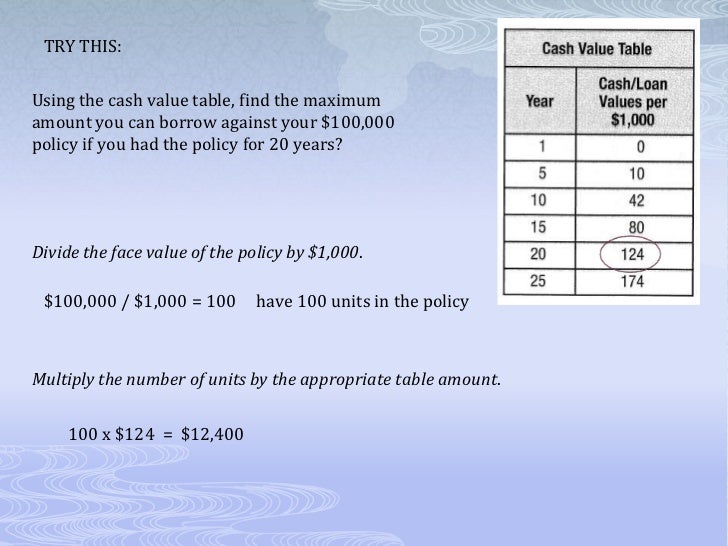
Insurance premiums may be paid monthly, semiannually, or annually based on the policy you select. The calculation of premiums involves a large number of factors, including the type of coverage, your age, location, claims history, and risk level. Insurers use these factors to determine the cost of the coverage, with higher risk leading to higher premiums.
Actuaries play a crucial role in this process. They use mathematical, statistical, and financial expertise to assess risks, create models, and quantify the risks associated with different policies. This results in a mathematical model used to determine insurance premiums.
Common Types of Insurance Premiums
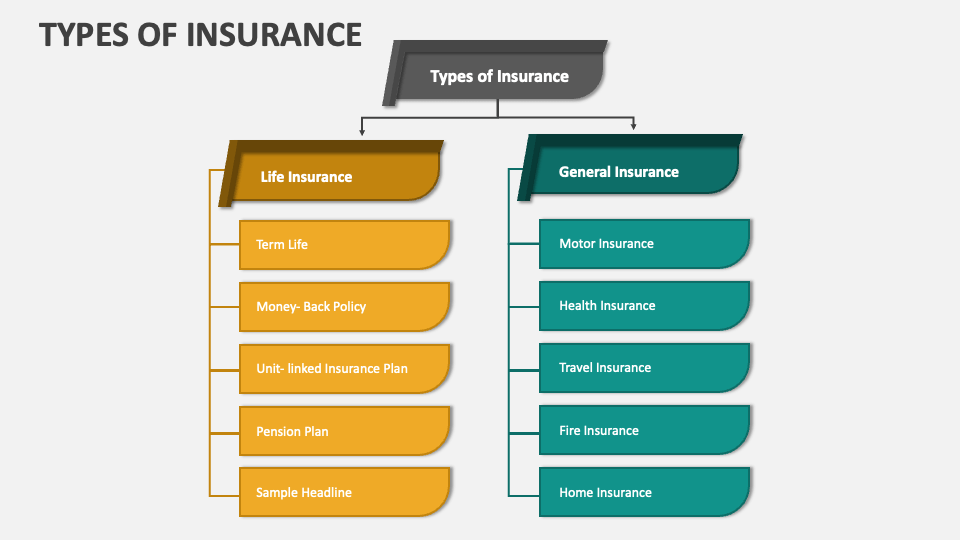
There are several common types of insurance premiums, each tailored to specific needs:
Auto Insurance Premium
The auto insurance premium is the amount you pay for car insurance coverage. It varies based on factors such as your age, driving history, claims history, and the model of the vehicle you drive.
Homeowners Insurance Premium
If you own property, you may want to purchase homeowners’ insurance. You can choose to pay for it monthly or yearly, and the premium may be required annually if you have a lender who requires an escrow account.
Renters Insurance Premium
If you’re renting a property, renters insurance is necessary. It covers expenses for theft, bodily injuries, and other perils. Compared to other insurance coverage types, your renter’s insurance will likely have a much lower premium.
Life Insurance Premium
The life insurance premium greatly depends on your age when you purchase it. Risk factors such as current health conditions also influence the premium. The earlier you start paying for life insurance, the more affordable the premium will be.
How Are Insurance Premiums Calculated?

Insurance premiums are calculated using a variety of factors. These include:
- Your desired coverage type: The more coverage you need, the higher your premium.
- Coverage limit: Higher limits mean higher premiums.
- Your age: Age significantly influences premiums, especially for auto and life insurance.
- Your location: Living in areas with high crime rates or natural disaster risks can increase premiums.
- Your claims history: A history of frequent claims can lead to higher premiums.
How Do I Lower My Insurance Premium?

Lowering your insurance premium is possible through several strategies:
The Deductible
Choosing a higher deductible can lower your premium, but it means you’ll pay more out of pocket for claims.
Your Coverage Needs
Reviewing your coverage to ensure it meets your actual needs can help reduce costs. Sometimes, policies include coverage for perils you don’t expect to need.
Insurance Discounts
Many insurers offer discounts, such as safe driver, low mileage, veteran, multi-policy, student, and loyalty discounts. Asking about these can significantly reduce your premium.
Why Do Insurance Companies Have Different Premiums?

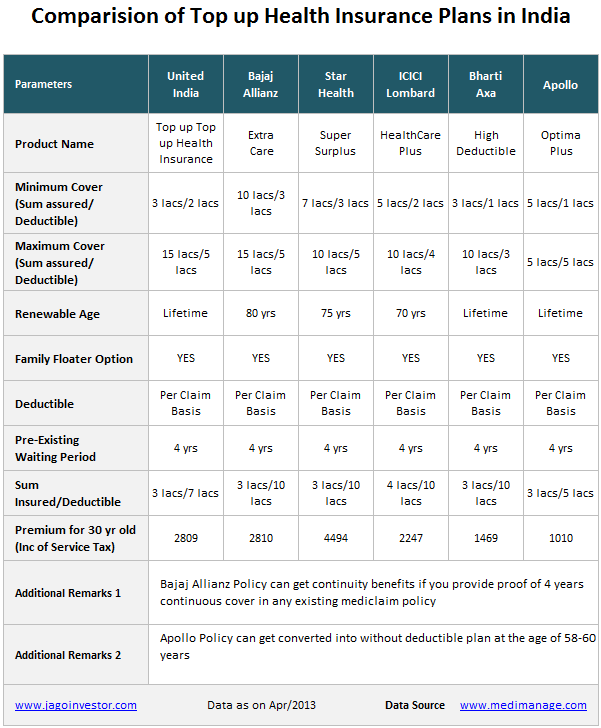
Insurance companies set their premiums based on their internal strategies, risk assessments, and market conditions. Each company uses different formulas and factors to determine pricing, which can lead to significant variations in quotes even for similar coverage.
Insurance Premium FAQs

How do I get the lowest insurance premium?
Companies often offer lower-grade coverage for those looking to reduce premiums. However, asking your insurer about discounts or adjusting your coverage can also help.
What happens if you don’t pay your premium?
Failure to pay your premium can result in coverage cancellation. Most insurers provide a grace period for missed payments.
Do I have to pay my premium if I don’t file any claims?
Yes, you must continue paying your premium to keep your coverage active, even if you don’t file claims.
Conclusion

Understanding insurance premiums is crucial for managing personal and business risks. Premiums are determined by various factors, including the type of coverage, the policyholder’s age and location, and past claims history. Shopping around can lead to more affordable premiums, and different payment options may cater to the policyholder’s financial situation. Overall, knowing how premiums work and being proactive about comparing options empowers consumers to make informed insurance choices.