
The Ultimate Guide to Building a Winning Investment Strategy
Investing is one of the most powerful tools for achieving financial freedom and long-term security. Whether you’re planning for retirement, building wealth for your family, or seeking passive income, a well-structured investment strategy is essential. However, many Americans still struggle with understanding how to invest effectively. According to Gallup, only 58% of Americans have money invested in stocks, and while real estate ownership is more common, it’s still not universal. This guide will walk you through the key steps to build a winning investment strategy tailored to your goals, risk tolerance, and financial situation.
Step 1: Set Realistic Investment Goals
Before diving into investments, it’s crucial to define what you want to achieve. Ask yourself:
- Where do you see yourself in 10, 20, or 30 years?
- When do you plan to start withdrawing from your investments?
- How much do you realistically want to earn?
- What are your overall life goals?
Using the SMART goal framework (Specific, Measurable, Achievable, Relevant, Time-bound) can help you create clear objectives. For example, instead of saying, “I want to retire comfortably,” refine it to something like, “I want to save $750,000 by the time I retire at age 67.”
Step 2: Assess Your Current Financial Situation
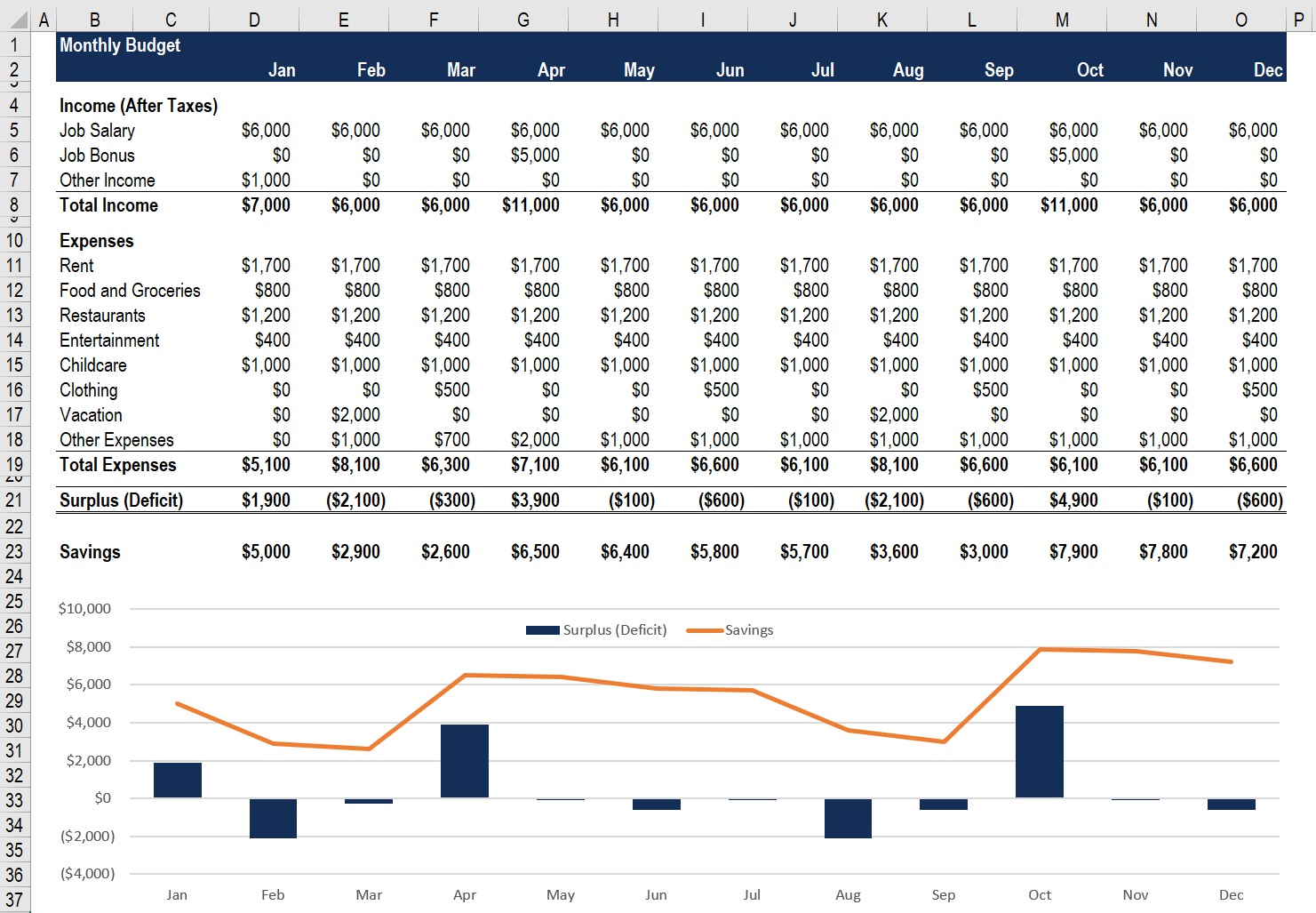
To build an effective investment strategy, you need to understand where you stand financially. Start by creating a monthly budget to track your income and expenses. Here’s how to do it:
- List all sources of income.
- Track recurring expenses (rent, utilities, groceries, etc.).
- Calculate your disposable income after covering essentials and setting aside an emergency fund.
This process helps you determine how much you can realistically invest each month. Even small contributions can grow significantly over time due to compound interest.
Step 3: Determine Your Risk Tolerance

Your risk tolerance plays a significant role in shaping your investment strategy. Consider the following categories:
- Conservative: Prefer low-risk options like CDs, bonds, or high-yield savings accounts.
- Moderate: Willing to take on some risk for moderate growth, often investing in a mix of stocks and bonds.
- Aggressive: Open to higher-risk investments like individual stocks or ETFs for potentially higher returns.
Your time horizon also matters. If you’re investing for retirement decades away, you may be able to afford more risk. Conversely, if you’re nearing retirement, a more conservative approach might be better.
Step 4: Start Saving and Investing

Saving and investing are different but complementary. While saving ensures your money is safe, investing allows it to grow. To begin:
- Cut unnecessary expenses to free up more money.
- Automate savings and investments to stay consistent.
- Even small amounts can make a difference over time.
For example, investing $500 annually at a 10% return could grow to nearly $90,000 in 30 years. Fractional investing platforms like Robinhood or Acorns make it easy to start with small sums.
Step 5: Choose the Right Investments
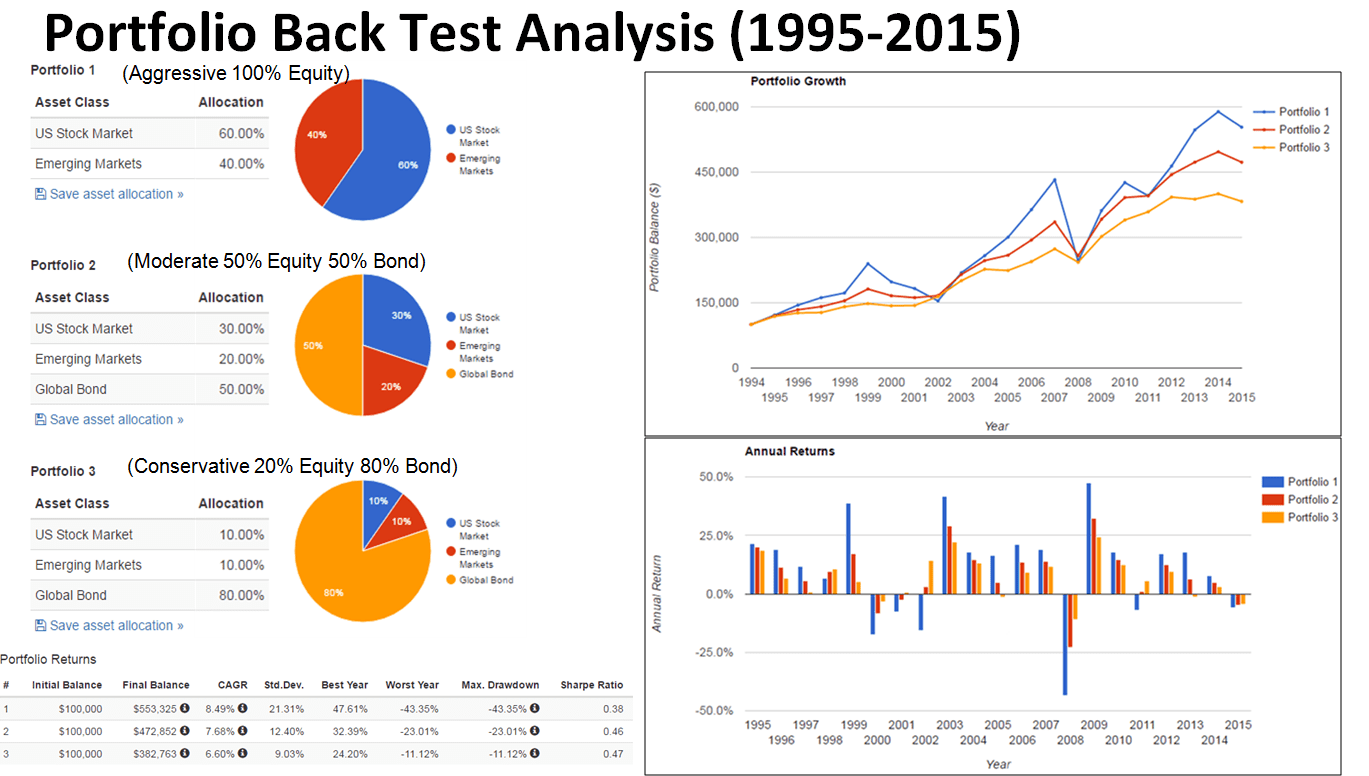
Once you’ve defined your goals and risk tolerance, it’s time to select the right investment vehicles. Some popular options include:
- Stocks: Buy shares in individual companies or index funds.
- Bonds: Lend money to governments or corporations for fixed returns.
- ETFs and Mutual Funds: Professionally managed portfolios that diversify your risk.
- Real Estate: Invest in properties or REITs for long-term appreciation.
- Retirement Accounts: Use 401(k)s or IRAs for tax-advantaged growth.
Consult a financial advisor to tailor your portfolio based on your unique needs and preferences.
Step 6: Review and Adjust Your Plan

Investing isn’t a one-time task—it requires regular reviews and adjustments. Every few months, assess your portfolio to:
- Rebalance assets to maintain your desired risk level.
- Evaluate performance against your goals.
- Make necessary changes to stay on track.
Remember, market conditions change, and so should your strategy. Always seek professional advice before making major adjustments.
Step 7: Continue Learning and Educate Yourself

The world of investing is constantly evolving, so staying informed is key. Consider:
- Reading books like The Intelligent Investor by Benjamin Graham.
- Listening to podcasts such as InvestED or The Investor’s Podcast.
- Following reputable blogs and YouTube channels focused on personal finance.
Avoid common pitfalls like panic selling during market dips or chasing trends without understanding the underlying fundamentals.
Conclusion

Building a winning investment strategy is a journey that requires clarity, discipline, and continuous learning. By setting realistic goals, assessing your financial situation, determining your risk tolerance, and choosing the right investments, you can create a path to long-term financial success. Remember, even small steps today can lead to significant rewards tomorrow. Start now, and take control of your financial future.