
The Ultimate Guide to Understanding Personal Finance
Personal finance is the cornerstone of financial stability and long-term success. Whether you’re just starting out or looking to refine your financial habits, understanding personal finance can empower you to make informed decisions that align with your goals. This guide covers essential concepts, strategies, and tips to help you take control of your money.
1. Setting Financial Goals
The first step in any financial plan is setting clear, achievable goals. These goals can be short-term (like saving for a vacation), medium-term (such as buying a car), or long-term (like retiring comfortably).
- Short-term goals: Aim for 1–3 years. Examples include building an emergency fund or paying off credit card debt.
- Medium-term goals: Target 3–5 years. Examples might be saving for a down payment on a home or funding a major purchase.
- Long-term goals: Focus on 5+ years. Retirement planning, education funds, or wealth accumulation are typical long-term objectives.
Setting goals helps you prioritize your spending and ensures that your financial actions are purposeful.
2. Budgeting: The Foundation of Financial Health
A budget is a powerful tool that helps you track income, expenses, and savings. It allows you to see where your money is going and identify areas where you can cut back.
- The 50/30/20 Rule: A popular budgeting method where 50% of your income goes to needs (rent, utilities, groceries), 30% to wants (entertainment, dining out), and 20% to savings or debt repayment.
- Track Your Spending: Use apps like Mint or YNAB (You Need A Budget) to monitor your expenses and stay on track.
- Adjust as Needed: Life changes, so your budget should too. Revisit it regularly to ensure it reflects your current situation.
3. Managing Debt
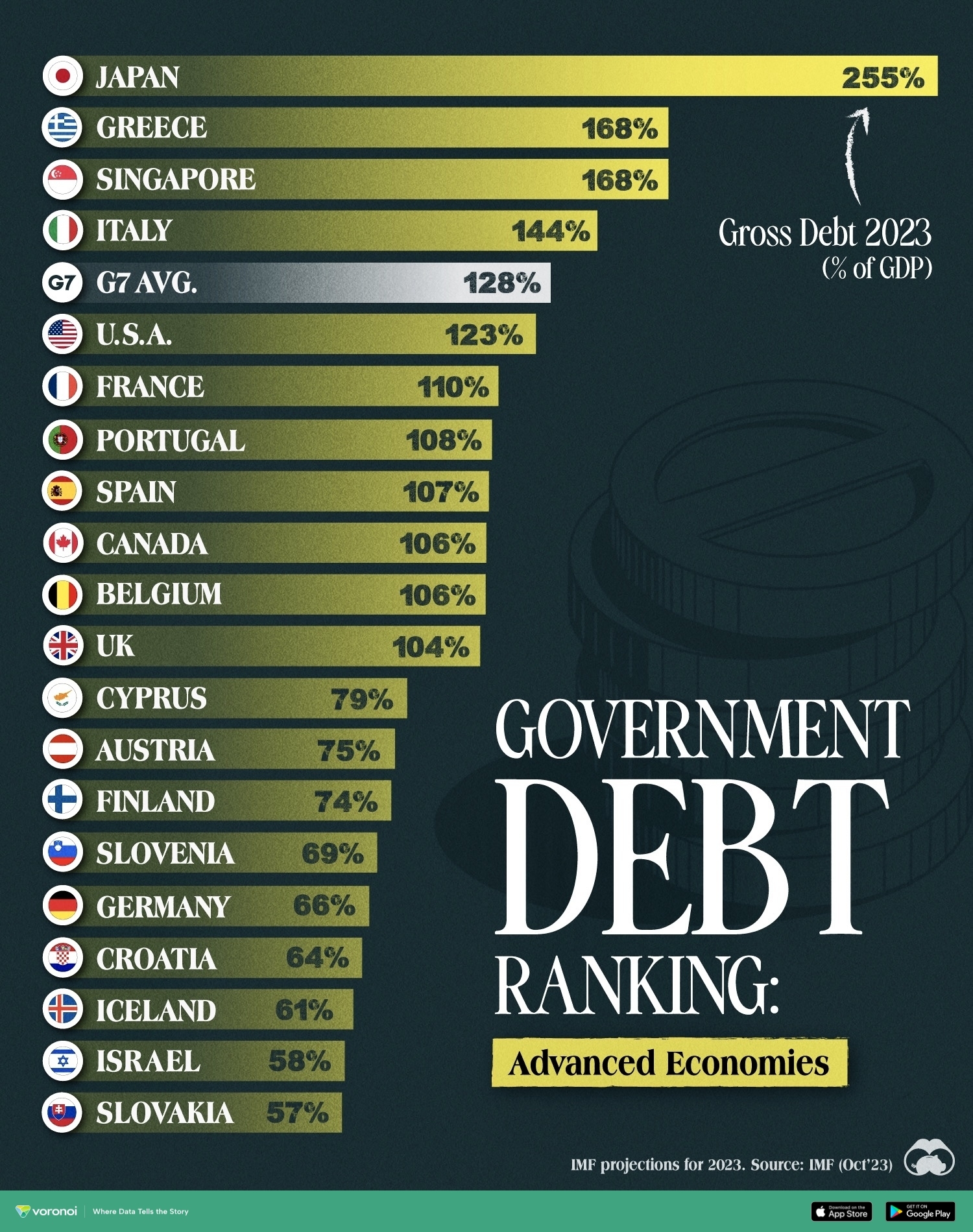
Debt can be both a tool and a burden. Understanding the difference between “good” and “bad” debt is crucial.
- Good Debt: Loans that build wealth, such as mortgages or student loans. These often have lower interest rates and can lead to long-term financial growth.
- Bad Debt: High-interest debt like credit card balances. These can accumulate quickly and hinder your financial progress.
Prioritize paying off high-interest debt first. Consider debt consolidation or refinancing to reduce interest costs.
4. Building an Emergency Fund

An emergency fund acts as a financial safety net for unexpected expenses, such as medical bills or job loss. Aim to save at least 3–6 months’ worth of living expenses.
- Start Small: Even $500 can provide a buffer for minor emergencies.
- Automate Savings: Set up automatic transfers to your emergency fund each month.
- Keep It Accessible: Store your emergency fund in a high-yield savings account for easy access and modest returns.
5. Investing for the Future

Investing is a key component of long-term financial growth. It allows your money to work for you over time.
- Retirement Accounts: Contribute to employer-sponsored plans like 401(k)s or individual retirement accounts (IRAs). These offer tax advantages and compound growth.
- Diversify Your Portfolio: Spread your investments across different asset classes (stocks, bonds, real estate) to reduce risk.
- Start Early: The power of compounding means the earlier you start investing, the more you can grow your wealth.
6. Understanding Credit

Your credit score impacts many aspects of your financial life, including loan approvals and interest rates. Here’s how to build and maintain good credit:
- Pay Bills on Time: Late payments can hurt your credit score. Set up reminders or automatic payments.
- Keep Credit Utilization Low: Aim to use less than 30% of your available credit.
- Monitor Your Credit Report: Check your credit report annually for errors or fraudulent activity.
7. Insurance and Risk Management

Insurance provides protection against unforeseen events. It’s important to have coverage that matches your needs.
- Health Insurance: Protects you from high medical costs.
- Home/Renters Insurance: Covers damage to your property.
- Life Insurance: Provides financial support to your family in case of your passing.
Review your insurance policies regularly to ensure they meet your current needs.
8. Estate Planning

Estate planning ensures your assets are distributed according to your wishes after your passing. Key components include:
- Will: A legal document outlining how your assets will be distributed.
- Trusts: Provide more control over how and when your assets are distributed.
- Power of Attorney: Grants someone the authority to make decisions on your behalf if you become incapacitated.
9. Continuous Learning and Adjustment

Financial planning is not a one-time task. It requires ongoing learning and adjustment as your life and goals evolve.
- Stay Informed: Follow reputable financial news sources and blogs.
- Consult Professionals: A certified financial planner (CFP) can offer personalized advice and guidance.
- Review Regularly: Reassess your financial plan annually or after major life changes.
Conclusion
Understanding personal finance is a journey that requires discipline, knowledge, and adaptability. By setting clear goals, managing debt, building an emergency fund, investing wisely, and protecting yourself with insurance, you can achieve financial stability and security. Remember, small steps today can lead to significant rewards tomorrow. Start now, and take control of your financial future.