
How to Protect Yourself from Credit Fraud: Essential Tips and Strategies
Credit fraud is a growing concern for Americans, with over 17 million people falling victim to identity theft in a single year. As criminals become more sophisticated, it’s crucial to understand how to protect yourself from credit fraud. This article provides essential tips and strategies to help you safeguard your financial information and maintain a healthy credit profile.
Understanding Credit Fraud
Credit fraud occurs when someone uses your personal information to open new accounts, make unauthorized purchases, or commit other forms of financial deception. Common types of credit fraud include:
- New Account Fraud: Thieves use your personal information to open new credit accounts in your name.
- Tax Return Fraud: Criminals file your tax return before you do, claiming your refund.
- Medical ID Fraud: Your health insurance information is used to obtain medical services or bill providers fraudulently.
These forms of fraud can severely damage your credit score and lead to significant financial losses.
Key Strategies to Prevent Credit Fraud

1. Monitor Your Credit Reports Regularly
Regularly checking your credit reports is one of the most effective ways to detect fraudulent activity early. You are entitled to a free credit report from each of the three major credit bureaus (Equifax, Experian, and TransUnion) once every 12 months. Spacing these out at four-month intervals allows for continuous monitoring.
- Check for Unauthorized Accounts: Look for any accounts you didn’t open.
- Review Transactions: Ensure all transactions listed on your report are legitimate.
- Dispute Errors: If you find inaccuracies, dispute them directly with the credit bureau.
2. Use Credit Monitoring Services
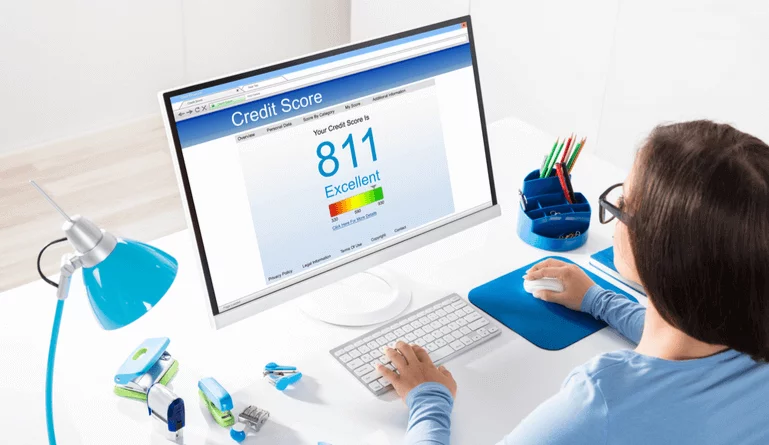
Credit monitoring services provide real-time alerts about changes to your credit report, helping you catch potential fraud quickly. Some top options include:
- Credit Karma: Offers free credit monitoring and insights into your credit score.
- Experian: Provides free access to your credit report and score.
- IdentityForce: Offers comprehensive identity theft protection, including dark web monitoring.
These services can be especially useful if you’re concerned about identity theft or have experienced previous fraud.
3. Secure Your Personal Information
Protecting your personal information is a critical step in preventing credit fraud. Here are some key actions to take:
- Memorize Your Social Security Number (SSN): Never carry your SSN card with you.
- Use Strong Passwords: Create complex passwords that include letters, numbers, and symbols.
- Shred Sensitive Documents: Dispose of old financial documents securely to prevent dumpster diving.
- Limit Carried Items: Carry only the necessary credit cards and personal items to reduce risk.
4. Be Wary of Phishing and Smishing Scams

Phishing and smishing scams involve fraudulent emails or text messages designed to trick you into revealing sensitive information. To protect yourself:
- Avoid Clicking Links: Don’t click on links in suspicious emails or texts.
- Verify Sources: Contact the sender directly through official channels to confirm the legitimacy of the message.
- Look for Red Flags: Be cautious of generic messages, spelling errors, and unusual email addresses.
5. Use Secure Online Practices
When using online services, ensure you’re taking steps to protect your data:
- Avoid Public Wi-Fi: Never enter sensitive information while connected to public networks.
- Check Website Security: Only visit websites with URLs starting with “https” to ensure encrypted connections.
- Enable Two-Factor Authentication: Add an extra layer of security to your online accounts.
Additional Measures for Enhanced Protection

6. Freeze Your Credit
A credit freeze prevents creditors from accessing your credit report, making it harder for thieves to open new accounts in your name. You can place a freeze with each of the three major credit bureaus.
- Freeze for Free: Placing a credit freeze is typically free of charge.
- Unfreeze When Needed: You can temporarily lift the freeze when applying for new credit.
7. Consider Identity Theft Protection Services

If you’re particularly concerned about identity theft, consider investing in a comprehensive identity theft protection service. These services often include:
- Real-Time Alerts: Notify you of suspicious activity on your credit report.
- Dark Web Monitoring: Track your personal information on the dark web.
- Identity Theft Recovery Assistance: Help you resolve issues if you become a victim.
8. Educate Yourself on Fraud Trends
Stay informed about the latest fraud trends and tactics used by criminals. Resources like the Federal Trade Commission (FTC) and consumer protection agencies offer valuable information on how to recognize and respond to fraud.
Conclusion
Protecting yourself from credit fraud requires a combination of vigilance, education, and proactive measures. By regularly monitoring your credit reports, securing your personal information, and utilizing credit monitoring services, you can significantly reduce your risk of becoming a victim. Remember, staying informed and taking preventive steps are your best defenses against credit fraud.