
Understanding Corporate Finance: Key Concepts and Strategies for Business Success
Corporate finance is the lifeblood of any business, driving decisions that shape its financial health, growth, and long-term sustainability. It involves managing a company’s financial resources to maximize shareholder value while balancing risk and profitability. Whether you’re an entrepreneur, investor, or corporate leader, understanding corporate finance is essential for navigating the complex world of business.
This article explores the fundamental concepts of corporate finance, the strategies used to optimize financial performance, and how businesses can leverage these principles for success.
What Is Corporate Finance?
At its core, corporate finance refers to the management of a company’s financial resources. It encompasses three primary areas:
- Capital Budgeting: Evaluating potential investments and projects to determine which ones will generate the highest returns.
- Capital Structure: Deciding how to fund the company—through debt, equity, or a mix of both.
- Working Capital Management: Managing short-term assets and liabilities to ensure liquidity and operational efficiency.
These elements work together to help companies make informed financial decisions that align with their strategic goals.
The Importance of Strategic Financial Planning

Strategic financial planning is the foundation of successful corporate finance. It involves forecasting future financial needs, setting budgets, and identifying ways to allocate resources effectively. This process ensures that a company has the necessary funds to support growth, manage risks, and maintain stability.
Some key components of strategic financial planning include:
- Financial Forecasting: Estimating future revenues, expenses, and cash flows.
- Budgeting: Allocating funds to various departments and projects.
- Risk Assessment: Identifying potential financial risks and developing mitigation strategies.
By integrating financial planning into their overall business strategy, companies can better navigate economic uncertainties and seize opportunities for growth.
Capital Investment and Project Evaluation

One of the most critical aspects of corporate finance is evaluating capital investments. Companies must assess whether a project or investment will add value to the business and contribute to long-term profitability.
Common metrics used in project evaluation include:
- Net Present Value (NPV): Calculates the present value of future cash flows minus the initial investment.
- Internal Rate of Return (IRR): Determines the rate at which the net present value of a project equals zero.
- Payback Period: Measures how quickly a project will recoup its initial cost.
These tools help businesses prioritize projects that offer the best return on investment while minimizing financial risk.
Optimizing Capital Structure

The capital structure of a company refers to the mix of debt and equity used to finance its operations. Finding the right balance between debt and equity is crucial for maintaining financial stability and maximizing shareholder value.
Key considerations in optimizing capital structure include:
- Cost of Debt vs. Cost of Equity: Debt typically has a lower cost than equity but increases financial risk.
- Tax Benefits of Debt: Interest payments on debt are tax-deductible, making it a cost-effective financing option.
- Financial Flexibility: A well-structured capital base allows a company to adapt to changing market conditions.
Companies often use models like the Weighted Average Cost of Capital (WACC) to determine the optimal mix of financing sources.
Working Capital Management
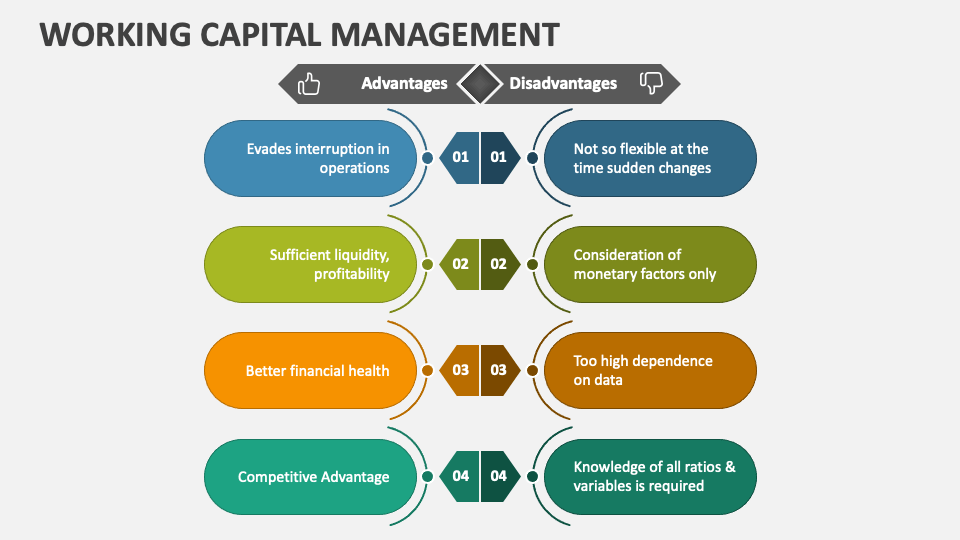
Effective working capital management ensures that a company has enough liquidity to meet its short-term obligations while maximizing efficiency. This involves managing current assets (like cash, inventory, and accounts receivable) and current liabilities (such as accounts payable and short-term debt).
Best practices in working capital management include:
- Cash Flow Forecasting: Predicting future cash inflows and outflows to avoid liquidity crises.
- Inventory Management: Balancing inventory levels to meet demand without overstocking.
- Accounts Receivable and Payable: Implementing efficient credit policies and payment terms.
By maintaining strong working capital, companies can improve operational efficiency and reduce financial stress.
Risk Management in Corporate Finance

Every financial decision carries some level of risk. Effective risk management is essential for protecting a company’s assets and ensuring long-term success. Common financial risks include:
- Market Risk: Fluctuations in interest rates, exchange rates, and commodity prices.
- Credit Risk: The possibility that a borrower may default on a loan.
- Operational Risk: Risks arising from internal processes, systems, or human errors.
To mitigate these risks, companies use various strategies such as hedging, diversification, and insurance. Additionally, regulatory compliance and internal controls play a vital role in managing financial risks.
The Role of Corporate Finance in Business Growth

Corporate finance is not just about managing money—it’s about driving growth and creating value. By making informed financial decisions, companies can:
- Expand operations and enter new markets.
- Invest in innovation and technology.
- Strengthen their competitive position.
Moreover, sound financial practices enhance a company’s reputation, attract investors, and improve access to capital. In today’s fast-paced business environment, having a solid grasp of corporate finance is more important than ever.
Conclusion

Understanding corporate finance is essential for any business aiming to thrive in a competitive market. From strategic planning and capital investment to risk management and working capital optimization, the principles of corporate finance guide every financial decision. By mastering these concepts, businesses can unlock new opportunities, drive sustainable growth, and achieve long-term success.
Whether you’re starting a new venture or looking to refine your financial strategies, investing time in learning corporate finance can yield significant returns. With the right knowledge and tools, companies can navigate the complexities of the financial landscape and build a stronger, more resilient future.