Understanding Blockchain Finance: The Future of Digital Money
Blockchain finance is revolutionizing the way we think about money, transactions, and financial systems. As the world moves towards a more digital and interconnected economy, blockchain technology is emerging as a powerful tool to address many of the inefficiencies and vulnerabilities in traditional finance. This article explores the fundamentals of blockchain finance, its potential benefits, challenges, and future possibilities.
What is Blockchain Finance?
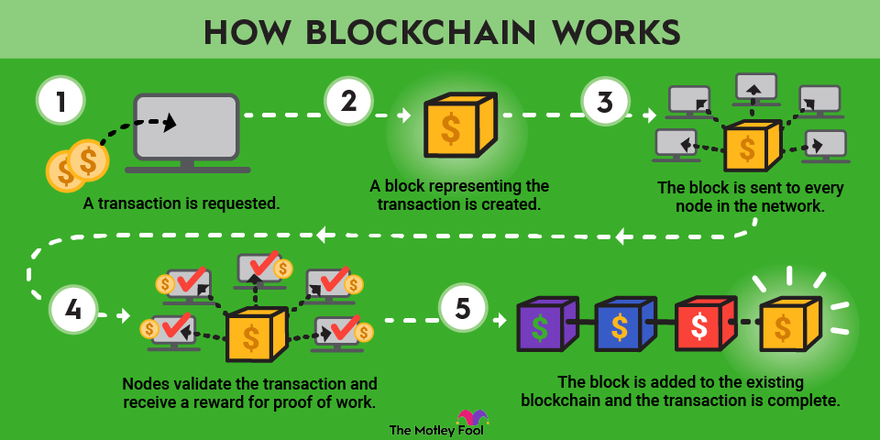
Blockchain finance refers to the use of blockchain technology in financial services. At its core, blockchain is a decentralized, distributed ledger system that records transactions across a network of computers. Unlike traditional financial systems, which rely on centralized institutions like banks, blockchain operates on a peer-to-peer basis, offering transparency, security, and efficiency.
One of the key features of blockchain is its immutability. Once a transaction is recorded on the blockchain, it cannot be altered or deleted, ensuring a permanent and tamper-proof record of all activities. This characteristic makes blockchain particularly appealing for financial applications where trust and accountability are crucial.
The Role of Blockchain in Financial Systems

The collapse of Silicon Valley Bank (SVB) in 2023 highlighted the vulnerabilities of traditional banking systems. In response, experts have begun advocating for the adoption of blockchain and cryptocurrency to create a more transparent and secure financial ecosystem. Bitcoin, for instance, has been suggested as an ideal currency due to its decentralized nature, which reduces the risk of a single point of failure.
Blockchain technology offers several advantages over traditional financial systems:
- Increased Transparency: Blockchain’s immutable and transparent nature allows for a clear view of all transactions and balances, making it difficult for institutions to hide illicit activities or obscure financial positions.
- Decentralization: With no central authority controlling the blockchain system, the likelihood of a single point of failure is reduced, mitigating the impact of an individual institution’s collapse on the overall financial system.
- Real-Time Auditing: Blockchain enables real-time auditing, allowing regulators and stakeholders to identify potential issues early and take corrective actions.
- Smart Contracts: These self-executing contracts automate various financial processes and agreements, reducing the likelihood of human error and fraud.
- Enhanced Security: Blockchain’s cryptographic features make it less susceptible to cyber-attacks and fraud, ensuring secure and tamper-proof records.
- Improved Regulatory Compliance: Blockchain streamlines and automates reporting and compliance processes, making it easier for financial institutions to meet their obligations and regulators to monitor activities effectively.

Benefits of Blockchain in Financial Services
Blockchain technology can significantly improve customer experience and compliance in the financial industry. Increased transparency allows customers to better track their transactions and make informed decisions about their investments. Customers feel more secure knowing that their information is correct, up-to-date, and trustworthy.
Moreover, blockchain ensures that clients’ assets are better protected against cyber attacks or fraudulent activities. The encryption algorithms used in blockchain are resistant to brute force attacks, providing an additional layer of security. Automation through smart contracts also reduces the need for manual paperwork, making processes more efficient.
Additionally, customers may benefit from lower transaction fees due to the reduced need for third-party intermediaries. Tokenization of assets further enhances the liquidity of the blockchain, making it easier for investors to assess the true value of their investments.
Challenges of Blockchain in Financial Services

Despite its numerous benefits, blockchain technology also presents several challenges that need to be addressed for successful implementation:
- Scalability: One of the primary challenges is the limited ability to scale, as increasing numbers of transactions can lead to network congestion and slow processing times.
- Interoperability: The lack of standardization between different blockchain platforms can hinder seamless communication and data exchange.
- Regulatory and Legal Framework: The rapidly evolving blockchain landscape creates uncertainty in terms of regulations and legal frameworks.
- Privacy Concerns: Public blockchains are transparent by design, raising privacy concerns, especially in financial services where sensitive data is involved.
- Energy Consumption: Proof-of-work consensus mechanisms, used by some blockchain networks, consume significant amounts of energy, raising environmental concerns.
- Security Risks: While blockchain is secure, it is not immune to potential risks such as 51% attacks.
- Integration with Legacy Systems: Integrating blockchain solutions with existing legacy systems can be challenging.
- Adoption and Resistance to Change: Blockchain adoption may face resistance from stakeholders within the financial services industry.
- Talent and Expertise: There is a shortage of skilled professionals with expertise in blockchain technology.
Future Possibilities and Use Cases

The future of blockchain in finance is promising, with numerous use cases that could transform the industry:
- Smart Contracts to Automate Payments and Improve Efficiency: Smart contracts can securely automate payments, eliminating manual paperwork and reducing transaction costs.
- Tokenization to Redefine Asset Ownership: Blockchain-based tokenization allows users to securely store and transfer digital assets, such as stocks or real estate.
- Decentralized Exchanges to Facilitate Trading: Decentralized exchanges (DEXs) allow users to trade digital assets without the need for a centralized intermediary.
- Digital Identities for KYC Verification: Digital identity solutions on the blockchain can securely store and manage user data, improving customer onboarding processes.
- DeFi Tools for Risk Mitigation: DeFi tools such as decentralized exchanges and stablecoins can reduce exposure to market volatility.
- DLT to Improve Transparency and Traceability: DLT provides an immutable record of all transactions, eliminating the need for third-party intermediaries.
- Advanced Data Analytics Solutions: Connecting data sources through a secure blockchain infrastructure can enable AI-driven predictive analysis.
- Regulatory Compliance with Automated Rules-Based Systems: Embedding regulatory requirements into automated systems can ensure compliance while minimizing manual tasks.
- Security Tokens for Regulatory Compliance and Security: Issuing security tokens can ensure compliance while providing a secure way for investors to access opportunities.
- Blockchain Technology for Cross-Border Payments: Blockchain-based solutions can make cross-border payments faster, more secure, and cost-effective.
Conclusion
Blockchain technology is set to transform the financial industry by offering a secure, transparent, and efficient alternative to traditional systems. As major financial institutions and policymakers continue to embrace blockchain, the future of finance looks increasingly digital and decentralized. With ongoing advancements in technology and regulatory frameworks, blockchain has the potential to redefine how we exchange value, manage assets, and interact with financial systems. The journey towards a blockchain-powered financial future is just beginning, and the possibilities are endless.