Stay Updated with the Latest Financial News and Market Trends
In today’s fast-paced global economy, staying informed about financial news and market trends is more important than ever. Whether you’re an investor, a business owner, or simply someone interested in understanding how economic policies affect your daily life, keeping up with the latest developments can help you make better decisions. From shifting trade policies to evolving inflation rates, the financial landscape is constantly changing, and being aware of these changes can provide valuable insights.
Understanding the Impact of Recent Policy Changes
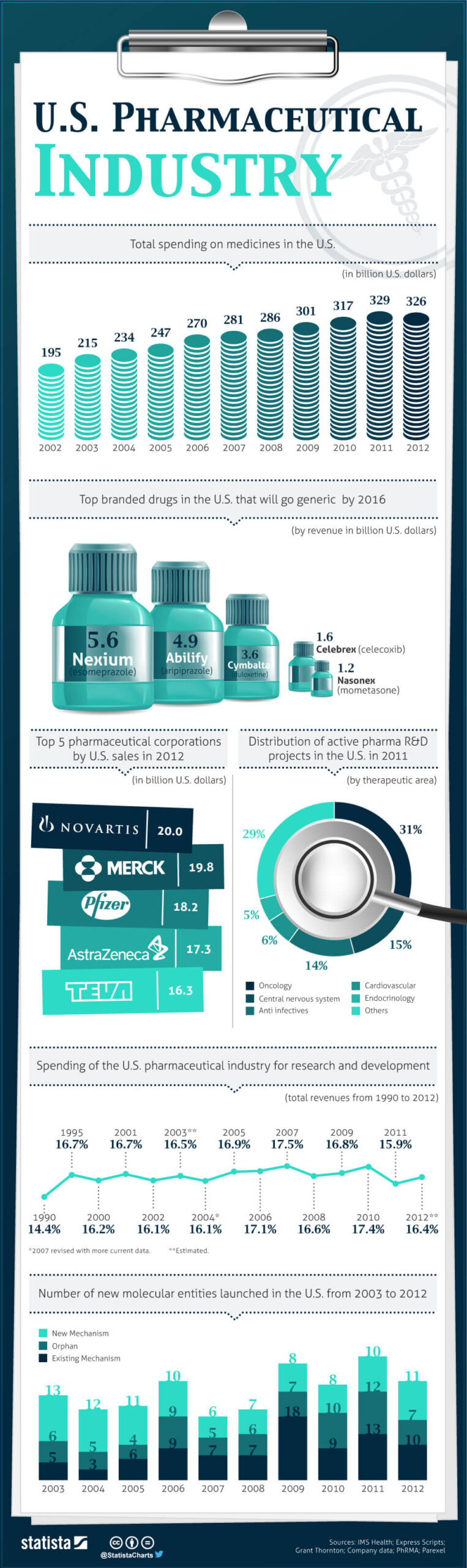
One of the most significant recent developments in the financial world is the announcement of new tariffs on pharmaceutical products and other goods. The U.S. president has proposed a 100% tariff on “any branded or patented Pharmaceutical Product” unless the company is building its manufacturing plant in America. This policy aims to encourage domestic production and reduce reliance on foreign imports. However, it raises several questions about how this will affect drug prices and availability for consumers.
This move could have wide-reaching implications, especially since the majority of imported pharmaceuticals are generic drugs from countries like India. Branded drugs, on the other hand, often come from Europe and may be affected by the new tariffs. European companies that already have manufacturing facilities in the U.S. might be exempt from these tariffs, but the exact scope of the exemption remains unclear. Companies are now engaging with the U.S. government to seek clarity on how this policy will be implemented.
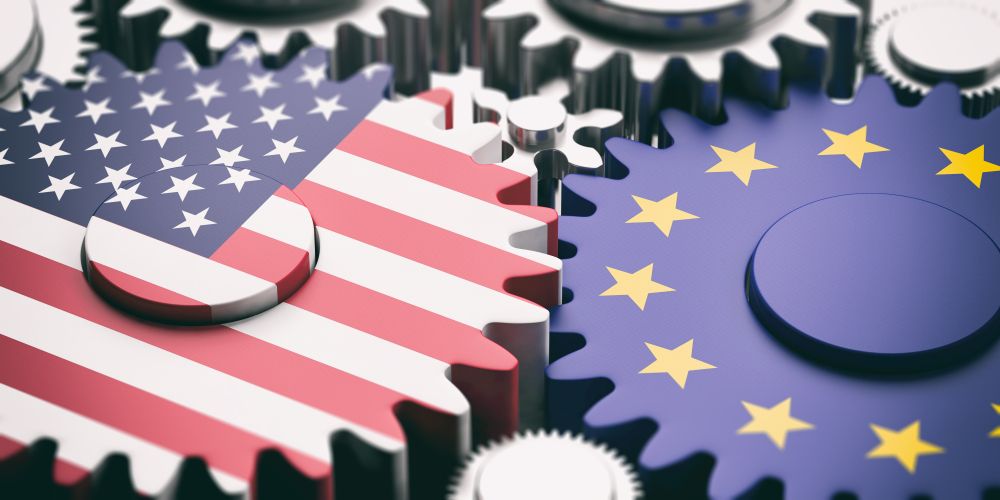
Additionally, there’s uncertainty around whether this new tariff will apply in addition to existing trade agreements. For example, the recent deal between the U.S. and the European Union (EU) imposes a 15% tariff on EU exports. It’s not yet clear if the new pharmaceutical tariffs will be added on top of this, which could lead to increased costs for both consumers and businesses.
Tariffs on Other Sectors and Their Economic Implications
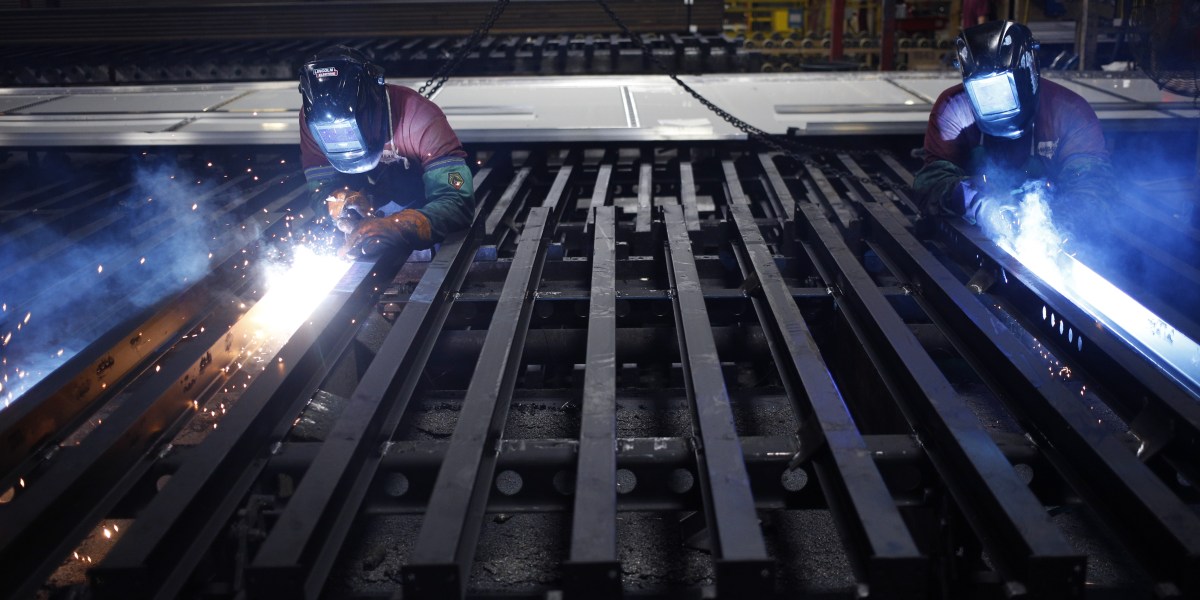
The president also announced new tariffs on furniture and heavy trucks, with a 25% tariff on heavy trucks aimed at protecting domestic manufacturers. Similarly, a 50% tariff on kitchen cabinets and bathroom vanities and a 30% tariff on upholstered furniture were introduced. These measures are expected to increase the effective average tariff rate in the U.S., potentially contributing to higher inflation, particularly for durable goods.
These tariffs reflect a broader trend of protectionist policies that aim to boost domestic industries. However, they also raise concerns about their impact on global trade and economic stability. As the U.S. continues to implement these measures, it will be crucial to monitor how they affect both domestic and international markets.

The Role of the World Economic Outlook (WEO)

The International Monetary Fund (IMF) regularly publishes the World Economic Outlook (WEO), which provides analysis and projections of the global economy. The latest WEO reports a slowdown in global growth, with risks remaining tilted to the downside. While some regions show signs of resilience, others face persistent challenges such as high inflation and geopolitical tensions.
For instance, the WEO Update from July 2025 highlights that global growth is projected at 3.0% for 2025 and 3.1% in 2026. This reflects improvements in some areas, but the overall outlook remains cautious. The IMF emphasizes the need for credible and sustainable policies to support long-term economic growth and stability.
Key Takeaways for Investors and Consumers

As the financial landscape continues to evolve, there are several key takeaways for investors and consumers:
- Monitor Trade Policies: New tariffs and trade agreements can significantly impact market conditions and consumer prices.
- Stay Informed on Inflation Trends: Inflation remains a critical factor affecting purchasing power and investment returns.
- Understand the Global Economic Outlook: Reports like the WEO offer valuable insights into future economic trends and potential risks.
- Evaluate Domestic Manufacturing Initiatives: Policies aimed at boosting local production may influence supply chains and product availability.
Conclusion
Staying updated with the latest financial news and market trends is essential for navigating the complexities of the modern economy. From new tariffs on pharmaceutical products to broader trade policies, these developments can have far-reaching effects on businesses and consumers alike. By staying informed and understanding the underlying factors driving these changes, individuals and organizations can make more informed decisions and better prepare for the future.