The Ultimate Guide to Crowdfunding: How to Raise Funds for Your Project or Business
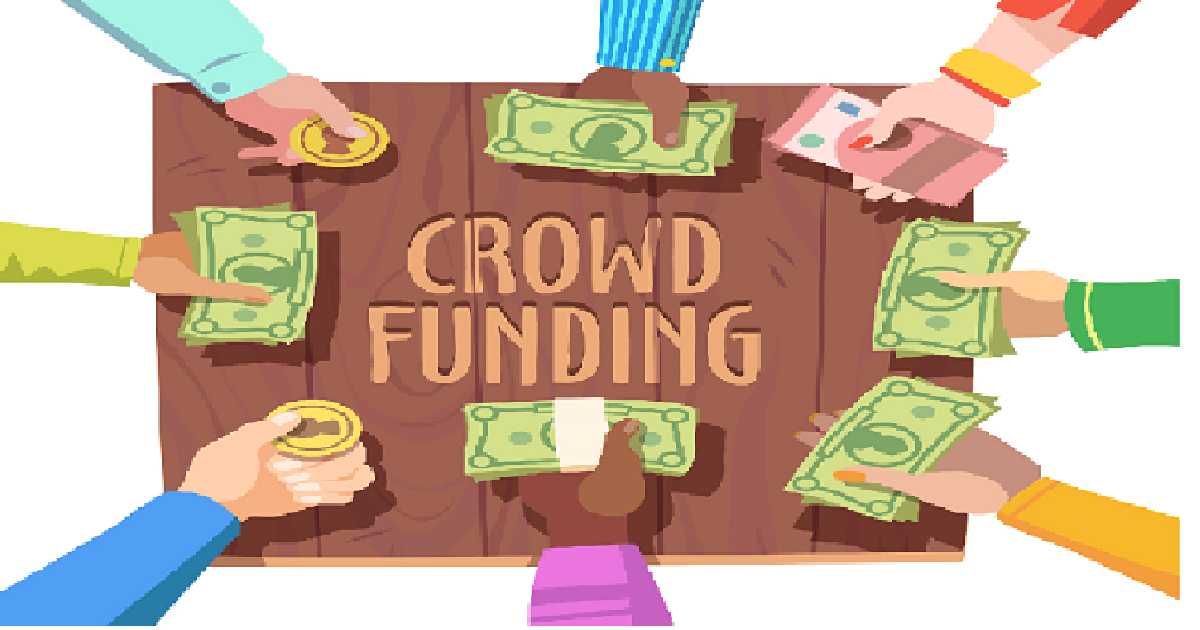
Crowdfunding has emerged as a powerful tool for entrepreneurs, artists, and innovators looking to bring their ideas to life. It allows individuals and organizations to raise capital from a large number of people, often through online platforms. This method not only provides financial support but also helps in validating ideas, building communities, and gaining exposure. In this guide, we will explore the ins and outs of crowdfunding, including how it works, the different types of crowdfunding, and the best platforms to use.
What is Crowdfunding?
Crowdfunding is a method of raising capital where numerous individuals contribute small amounts of money to support a business, project, or cause. Unlike traditional fundraising, which typically involves securing large investments from a limited number of sources, crowdfunding taps into a broader audience. This approach can be particularly effective for startups, creative projects, and nonprofit initiatives.
Key Benefits of Crowdfunding
- Access to Diverse Funding Sources: You can reach a global audience who may be interested in your project.
- Market Validation: If people are willing to invest in your idea, it’s a strong indicator of demand.
- Enhanced Visibility: Crowdfunding campaigns can generate significant buzz and attract media attention.
- Community Building: Engaging with backers can help you build a loyal community around your brand.
How Does Crowdfunding Work?
Crowdfunding works by allowing creators to present their project to a potential audience and offer incentives in exchange for support. These incentives can include early access to products, exclusive content, or even equity in the company. Here’s a breakdown of the process:
- Create a Campaign: Develop a compelling pitch that outlines your project, its goals, and the rewards offered.
- Choose a Platform: Select a crowdfunding platform that aligns with your project type and target audience.
- Launch Your Campaign: Promote your campaign through social media, email marketing, and other channels.
- Track Progress: Monitor your campaign’s performance and update backers on your progress.
- Fulfill Rewards: Once your campaign is successful, deliver the promised rewards to your backers.
Types of Crowdfunding
There are several types of crowdfunding, each with its own unique features and benefits:
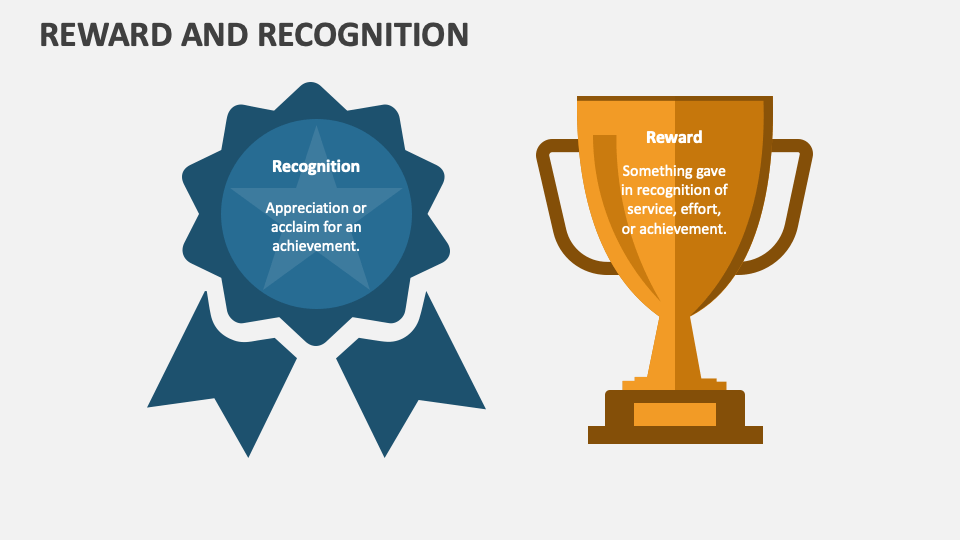
- Reward-Based Crowdfunding: Backers receive rewards such as early access to products or exclusive content.
- Equity Crowdfunding: Investors receive shares in the company in exchange for their contributions.
- Donation-Based Crowdfunding: Supporters donate without expecting anything in return, often for charitable causes.
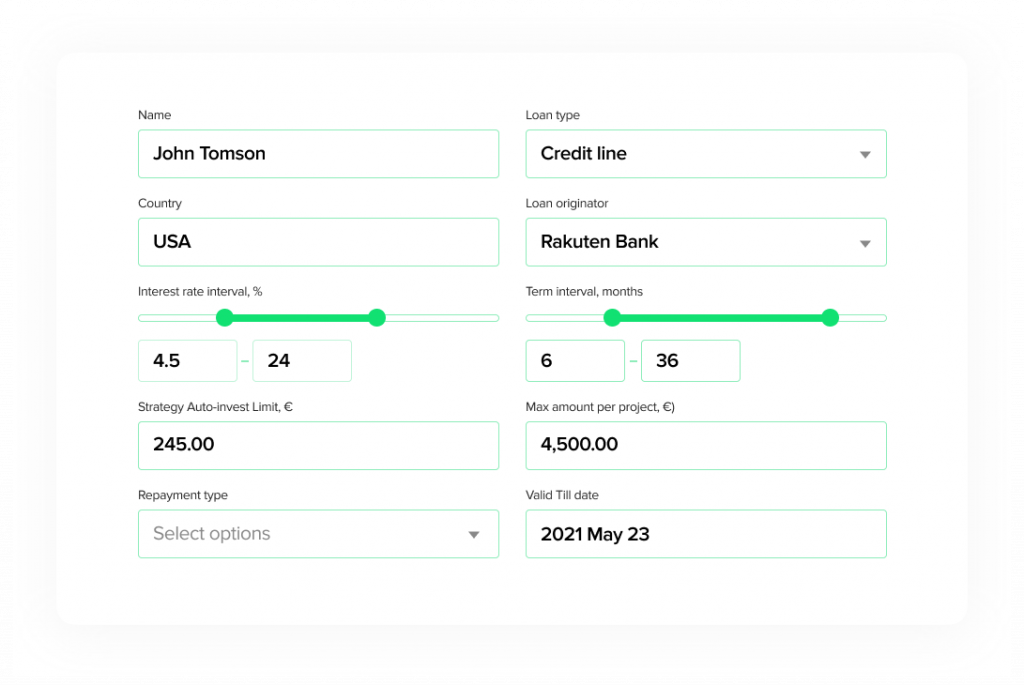
- Debt Crowdfunding (P2P Lending): Borrowers receive loans from individual lenders, repaying them with interest.
- Royalty-Based Crowdfunding: Backers earn a percentage of future revenues from the project.
Top 10 Crowdfunding Platforms
Choosing the right platform is crucial for the success of your campaign. Here are some of the top crowdfunding platforms in 2025:
1. Kickstarter
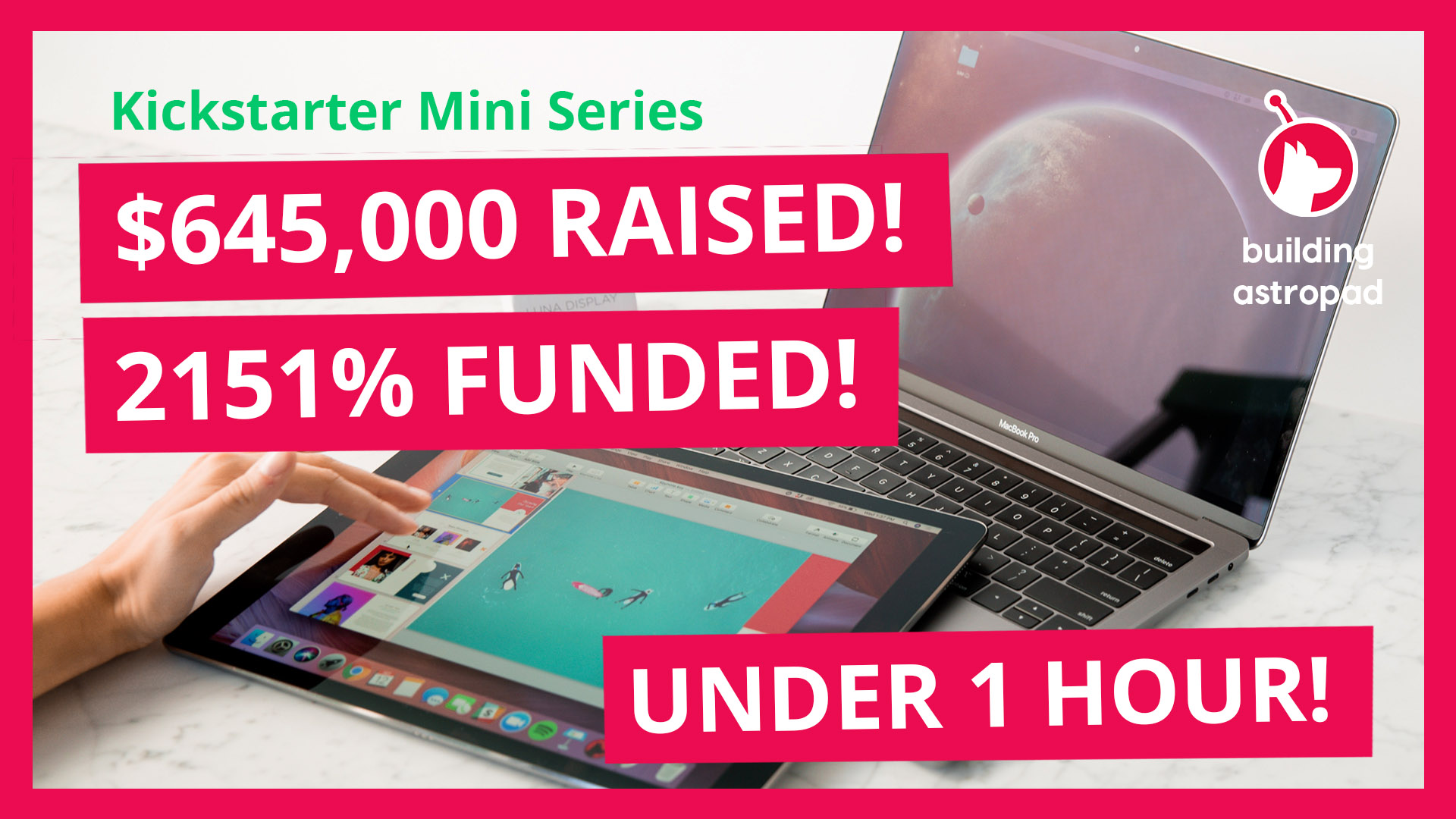
Best Overall: Kickstarter is one of the most well-known crowdfunding platforms, ideal for creative projects. It operates on an all-or-nothing model, meaning you only receive funds if you meet your goal.
2. Indiegogo
Runner-Up: Indiegogo offers flexible funding options, allowing you to receive funds even if you don’t meet your goal. It’s great for multi-stage projects.
3. Fundable
Best for Small Businesses: Fundable is part of Startups.com and offers both reward and equity crowdfunding options. It provides support for creating a pitch deck and identifying investors.
4. Crowdfunder
Best for Shopify Stores: Crowdfunder integrates with Shopify, making it easy to turn product pages into crowdfunding pages. It charges a predictable monthly fee.
5. Patreon
Best for Content Creators: Patreon is ideal for content creators who want to monetize their audience through subscriptions. It supports recurring revenue and exclusive content.
6. Crowdcube
Best for UK and Europe: Crowdcube is a UK-based equity crowdfunding platform suitable for European businesses. It offers various types of equity crowdfunding.
7. GoFundMe
Best for Personal Fundraising: GoFundMe is perfect for personal causes, charities, and community projects. It allows anyone to create a campaign and raise funds.
8. Mightycause
Best for Nonprofits: Mightycause is designed for nonprofits and offers tools for fundraising, donation management, and peer-to-peer campaigns.
9. CrowdStreet
Best for Real Estate Crowdfunding: CrowdStreet connects real estate sponsors with individual investors, offering opportunities to invest in real estate projects.
10. StartEngine
Best for High-Growth Startups: StartEngine is an equity crowdfunding platform that allows startups to raise capital through Regulation Crowdfunding (Reg CF).
Tips for a Successful Crowdfunding Campaign
To maximize your chances of success, consider the following tips:
- Set Realistic Goals: Determine how much money you need and set a clear, achievable goal.
- Create a Compelling Pitch: Your campaign page should tell a story that resonates with your audience.
- Leverage Social Media: Promote your campaign on social media platforms to reach a wider audience.
- Engage with Backers: Keep your backers informed and involved throughout the campaign.
- Offer Attractive Rewards: Provide tiered rewards that encourage higher contributions.
Conclusion
Crowdfunding is a powerful tool that can help you bring your ideas to life. By understanding the different types of crowdfunding and choosing the right platform, you can effectively raise funds, validate your concept, and build a community around your project. Whether you’re an entrepreneur, artist, or nonprofit organization, crowdfunding offers a unique opportunity to connect with supporters and achieve your goals.