
How to Protect Yourself from Credit Fraud: Essential Tips and Strategies
In today’s digital age, credit fraud has become a growing concern for consumers. With the rise of identity theft and cybercrime, it’s more important than ever to take proactive steps to protect your financial information. Credit fraud protection is not just about safeguarding your money—it’s about protecting your identity, your credit score, and your overall financial well-being.
Understanding Credit Fraud
Credit fraud occurs when someone uses your personal information, such as your name, Social Security number, or credit card details, to open new accounts or make purchases without your consent. This can lead to serious consequences, including damaged credit, unauthorized debt, and even legal issues.
The good news is that there are several effective strategies you can use to prevent credit fraud. These methods range from simple everyday habits to more advanced security measures. Let’s explore some of the most essential tips and strategies for protecting yourself from credit fraud.
1. Freeze Your Credit
One of the most powerful tools in your arsenal against credit fraud is a credit freeze. A credit freeze restricts access to your credit report, making it much harder for fraudsters to open new accounts in your name. Unlike a credit lock, which is often offered by credit monitoring services, a credit freeze is free and provides stronger protection.
To freeze your credit, you’ll need to contact each of the three major credit bureaus—Equifax, Experian, and TransUnion—and request a freeze. You’ll typically need to provide personal information, such as your Social Security number and date of birth. Once frozen, you can still access your credit report if needed, but it will require a temporary thaw.
2. Use Strong Passwords and Enable Two-Factor Authentication

In an era where online transactions are commonplace, protecting your digital accounts is crucial. One of the simplest yet most effective ways to do this is by using strong, unique passwords for each of your accounts. Avoid using easily guessable information like your birthday or pet’s name.
Additionally, enable two-factor authentication (2FA) on all your accounts, especially those related to banking and finance. This adds an extra layer of security by requiring a second form of verification, such as a code sent to your phone or a biometric scan.
3. Monitor Your Accounts Regularly
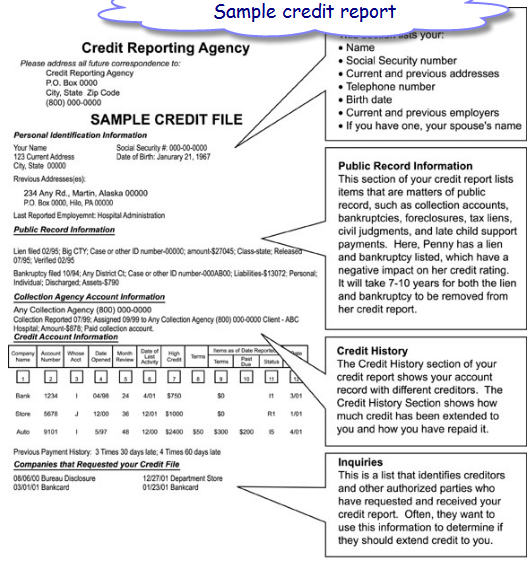
While it’s impossible to completely eliminate the risk of credit fraud, regular monitoring of your accounts can help you detect suspicious activity early. Set up alerts for any unusual transactions, and review your credit reports at least once a year.
You can get a free copy of your credit report from each of the three major credit bureaus once every 12 months through AnnualCreditReport.com. This allows you to check for any unauthorized accounts or changes.
4. Be Wary of Phishing Scams

Phishing scams are one of the most common methods used by fraudsters to steal personal information. These scams often come in the form of emails, text messages, or phone calls that appear to be from legitimate sources, such as banks or government agencies.
Always be cautious of unsolicited requests for personal information. If you’re unsure about the legitimacy of a communication, contact the organization directly using official contact details rather than clicking on links or responding to messages.
5. Use Secure Payment Methods
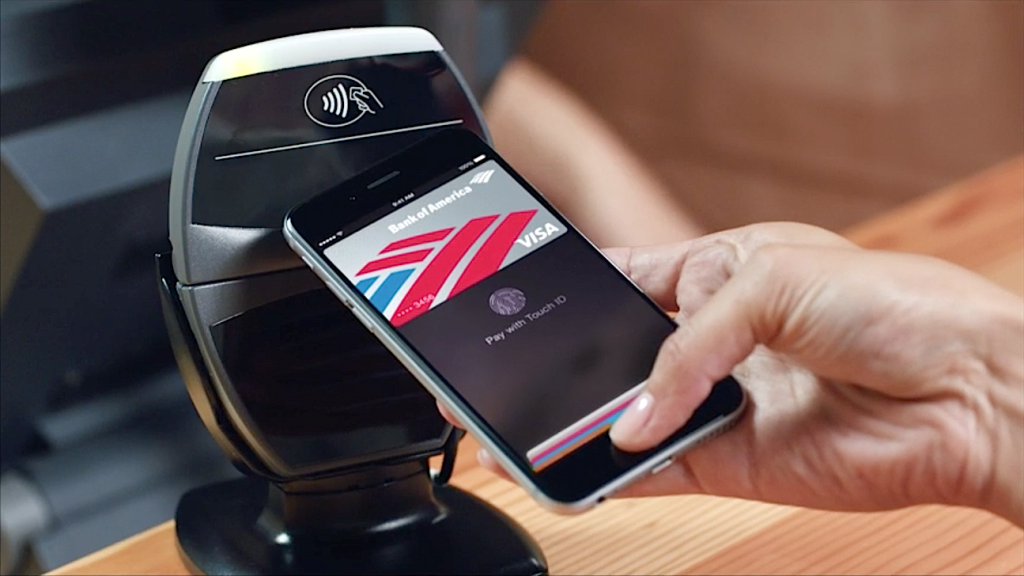
When making online or in-person purchases, always use secure payment methods. Consider using EMV chip cards, which are more secure than traditional magnetic stripe cards. Additionally, smartphone-based payment services like Apple Pay and Google Pay use tokenization technology to protect your credit card information during transactions.
6. Limit the Use of Your Credit Card

To reduce the risk of your credit card being compromised, consider designating one card for autopay and everyday spending. This way, if one card is stolen or hacked, you won’t have to worry about changing all your automatic payments.
Avoid sharing your credit card information with others, and never enter your card details on public Wi-Fi networks or unsecured websites. Always look for the “https://” prefix in the URL to ensure the site is secure.
7. Shred Sensitive Documents

Unwanted documents that contain your personal or financial information should be shredded before disposal. This includes bank statements, credit card offers, and receipts. Using a cross-cut shredder can further enhance security by making it more difficult for thieves to reconstruct the information.
8. Stay Informed and Educated

Finally, staying informed about the latest trends in credit fraud and identity theft is essential. Follow reputable sources for updates on security threats and best practices for protection. Many financial institutions and government agencies offer free resources to help you stay safe.
By implementing these strategies, you can significantly reduce the risk of falling victim to credit fraud. Remember, prevention is always better than cure, and taking the time to protect your financial information now can save you from a lot of stress and hassle in the future.