Understanding SBA-Backed Loans and Business Funding Options in the UK
The U.S. Small Business Administration (SBA) plays a pivotal role in supporting small businesses by offering loan programs that reduce lender risk and make funding more accessible. While the SBA is primarily an American institution, its influence extends to global markets, including the United Kingdom, where many entrepreneurs seek similar financial support. In the UK, small businesses often look for alternatives to SBA-backed loans, such as government-backed schemes or private lenders. However, understanding how these loans function can help UK business owners navigate the complexities of securing capital.
What Are SBA-Backed Loans?
SBA-backed loans are designed to assist small businesses in obtaining financing that might otherwise be difficult to secure. These loans are not directly issued by the SBA but are guaranteed by it, which reduces the risk for lenders. This guarantee encourages banks and other financial institutions to offer more favorable terms to small businesses. The SBA sets guidelines for these loans, ensuring that they are structured to support long-term growth while protecting both the borrower and the lender.
In the UK, similar initiatives exist, such as the British Business Bank’s backed loans and the Start Up Loans scheme. These programs aim to provide affordable financing options to entrepreneurs who may not qualify for traditional bank loans.
How to Apply for an SBA-Backed Loan
While the process for applying for an SBA-backed loan in the US involves specific steps, UK-based business owners should familiarize themselves with equivalent procedures. Here’s a general outline of what to expect:
- Research Available Loan Types: Explore different loan options, such as 7(a) loans, 504 loans, and microloans, each with unique eligibility criteria and benefits.
- Use Lender Match Tools: Platforms like the SBA’s Lender Match can connect you with approved lenders who specialize in small business financing.
- Create an Account: Once you’ve identified potential lenders, create an account to begin discussions about your loan needs.
- Submit Your Application: Provide detailed information about your business, including financial statements, tax returns, and a business plan.
- Wait for Approval: Lenders will review your application and, if approved, work with you to finalize the loan terms.
Preparing for a BusinessLine® Line of Credit
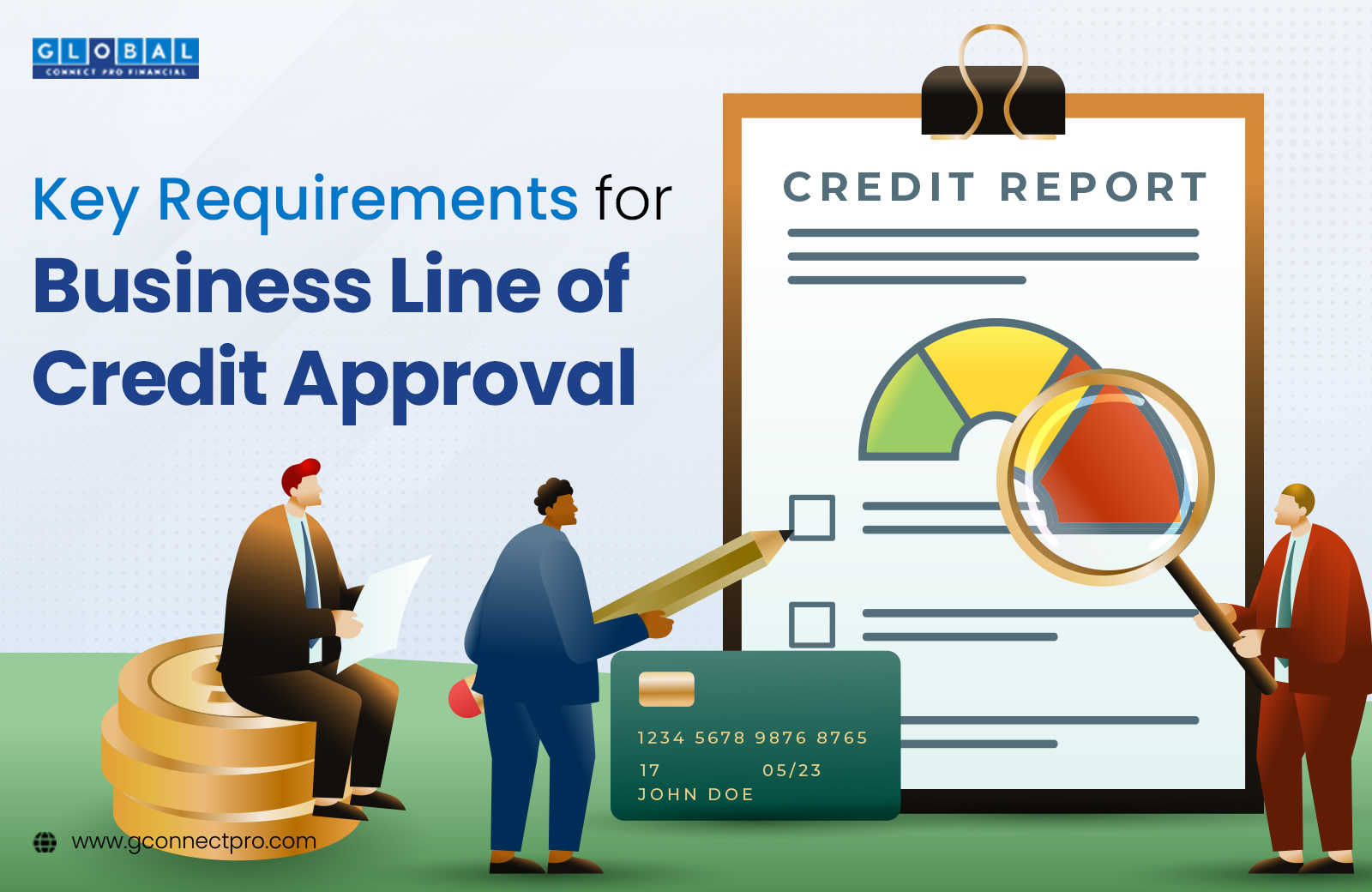
For UK business owners considering a line of credit, there are several factors to consider before applying. A BusinessLine® line of credit, similar to other secured or unsecured credit lines, requires careful preparation. Key considerations include:
- Credit Score Requirements: Most lenders require a FICO score of at least 680 for approval. This applies to both personal and business credit scores.
- Ownership Structure: Any owner with 25% or more ownership in the business must provide a personal guarantee. The combined ownership of all guarantors must be at least 51%.
- Time in Business: Typically, businesses must have been operating for at least six months to qualify for a line of credit.
- Financial Stability: Lenders will assess your business’s financial health, including revenue, debt levels, and cash flow.
Key Factors to Consider When Seeking a Loan

When evaluating loan options, whether through the SBA or UK-based lenders, several key factors should be taken into account:
Loan Application Ease
The ease of applying for a loan varies significantly between lenders. Some may require extensive documentation, while others streamline the process. For UK business owners, it’s essential to choose a lender that offers an online application and minimal paperwork, especially if you need funds quickly.
Interest Rates
Interest rates on small business loans can vary widely. Fixed-rate loans offer predictable payments, while variable-rate loans may fluctuate based on market conditions. In the UK, interest rates for business loans typically range from 4% to 15%, depending on the lender and the borrower’s creditworthiness.
Rules and Requirements

Lenders often charge additional fees, such as origination fees, late payment charges, and maintenance fees. Understanding the annual percentage rate (APR) is crucial, as it reflects the total cost of the loan, including interest and fees.
Qualifying Criteria
Most lenders assess a business’s credit score, years in operation, annual sales, and financial stability. UK lenders may also consider the industry type and the business’s growth potential.
Collateral
Secured loans require collateral, such as property, equipment, or accounts receivable. Unsecured loans do not require collateral but often come with higher interest rates. Personal guarantees are also common, binding the business owner to repay the loan even in the event of bankruptcy.
Funding Speed

The speed at which funds are disbursed can impact a business’s ability to meet operational needs. Some lenders in the UK can disburse funds within 24 hours, while others may take several days.
Paperwork
Additional documentation, such as tax returns, bank statements, and proof of identity, is often required. Ensuring that all documents are ready before applying can expedite the approval process.