What Is Asset Management? A Complete Guide to Managing Your Investments
Asset management is a critical component of the financial industry, encompassing the process of managing and growing an individual’s or organization’s investments. It involves making strategic decisions about how to allocate resources to maximize returns while minimizing risks. This guide will explore the fundamentals of asset management, its importance, various types of asset managers, and how it works in practice.
Understanding Asset Management
At its core, asset management refers to the professional management of various types of assets and investments on behalf of clients. The goal is to grow wealth over time while adhering to the client’s risk tolerance and financial objectives. Asset managers work closely with their clients to develop personalized investment strategies that align with their unique needs and goals.
Key Components of Asset Management
- Investment Strategy: Developing a plan that outlines the types of assets to be included in the portfolio, such as stocks, bonds, real estate, and commodities.
- Risk Management: Assessing and mitigating potential risks associated with the investment choices.
- Portfolio Diversification: Spreading investments across different asset classes to reduce overall risk.
- Performance Monitoring: Regularly reviewing the performance of the portfolio to make necessary adjustments.
The Role of an Asset Manager

An asset manager is responsible for creating and maintaining a client’s investment portfolio. They oversee daily operations, make necessary changes, and communicate regularly with clients about the progress of their investments. Asset managers must have a deep understanding of financial markets, investment products, and risk management strategies.
Types of Asset Managers
There are several types of asset managers, each with distinct roles and responsibilities:
- Registered Investment Advisers (RIAs): These professionals are regulated and provide advice on security trades and portfolio management.
- Brokers: They act as intermediaries, facilitating trades but not necessarily managing portfolios.
- Financial Advisors: These professionals offer recommendations on investments and may specialize in areas like tax planning or estate management.
- Robo-Advisors: Automated platforms that use algorithms to manage investment portfolios at a lower cost than traditional advisors.
How Asset Management Companies Work

Asset management companies compete to serve the investment needs of individuals and institutions. They often provide a range of services, including check-writing privileges, credit cards, debit cards, margin loans, and brokerage services. When individuals deposit money into their accounts, it is typically placed into a money market fund that offers a higher return than a regular savings account.
These types of accounts have only been possible since the passage of the Gramm-Leach-Bliley Act in 1999, which replaced the Glass-Steagall Act. This act allowed banks to engage in both banking and investing activities, provided they maintained a “Chinese wall” between divisions.
Cost of Asset Management

The cost of asset management varies depending on the type of service provided. Common fee structures include:
- Percentage of Assets Under Management (AUM): The most common model charges a percentage of the assets under management, with the industry average around 1% for up to $1 million.
- Per Trade Fees: Some asset managers charge a fee for each trade executed.
- Commissions: Certain managers may receive commissions for upselling securities to their clients.
It is essential to understand whether your asset management firm is a fiduciary, as this ensures that their advice is in your best interest.
Top Asset Management Institutions

As of February 2024, the five largest asset management institutions based on global assets under management (AUM) were:
- BlackRock ($9.46 trillion)
- Vanguard Group ($7.25 trillion)
- Fidelity Management and Research ($3.88 trillion)
- The Capital Group ($2.5 trillion)
- Amundi ($2.1 trillion)
Digital Asset Management

Digital asset management (DAM) refers to the storage and management of digital media assets in a centralized repository. It is commonly used for large audio or video files that need to be accessed by multiple teams within an organization. DAM systems help streamline workflows, improve collaboration, and ensure that assets are easily accessible when needed.
Conclusion
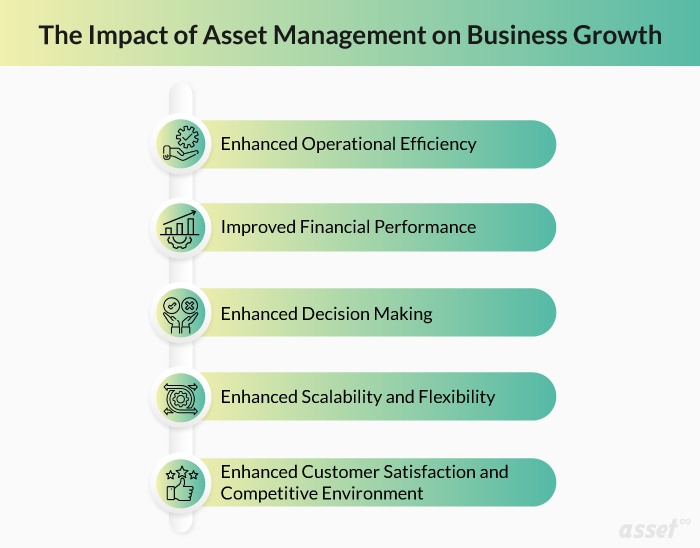
Asset management plays a vital role in helping individuals and organizations grow and protect their wealth. By understanding the different types of asset managers, the processes involved, and the costs associated, investors can make informed decisions about their financial futures. Whether through traditional methods or modern technologies like robo-advisors, effective asset management is key to achieving long-term financial success.