The Ultimate Guide to Financial Education: Build a Stronger Financial Future
Financial education is more than just understanding numbers and spreadsheets—it’s about gaining the knowledge, skills, and confidence to make informed decisions about your money. In today’s complex financial landscape, being financially literate can mean the difference between long-term stability and debt-driven stress. Whether you’re just starting out or looking to refine your financial strategy, this guide will help you build a stronger financial future through effective financial education.
Why Financial Education Matters
Financial education empowers individuals to take control of their financial lives. It helps people understand how to manage income, save for the future, invest wisely, and avoid common pitfalls like high-interest debt and poor spending habits. According to the Federal Reserve, household debt in the U.S. reached $18.59 trillion in 2025, with credit card debt alone hitting $1.23 trillion. This highlights the urgent need for better financial literacy across all age groups.
Financial education also plays a critical role in breaking the cycle of debt and financial insecurity. Studies show that individuals who receive proper financial training are more likely to save regularly, plan for retirement, and make informed investment decisions. It’s not just about avoiding mistakes—it’s about building a foundation for long-term financial freedom.
Key Components of Financial Education
To build a solid financial foundation, it’s essential to focus on the following core areas:
1. Budgeting and Expense Management
Creating a budget is the first step toward financial control. A well-structured budget helps you track income and expenses, identify unnecessary spending, and allocate funds toward savings and investments. Tools like the 50/30/20 rule (50% for essentials, 30% for discretionary spending, and 20% for savings and debt) provide a simple framework for managing your money effectively.
2. Saving and Emergency Funds

One of the most important aspects of financial education is learning to save. Experts recommend setting aside three to six months of living expenses in an emergency fund. This safety net protects against unexpected costs like medical bills, car repairs, or job loss. Even small contributions, such as $50 a month, can add up over time.
3. Debt Management
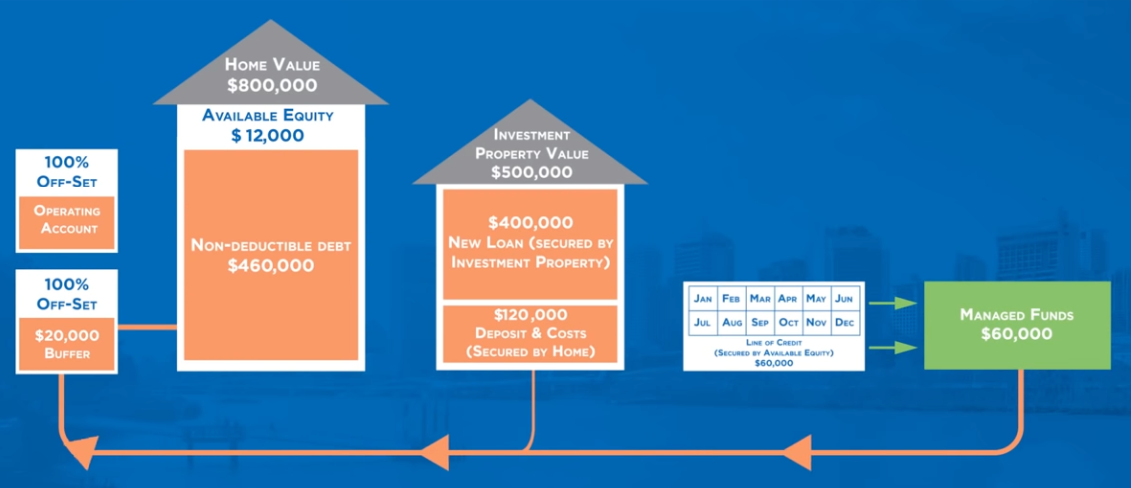
Understanding how to manage debt is crucial for financial health. Credit card debt, student loans, and other forms of borrowing can quickly spiral out of control if not managed properly. Financial education teaches you how to prioritize debt repayment, negotiate lower interest rates, and avoid high-interest traps.
4. Investing for the Future
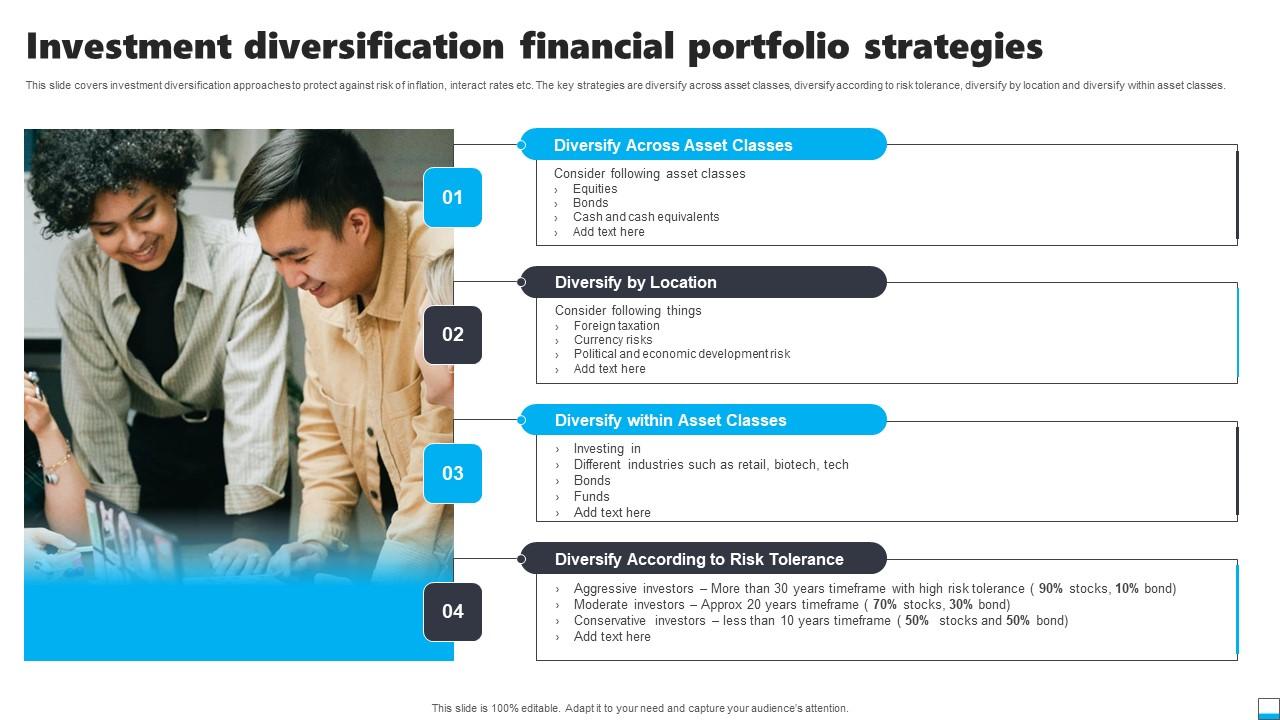
Investing is a powerful tool for growing wealth over time. Whether it’s through retirement accounts like 401(k)s or IRAs, or through stocks, bonds, and mutual funds, financial education helps you make informed investment decisions. Diversification and long-term planning are key to minimizing risk and maximizing returns.
5. Retirement Planning

Retirement planning is often overlooked, but it’s one of the most important aspects of financial education. Starting early allows you to take advantage of compound interest, which can significantly boost your savings over time. Understanding different retirement accounts, such as traditional vs. Roth IRAs, is essential for creating a secure financial future.
How to Get Started with Financial Education

Financial education doesn’t have to be overwhelming. Here are some practical steps to begin your journey:
1. Take Free Online Courses
There are numerous free resources available online to help you learn about personal finance. Platforms like EdX, Coursera, and Investopedia offer courses on budgeting, investing, and retirement planning. These courses are designed for all skill levels and can be completed at your own pace.
2. Read Books and Blogs

Books like The Total Money Makeover by Dave Ramsey and I Will Teach You to Be Rich by Ramit Sethi provide valuable insights into personal finance. Additionally, blogs such as Mr. Money Mustache and CentSai offer real-life stories and practical advice on managing money effectively.
3. Use Financial Apps
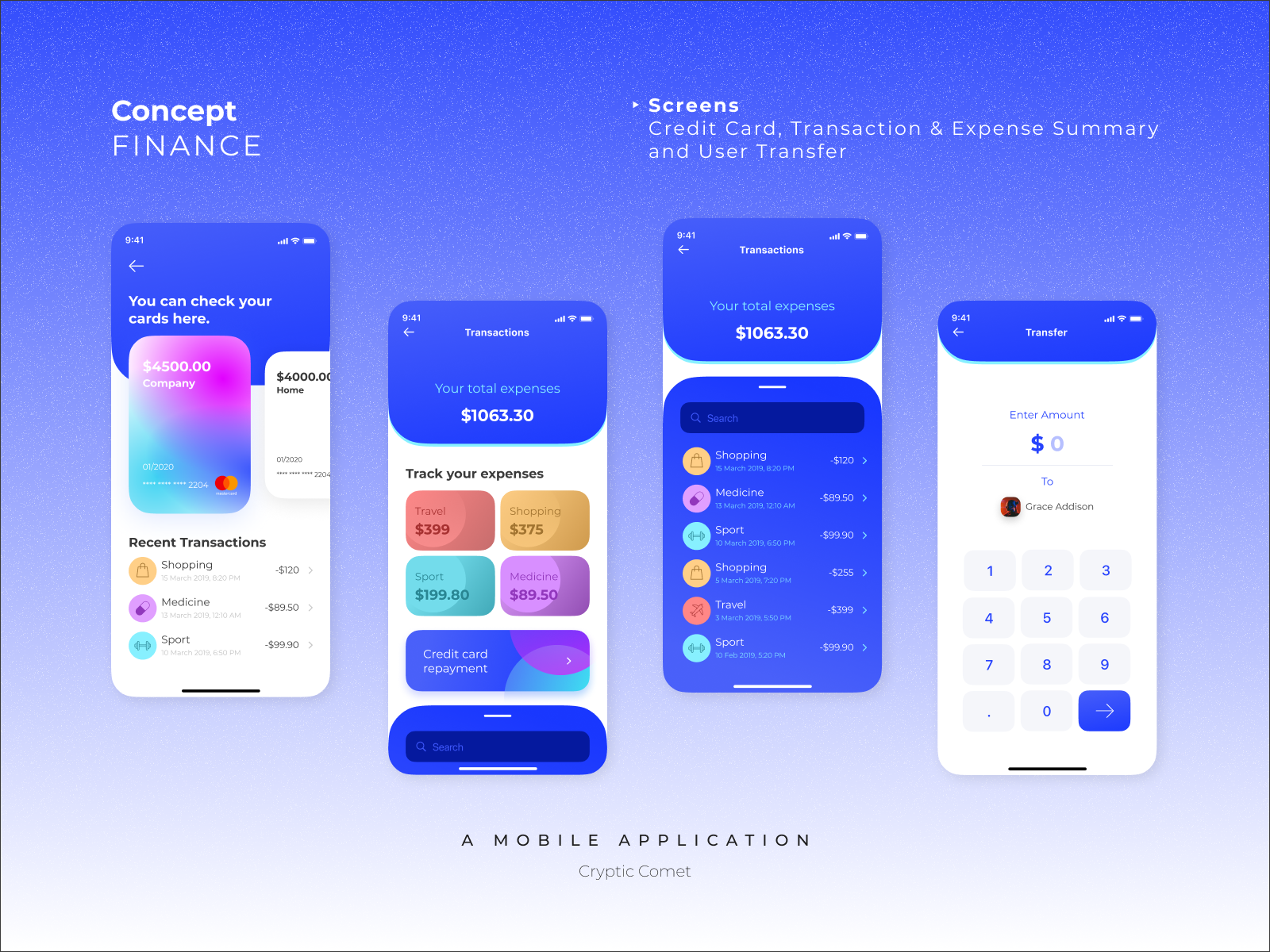
Mobile apps like YNAB (You Need a Budget) and PocketGuard help you track spending, set financial goals, and stay on top of your budget. These tools simplify the process of managing your money and making informed financial decisions.
4. Consult Professionals

If you’re unsure where to start, consider consulting a financial advisor. Many professionals offer free initial consultations and can help you create a personalized financial plan based on your goals and circumstances.
The Long-Term Benefits of Financial Education

Financial education is not just about short-term gains—it’s about building a secure financial future. The benefits include:
- Reduced financial stress: Knowing how to manage money reduces anxiety and increases confidence.
- Improved decision-making: Financial literacy helps you make smarter choices about spending, saving, and investing.
- Increased wealth: Consistent financial planning and smart investing lead to long-term growth.
- Better quality of life: Financial stability allows you to enjoy life without the burden of debt.
Conclusion
Financial education is a lifelong journey that empowers individuals to take control of their financial futures. By understanding the basics of budgeting, saving, investing, and debt management, you can build a strong financial foundation that supports your goals and aspirations. Whether you’re just starting out or looking to refine your strategy, the key is to stay informed, stay disciplined, and keep learning. With the right knowledge and tools, you can achieve financial independence and create a more secure, fulfilling life.