The Ultimate Guide to Forex Trading for Beginners and Experts
Forex trading, or foreign exchange trading, is the largest and most liquid financial market in the world. It involves the buying and selling of currencies with the goal of profiting from fluctuations in their exchange rates. With trillions of dollars traded daily, the forex market offers opportunities for both beginners and seasoned traders. However, it also comes with its own set of challenges and risks. This guide will provide a comprehensive overview of forex trading, covering everything from the basics to advanced strategies.
Understanding the Forex Market
The foreign exchange market, commonly referred to as the forex or FX, is a decentralized global marketplace where currencies are traded. Unlike stock or bond markets, which have centralized exchanges, the forex market operates through an electronic network of banks, brokerages, institutional investors, and individual traders. This makes it highly accessible and flexible, as it is open 24 hours a day, five days a week.
Key Concepts in Forex Trading
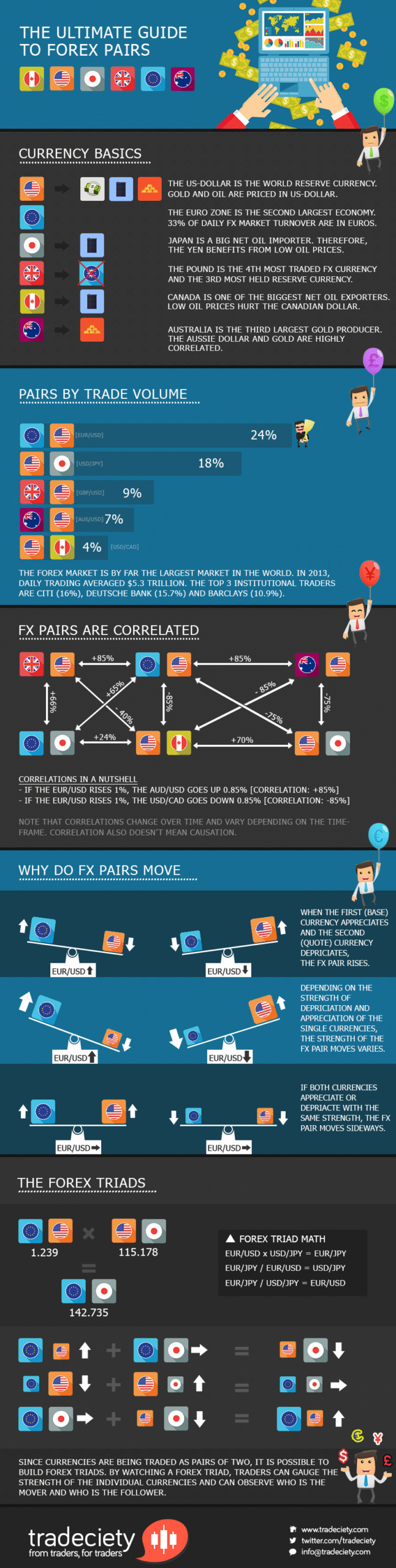
- Currency Pairs: In forex trading, currencies are always traded in pairs. For example, EUR/USD represents the euro versus the U.S. dollar. The first currency in the pair is the base currency, while the second is the quote currency.
- Exchange Rates: The exchange rate indicates how much of the quote currency is needed to purchase one unit of the base currency. For instance, if the EUR/USD rate is 1.2569, it means that 1.2569 U.S. dollars are needed to buy 1 euro.
- Leverage: Leverage allows traders to control larger positions with a smaller amount of capital. While this can amplify profits, it also increases the risk of losses.
- Spreads: The spread is the difference between the bid (sell) price and the ask (buy) price of a currency pair. Brokers make money from the spread, so it’s an important factor to consider when choosing a trading platform.
How to Start Trading Forex

If you’re new to forex trading, it’s essential to start with a solid foundation. Here are some steps to help you get started:
1. Choose a Reliable Broker
Selecting a reputable and regulated forex broker is crucial. A good broker should offer competitive spreads, a user-friendly trading platform, and strong customer support. Some of the top brokers in 2025 include IC Markets, Forex.com, FP Markets, Pepperstone, and Exness.
2. Open a Demo Account

Before investing real money, it’s wise to practice with a demo account. This allows you to test different strategies and familiarize yourself with the trading platform without risking your capital.
3. Learn the Basics
Understanding the fundamentals of forex trading is essential. This includes learning about technical analysis, fundamental analysis, and risk management. There are many online resources, courses, and books available to help you build your knowledge.
4. Develop a Trading Strategy
A well-defined trading strategy is key to success in forex trading. This should include your entry and exit points, risk management rules, and a plan for handling losses. Common strategies include trend following, range trading, and breakout trading.
5. Practice Discipline
Discipline is one of the most important qualities for a successful trader. Stick to your trading plan, avoid emotional decisions, and never trade with money you can’t afford to lose.
Advanced Forex Trading Strategies
For experienced traders, there are several advanced strategies that can be used to enhance profitability:
1. Technical Analysis
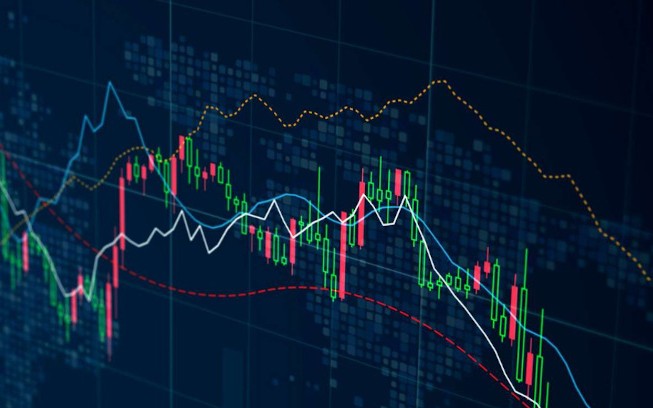
Technical analysis involves using historical price data and charts to identify patterns and predict future price movements. Tools such as moving averages, RSI, and MACD are commonly used in technical analysis.
2. Fundamental Analysis
Fundamental analysis focuses on economic indicators, interest rates, and geopolitical events that can affect currency values. Traders who use this approach often monitor news releases, central bank announcements, and economic reports.
3. Algorithmic Trading
Algorithmic trading involves using computer programs to execute trades based on predefined rules. This method can help eliminate emotional bias and improve efficiency, especially for high-frequency traders.
4. Hedging
Hedging is a risk management technique used to protect against potential losses. This can be done by taking opposite positions in related assets or using options and futures contracts.
Risks and Challenges in Forex Trading
While forex trading offers significant opportunities, it also comes with inherent risks. Some of the main challenges include:
- Market Volatility: Currency prices can fluctuate rapidly due to economic news, political events, and market sentiment.
- Leverage Risk: While leverage can increase profits, it can also magnify losses, leading to substantial financial risk.
- Regulatory Changes: Changes in regulations can impact trading conditions and affect the availability of certain trading instruments.
- Emotional Trading: Emotional decisions, such as chasing losses or overtrading, can lead to poor outcomes.
Tips for Successful Forex Trading

To maximize your chances of success in forex trading, consider the following tips:
- Set Realistic Goals: Define clear and achievable goals for your trading activities.
- Use Stop-Loss Orders: Stop-loss orders help limit potential losses by automatically closing a trade when it reaches a specified level.
- Stay Informed: Keep up-to-date with global economic news and market developments.
- Continuously Educate Yourself: The forex market is constantly evolving, so it’s important to stay informed and adapt your strategies accordingly.
Conclusion
Forex trading is a dynamic and exciting market that offers numerous opportunities for both beginners and experts. However, it requires a solid understanding of the market, disciplined trading practices, and a well-defined strategy. By following the steps outlined in this guide and continuously improving your knowledge, you can increase your chances of success in the forex market.
Whether you’re just starting out or looking to refine your skills, the key to success lies in education, practice, and perseverance. With the right approach, forex trading can be a rewarding and profitable endeavor.