What Is a Financial Advisor? A Complete Guide to Understanding Their Role and Benefits
Financial advisors play a crucial role in helping individuals and families achieve their financial goals. Whether you’re planning for retirement, managing debt, or saving for a major life event, a financial advisor can provide the guidance and expertise needed to make informed decisions. In this article, we’ll explore what a financial advisor does, the services they offer, and how to choose the right one for your needs.
Understanding the Role of a Financial Advisor
A financial advisor is a professional who helps clients manage their money, invest wisely, and plan for the future. They assess your current financial situation, identify areas for improvement, and create a personalized financial plan that aligns with your goals. This can include everything from budgeting and saving to investment management and retirement planning.
Key Responsibilities of a Financial Advisor
- Assessing Your Financial Situation: A financial advisor will review your income, expenses, savings, debts, and net worth to understand where you stand financially.
- Creating a Financial Plan: Based on your goals, an advisor will develop a comprehensive plan that includes strategies for saving, investing, and managing debt.
- Investment Management: Advisors help you build and manage a diversified investment portfolio tailored to your risk tolerance and financial objectives.
- Retirement Planning: They assist in determining how much you need to save for retirement and recommend strategies to ensure a comfortable lifestyle in your later years.
- Tax Planning: Advisors work with tax professionals to minimize your tax liability and maximize your savings.
- Estate Planning: They help you create plans for transferring wealth, including wills, trusts, and charitable giving.
Services Offered by Financial Advisors

Financial advisors offer a wide range of services to help clients achieve their financial goals. Here are some of the most common services:
1. Portfolio Management
Your advisor crafts an investment strategy aligned with your personal goals and comfort with risk, adjusting your portfolio mix as markets shift and your life circumstances change.
2. Debt Management
Whether dealing with student loans, mortgages, or credit card balances, your advisor should help you develop a clear path to financial freedom by eliminating debt over time.
3. Budgeting
Rather than just creating rigid budgets, your advisor can help you with spending and savings patterns that support your desired lifestyle while keeping your long-term goals on track.
4. College Savings
Your advisor maps out strategies to help cover education costs, whether for your children or yourself (advanced degrees, professional development, etc.), without derailing other financial priorities.
5. Retirement Planning
By analyzing what you will need after retirement, along with your income, spending, and savings, your advisor should help you create and regularly update a blueprint for getting you there.
Signs You Need a Financial Advisor

While some people are quite good at handling their finances, many could benefit from the guidance of a professional. Here are some signs it might be time to work with a financial advisor:
- Your Money Isn’t Growing: If your savings are sitting in low-interest accounts or you’re unsure how to start investing, you’re likely losing money to inflation each year.
- Your Portfolio Needs a Professional Review: If your investments are consistently underperforming the market or you find yourself making emotional decisions with your money, an advisor can give you objective guidance.
- Life Changes: Major transitions like marriage, starting a family, buying a house, changing careers, or approaching retirement involve complex financial decisions.
- Important Trust: Many people don’t discuss intimate money matters with their closest friends and relatives. A personal advisor will often know such details long before then.
How Financial Advisors Are Paid
Understanding how your financial advisor gets paid helps you make smarter choices about who manages your money. It also can reveal conflicts of interest that could affect their recommendations.
Types of Compensation
- Fee-Only Advisors: These typically fiduciary advisors charge directly for their services through an annual percentage of assets under management, hourly rates, flat fees, or retainer fees.
- Fee-Based Advisors: Charge direct fees but may also earn commissions from selling financial products.
- Commission-Based Advisors: Earn money primarily through the financial products they sell.
- Robo-Advisors: Offer a lower-cost alternative, typically charging 0.25% to 0.50% annually to manage your investments through computer algorithms.
Choosing the Right Financial Advisor
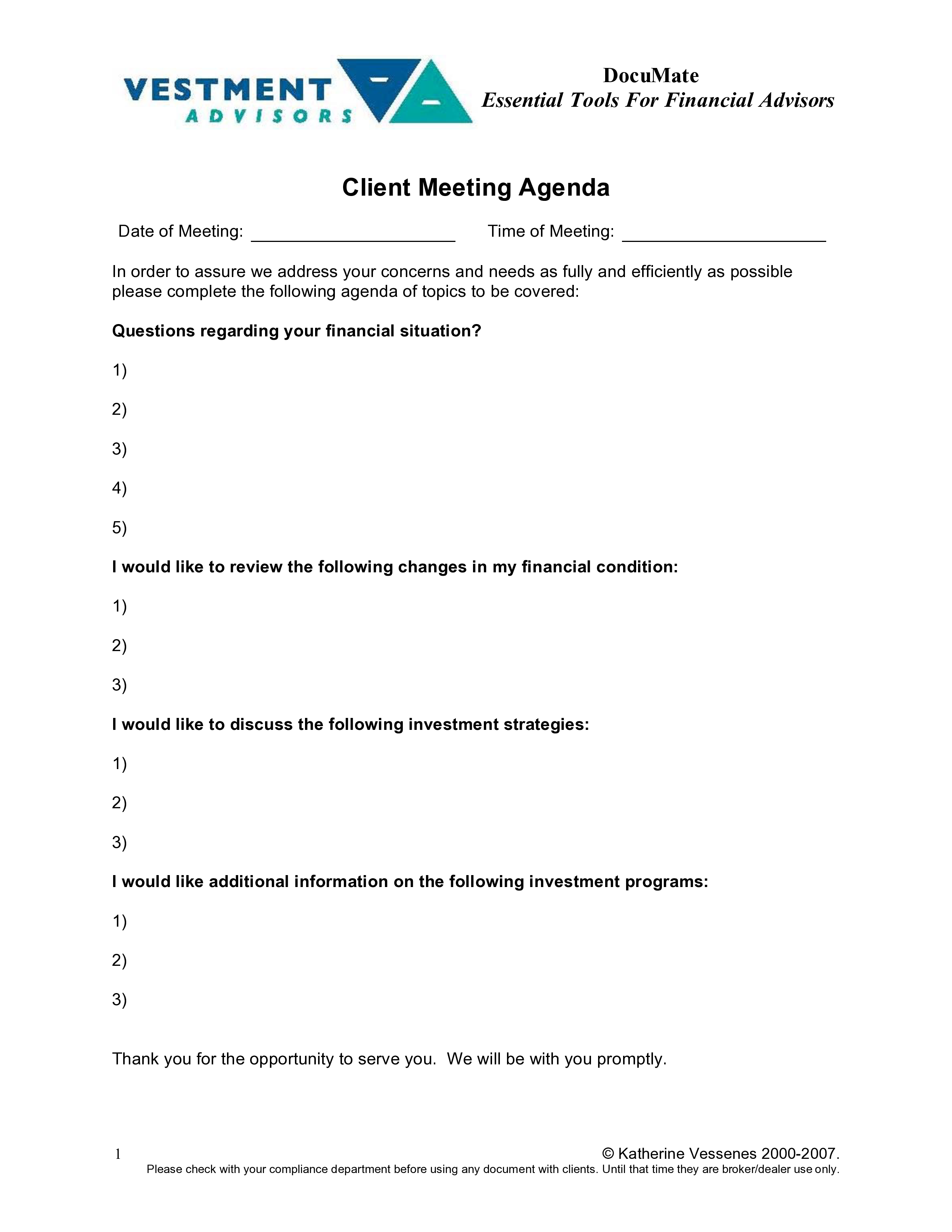
Selecting the right financial advisor is essential to achieving your financial goals. Here are some tips to help you find the best fit:
- Verify Credentials: Check the advisor’s credentials through the Financial Industry Regulatory Authority’s BrokerCheck and the U.S. Securities and Exchange Commission’s Investment Advisor Public Disclosure database.
- Understand Their Compensation: Make sure you understand exactly how they’ll be compensated and whether they’re bound by a fiduciary duty to put your interests first.
- Interview Multiple Advisors: Ask questions to find someone who meets your needs and whom you feel comfortable discussing your personal financial situation with.
- Check Reviews and References: Look for reviews and ask for references to ensure the advisor has a good reputation.
Conclusion
A financial advisor can be a valuable partner in achieving your financial goals. By providing expert guidance, personalized plans, and ongoing support, they help you navigate the complexities of personal finance. Whether you’re planning for retirement, managing debt, or building wealth, a financial advisor can help you make informed decisions and stay on track toward a secure financial future. Take the time to research and choose the right advisor for your needs, and you’ll be well on your way to financial success.