
What is DeFi? A Complete Guide to Decentralized Finance in 2025
Decentralized finance, or DeFi, is revolutionizing the traditional financial landscape by offering open, transparent, and accessible alternatives to conventional banking systems. Unlike traditional finance, which relies on centralized institutions like banks and governments, DeFi leverages blockchain technology and smart contracts to create a trustless, peer-to-peer financial ecosystem. This shift empowers users with greater control over their assets, eliminates intermediaries, and opens up new opportunities for investment, lending, borrowing, and trading.
As of 2025, the DeFi market is projected to grow from $32.36 billion in 2025 to approximately $1,558.15 billion by 2034, reflecting a compound annual growth rate (CAGR) of 53.8%. This explosive growth underscores the increasing adoption and innovation within the DeFi space, making it a critical area of focus for investors, developers, and financial institutions alike.
Understanding DeFi: Key Concepts and Mechanisms
At its core, DeFi operates through decentralized applications (dApps) that run on blockchain networks. These dApps provide a range of financial services, including:
- Lending and Borrowing: Users can lend their cryptocurrency to earn interest or borrow assets by providing collateral.
- Trading: Decentralized exchanges (DEXs) allow users to trade cryptocurrencies without relying on centralized platforms.
- Yield Farming: Users can earn rewards by providing liquidity to DeFi protocols.
- Staking: Users can lock up their tokens to support the network and earn rewards in return.
The foundation of DeFi lies in smart contracts, self-executing agreements that automatically enforce the terms of a contract when predefined conditions are met. These contracts eliminate the need for intermediaries, reducing costs and increasing efficiency.
The Rise of DeFi Platforms

DeFi platforms have emerged as the backbone of this decentralized financial ecosystem. These platforms offer a wide array of services, from simple token swaps to complex yield generation strategies. Some of the most popular DeFi platforms include:
1. Uniswap
Uniswap is a decentralized exchange (DEX) that allows users to swap ERC-20 tokens directly from their wallets. It uses an automated market maker (AMM) model, where liquidity pools facilitate trades without order books. Uniswap’s success has made it one of the most widely used DEXs in the DeFi space.
2. Aave

Aave is a decentralized lending protocol that enables users to lend and borrow crypto assets. It introduced innovative features such as flash loans, which allow users to borrow assets without collateral, provided the loan is repaid within the same transaction block. Aave’s robust security measures and high total value locked (TVL) make it a trusted platform for DeFi users.
3. Compound

Compound is another leading DeFi lending protocol that automates interest rates based on supply and demand dynamics. Users can earn interest on their deposited assets or borrow against their collateral. Compound’s governance token, COMP, allows holders to participate in protocol upgrades and decision-making.
4. MakerDAO

MakerDAO is the creator of DAI, a stablecoin pegged to the US dollar. Users can generate DAI by locking up collateral in smart contracts, creating a decentralized borrowing mechanism. MakerDAO’s community-driven governance model ensures transparency and adaptability.
5. Curve Finance
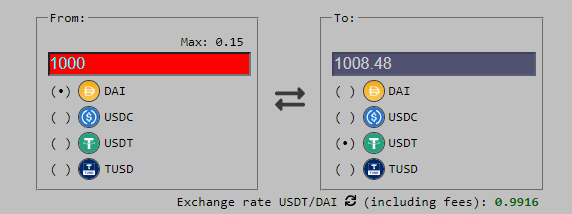
Curve Finance specializes in stablecoin trading, offering minimal slippage and low fees. Its AMM algorithm is optimized for assets with similar values, making it ideal for efficient stablecoin swaps. Curve’s liquidity pools and governance via CRV tokens make it a key player in the DeFi ecosystem.
Security and Risk Considerations
While DeFi offers numerous benefits, it also comes with inherent risks. Smart contract vulnerabilities, market volatility, and regulatory uncertainty are some of the challenges that users must navigate. To mitigate these risks, it’s essential to:
- Conduct thorough research on the platform’s security audits and reputation.
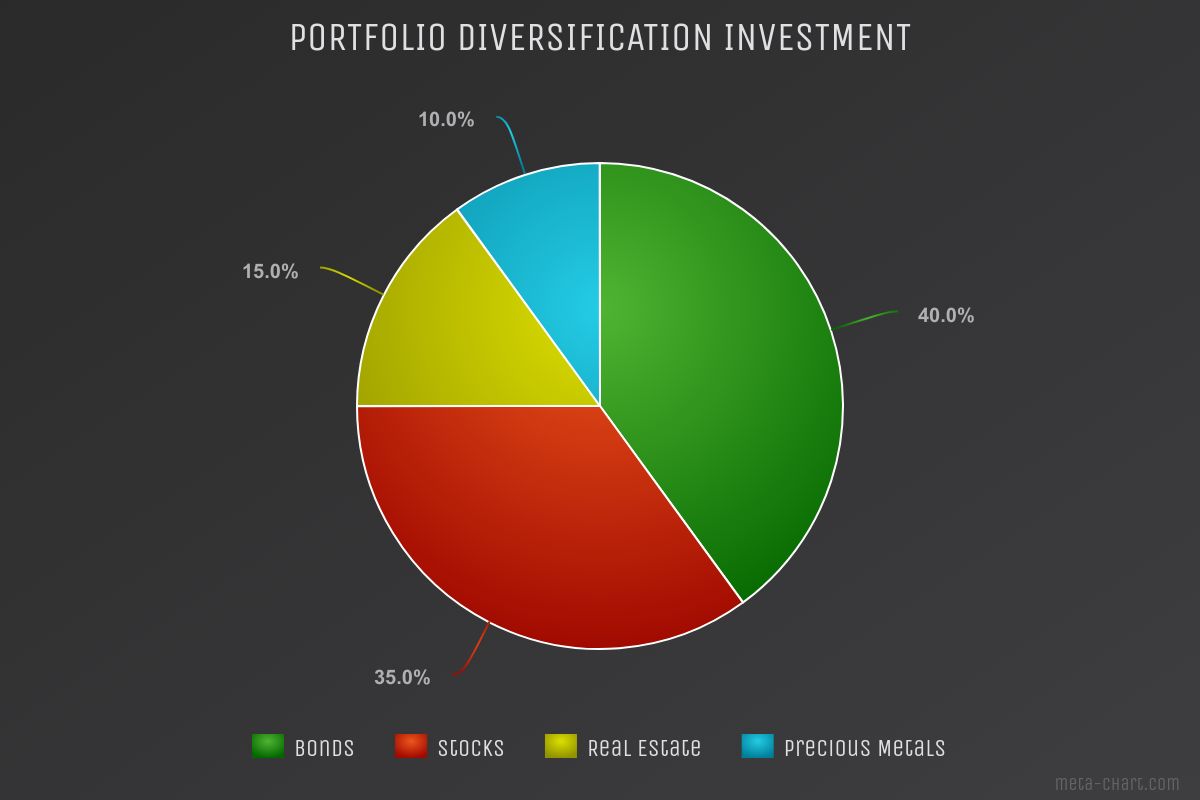
- Diversify investments across multiple protocols to reduce concentration risk.
- Use reputable wallets and enable two-factor authentication (2FA) for added security.
- Stay informed about regulatory developments and potential legal implications.
Strategies for Maximizing Returns
To maximize returns in the DeFi space, users can employ various strategies, including:
1. Yield Farming
Yield farming involves providing liquidity to DeFi protocols to earn rewards in native tokens. Platforms like Yearn Finance automate this process, compounding earnings and optimizing returns.
2. Staking
Staking allows users to lock up their tokens to support the network and earn passive income. Platforms like Lido and Rocket Pool offer liquid staking solutions, enabling users to earn rewards while maintaining asset flexibility.
3. Diversification
Spreading investments across different DeFi protocols reduces risk and increases the potential for higher returns. Allocating no more than 20% of your portfolio to any single platform is a prudent approach.
4. Monitoring Transaction Fees
High gas fees on Ethereum can eat into profits, especially for smaller transactions. Using Layer 2 solutions like Arbitrum or Optimism can significantly reduce costs.
Emerging Trends and Innovations
The DeFi landscape continues to evolve, with new platforms and innovations emerging regularly. Some of the most promising developments in 2025 include:
1. Cross-Chain Lending
Platforms like Radiant Capital are introducing cross-chain lending, allowing users to deposit collateral on one chain and borrow assets on another. This flexibility enhances capital efficiency and expands the possibilities for DeFi users.
2. Perpetual Trading
GMX is revolutionizing decentralized perpetual trading with its GLP token model. This platform processes high volumes of trading activity while maintaining low slippage and efficient fee distribution.
3. Yield Tokenization
Pendle enables yield tokenization, allowing users to separate and trade the yield component of yield-bearing assets. This innovation opens up new trading opportunities and enhances the liquidity of DeFi protocols.
Conclusion
DeFi represents a paradigm shift in the financial industry, offering a decentralized, transparent, and inclusive alternative to traditional banking systems. As the DeFi market continues to grow, it’s essential for users to understand the mechanics, risks, and opportunities associated with this rapidly evolving space. By leveraging the right strategies and staying informed, users can navigate the DeFi ecosystem with confidence and maximize their returns.
Whether you’re a seasoned investor or just starting your journey into decentralized finance, the key to success lies in careful planning, continuous learning, and a willingness to adapt to the ever-changing landscape of DeFi.