Top Financial Management Tools to Simplify Your Budgeting and Tracking
Financial management tools have become essential for individuals and businesses looking to take control of their finances. Whether you’re trying to stick to a budget, track your expenses, or plan for the future, these tools can make the process much easier. With so many options available, it’s important to understand which tools are best suited for your needs.
Why Use Financial Management Tools?
Managing your money effectively requires more than just good intentions. It involves tracking income, monitoring expenses, setting financial goals, and making informed decisions. Financial management tools help streamline this process by providing real-time insights, automation, and personalized recommendations. These tools can reduce stress, improve financial discipline, and ultimately lead to greater financial stability.
Key Benefits of Financial Management Tools:
- Real-time tracking of income and expenses
- Automated budgeting and bill reminders
- Goal-setting features to help achieve short- and long-term objectives
- Investment management and retirement planning
- Data security and privacy protection
Top Financial Management Tools
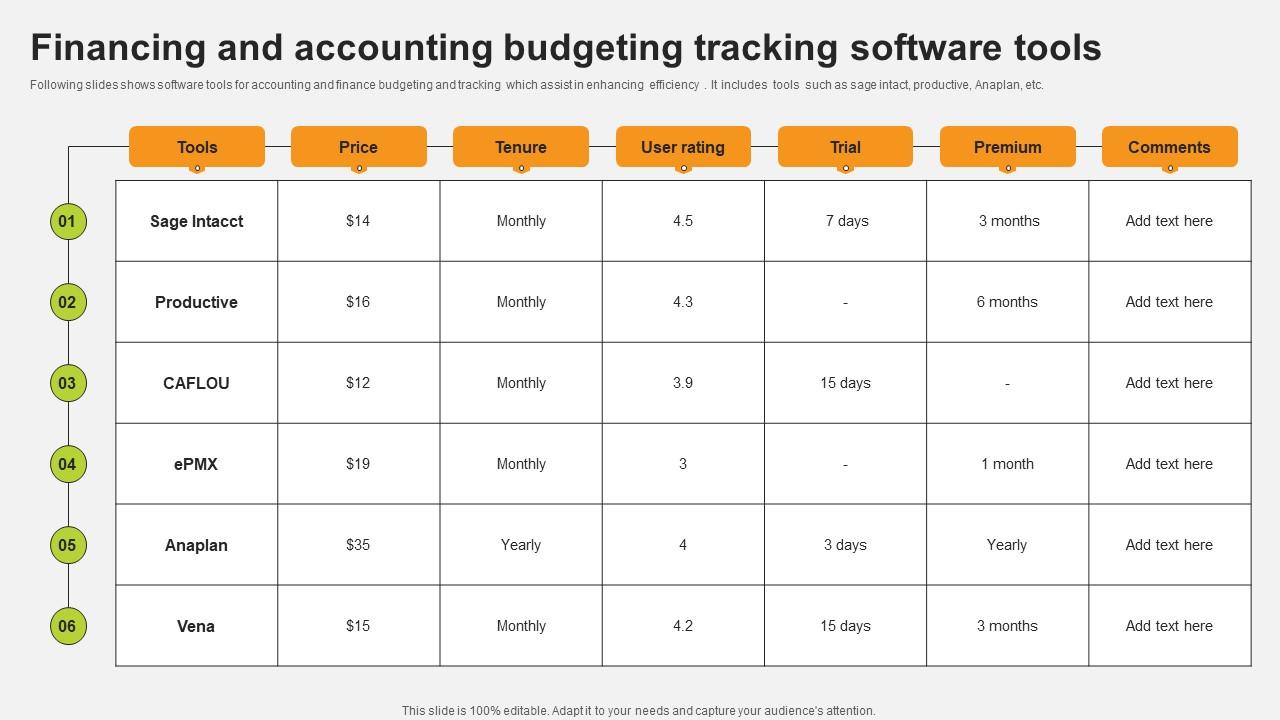
There are numerous financial management tools available, each with unique features that cater to different needs. Here are some of the most popular ones:
1. Mint
Mint is one of the most widely used financial management tools. It allows users to connect all their financial accounts in one place, giving them a comprehensive view of their financial situation. Features include budgeting tools, expense tracking, and goal setting. Mint is free to use and offers valuable insights into spending habits.
2. Personal Capital
Personal Capital is ideal for those who want to manage both their everyday finances and long-term investments. It provides a dashboard where users can track investments, monitor spending, and assess retirement goals. The app also offers personalized financial advice and helps users make informed decisions about their money.
3. QuickBooks
QuickBooks is a powerful tool for small businesses and freelancers. It helps manage invoices, track expenses, and generate financial reports. QuickBooks also offers payroll management and tax preparation features, making it a one-stop solution for business financials.
4. Acorns
Acorns is great for beginners who want to start investing. It automates savings and investment contributions, helping users build wealth over time. The app also offers financial education resources and personalized investment advice.
5. Tiller Money
Tiller Money is a budgeting tool that integrates with Google Sheets, allowing users to customize their financial tracking. It offers advanced analytics and forecasting capabilities, making it suitable for those who want more control over their financial data.
6. Quicken
Quicken is a comprehensive personal finance tool that helps users track income, manage budgets, and plan for the future. It includes features such as bill reminders, credit score tracking, and investment portfolio management.
7. TurboTax
TurboTax is primarily a tax preparation tool, but it also offers financial management features. Users can track income, manage expenses, and plan for tax obligations. TurboTax simplifies the tax filing process and provides guidance on maximizing deductions.
8. Xero
Xero is a cloud-based accounting software designed for small businesses. It helps manage invoices, track expenses, and generate financial reports. Xero also offers payroll management and integration with third-party apps.
9. Expensify
Expensify is ideal for professionals who need to track business expenses. It allows users to scan receipts, categorize expenses, and submit them for reimbursement. The app also syncs with bank accounts and provides real-time expense tracking.
10. GoodBudget (formerly Easy Envelope Budget Aid)
GoodBudget is a budgeting tool that uses the envelope system to help users stay within their limits. It allows multiple users to access the same budget, making it useful for couples or families. The app also provides detailed reports on spending habits.
Choosing the Right Tool for You
With so many financial management tools available, it’s important to choose one that aligns with your specific needs. Consider factors such as:
– Ease of use: Is the tool intuitive and user-friendly?
– Features: Does it offer the functionality you need?
– Cost: Are there any subscription fees or hidden charges?
– Integration: Can it connect with your bank accounts and other financial services?
– Security: Is your data protected?
By evaluating these factors, you can find a tool that fits your lifestyle and financial goals.
Conclusion
Financial management tools are invaluable for anyone looking to take control of their finances. They simplify budgeting, track expenses, and provide insights that help users make informed decisions. Whether you’re managing personal finances or running a business, there’s a tool out there that can help you achieve your financial goals.
[IMAGE: Financial management tools for budgeting and tracking]