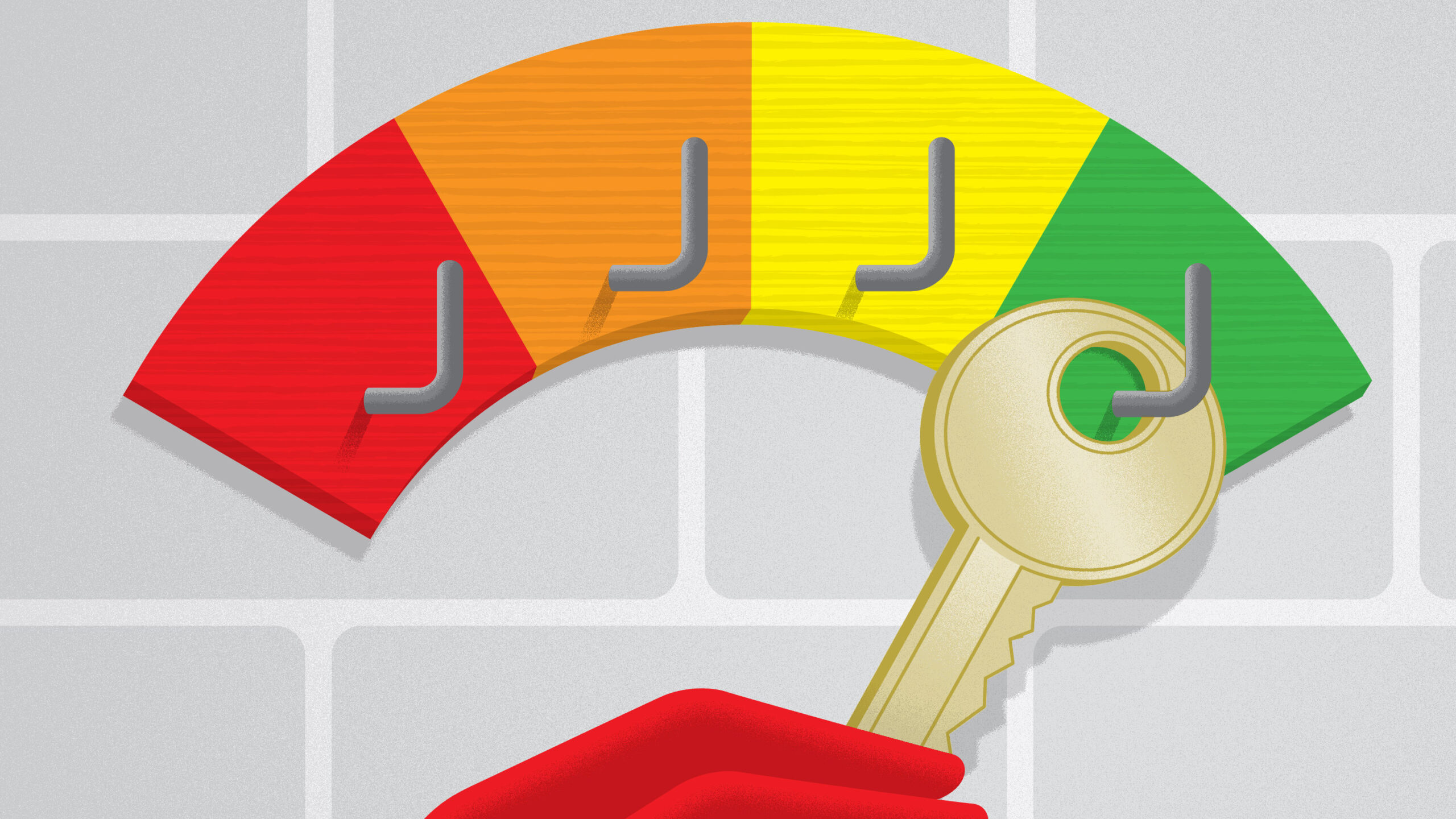
How to Improve Your Credit Score: Proven Tips for Better Financial Health
Your credit score is one of the most important factors that determine your financial health. It affects everything from your ability to get a loan to the interest rates you’ll pay on credit cards and mortgages. If your credit score is low, it can be challenging to achieve your financial goals. However, there are several proven strategies you can use to improve your credit score over time.
The Easiest Ways to Improve Your Credit Score
1. Report Rent Payments
If you’re renting, you may not realize that your rent payments can help boost your credit score. Services like Experian Credit Boost allow you to report your rent payments to credit bureaus, which can increase your score by an average of 13 points. You can start this process by signing up for an Esusu account and linking your rental payments.
2. Increase Credit Card Limits

Requesting a credit limit increase on your existing credit cards can help lower your credit utilization rate, which is a key factor in your credit score. However, it’s important to avoid using the extra credit. Instead, keep your balances low to maintain a healthy credit profile.
3. Avoid Closing Credit Cards

Closing credit cards can negatively impact your credit score, especially if they have a long history. Keep your accounts open, even if you don’t use them regularly. This helps maintain a longer credit history and improves your overall creditworthiness.
Next Easiest Steps to Improve Your Credit Score

1. Keep Credit Card Usage Below 30%
Your credit utilization rate — the percentage of your available credit you’re using — plays a significant role in your credit score. Aim to keep your usage below 30% of your total credit limit. If you’re currently over this threshold, work to pay down your balances as quickly as possible.
2. Pay Medical Bills on Time
Medical bills can quickly turn into collections if not paid on time, which can severely damage your credit score. Set up automatic payments or contact your healthcare provider to request a payment plan if needed. Even small co-pays should be paid promptly to avoid negative marks on your credit report.
3. Monitor Your Credit Report

Regularly checking your credit report can help you identify any errors or inaccuracies that may be affecting your score. You’re entitled to a free credit report from each of the three major credit bureaus once per year. Use this opportunity to review your report and dispute any issues you find.
More Effort, But Helps
1. Negotiate Medical Bills
If you’re facing large medical bills that you can’t afford to pay in full, reach out to your healthcare provider to negotiate a payment plan or request a reduction in the bill. Many providers are willing to work with patients who are experiencing financial hardship.
2. Consider Debt Consolidation

If you have multiple high-interest debts, consider consolidating them into a single, lower-interest loan. This can help reduce your monthly payments and improve your credit utilization rate. Use a personal loan calculator to estimate your monthly payments and choose the best repayment term for your situation.
3. Build an Emergency Fund

Having an emergency fund can help you avoid taking on unnecessary debt during unexpected financial challenges. Start by setting aside a small amount each month, even if it’s just a few dollars. Over time, this fund can provide a safety net and help you maintain financial stability.
Additional Tips for Financial Health

1. Create a Budget
Creating a budget can help you track your income and expenses, making it easier to manage your money effectively. Use your budget to identify areas where you can cut back and allocate more funds toward paying off debt or building savings.
2. Avoid Unnecessary Debt

While it’s sometimes necessary to take on debt, it’s important to be mindful of the types of debt you accumulate. Avoid applying for credit unless it’s absolutely necessary, and always compare offers to ensure you’re getting the best deal.
3. Stay Informed
Stay informed about changes in credit scoring models and financial regulations that may affect your credit score. Understanding how your credit score is calculated can help you make better financial decisions and improve your credit over time.
By following these proven strategies, you can take control of your financial future and improve your credit score. Remember, improving your credit is a gradual process, but with consistent effort and smart financial habits, you can achieve better financial health and unlock new opportunities.