The Ultimate Guide to Estate Planning: Protect Your Assets and Loved Ones
Estate planning is a critical, yet often overlooked, aspect of financial and personal preparation. It involves creating a structured plan for managing your assets and ensuring your wishes are respected after you pass away or become incapacitated. While it may seem daunting, proper estate planning can provide peace of mind for you and your loved ones, avoiding unnecessary legal battles, financial strain, and emotional turmoil.
Why Estate Planning Matters
Failing to plan for the future can lead to significant complications for your family. Without a clear plan, your assets may be distributed according to state laws rather than your personal preferences. This can result in conflicts among family members, delays in asset distribution, and even the loss of valuable property. Additionally, not having a plan in place means your loved ones may have to navigate complex legal processes during an already difficult time.
Estate planning is not just about wealth; it’s about protecting your legacy and ensuring that your values, wishes, and responsibilities are honored. Whether you’re a young professional, a parent, or someone with substantial assets, estate planning is essential for everyone.
Key Components of a Comprehensive Estate Plan
Creating a solid estate plan involves several key elements. Here’s a breakdown of the most important components:
1. Write a Will
A will is the foundation of any estate plan. It is a legal document that outlines how you want your assets distributed after your death. A will also allows you to name guardians for minor children and specify your wishes regarding funeral arrangements and charitable donations. Without a valid will, your assets may be distributed according to state intestacy laws, which may not reflect your desires.
2. Consider a Revocable Living Trust

A revocable living trust offers additional benefits beyond a will. By transferring your assets into a trust, you can avoid the probate process, which can be time-consuming and costly. Trusts also provide more privacy, as they are not part of public record. They allow for immediate distribution of assets to beneficiaries and can help reduce potential family conflicts.
3. Name Powers of Attorney
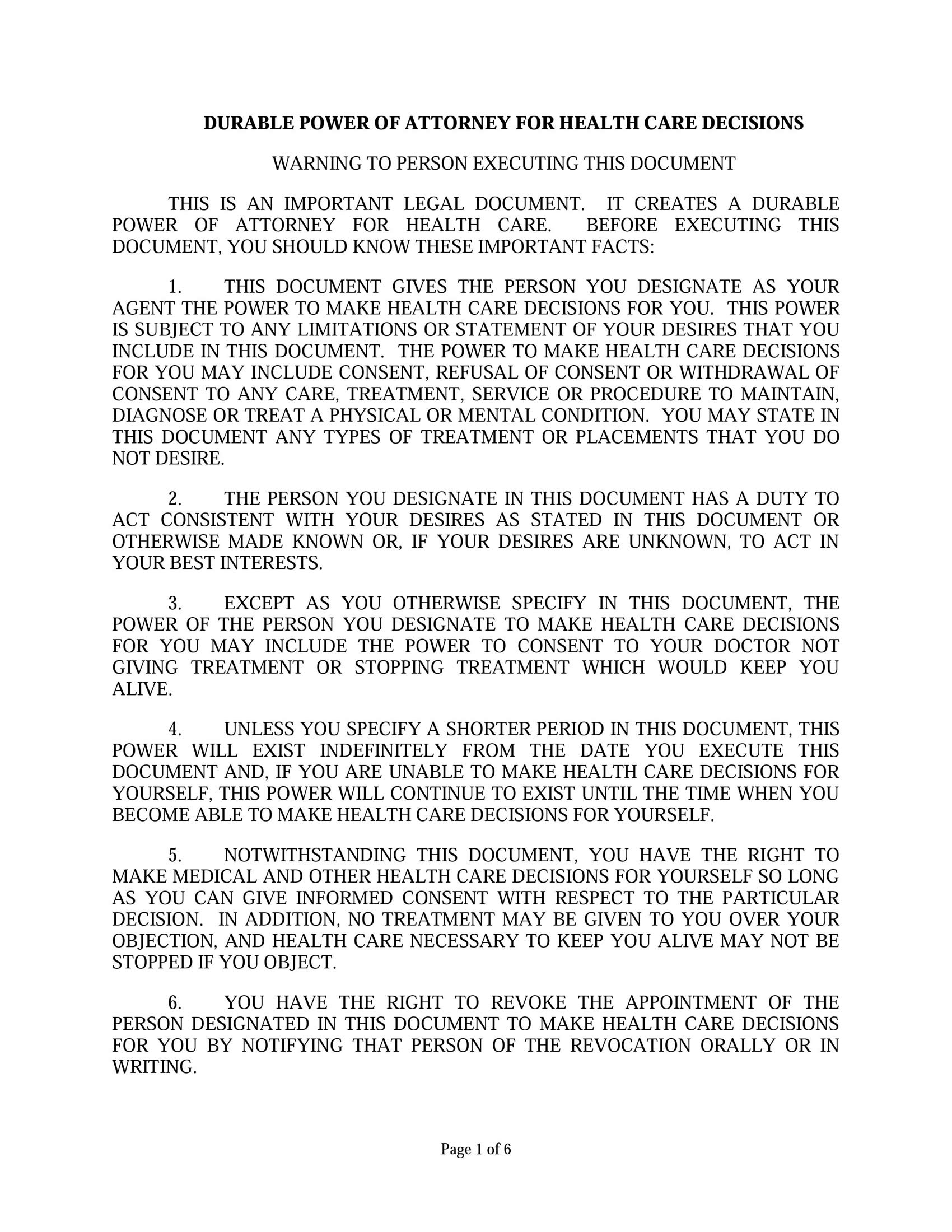
Designating powers of attorney ensures that someone you trust can make legal, financial, and healthcare decisions on your behalf if you become incapacitated. A durable power of attorney for healthcare covers medical matters, while a durable power of attorney for finances handles your assets and legal affairs.
4. Create Advance Healthcare Directives

Advance healthcare directives, such as a living will, outline your preferences for medical treatment in case of terminal illness or permanent unconsciousness. These documents ensure that your wishes are followed, relieving your loved ones from the burden of making difficult decisions during an emotional time.
5. Name a Digital Executor
In today’s digital age, it’s crucial to address your online presence. A digital executor has the authority to manage your digital assets, including social media accounts, email, and online banking. This ensures that your digital footprint is handled according to your wishes.
6. Keep Beneficiary Designations Updated
Life changes frequently, and so should your estate plan. Major life events such as marriage, divorce, birth, or death should trigger a review of your beneficiary designations. Failure to update these can result in assets being distributed to unintended recipients.
7. Store Documents Safely
Once your estate plan is in place, it’s important to store your documents securely. Consider keeping physical copies in a safe place and digital copies in a password-protected online storage account. Make sure your executor or trusted individual knows where to find these documents.
Steps to Get Started with Estate Planning

If you’re new to estate planning, here are some steps to help you get started:
- List all your assets: Include real estate, bank accounts, investments, and sentimental items.
- List all your debts: This includes loans, credit card balances, and other obligations.
- Review retirement accounts: Ensure that beneficiary information is up-to-date.
- Review insurance policies: Confirm that your beneficiaries are correctly listed.
- Set up joint accounts or transfer of death designations: These can help avoid probate.
- Choose an estate administrator: Select someone you trust to manage your affairs.
- Write your will: Clearly outline your wishes for asset distribution and guardianship.
- Review your documents regularly: Update your plan as your circumstances change.
- Consult a professional: An experienced estate planner can help tailor your plan to your specific needs.
Common Misconceptions About Estate Planning

There are several myths surrounding estate planning that can prevent people from taking action. Here are a few common misconceptions:
-
Myth: Estate planning is only for the wealthy
Reality: Everyone, regardless of their net worth, should have an estate plan. It ensures that your wishes are respected and protects your loved ones. -
Myth: A will is enough
Reality: While a will is essential, it’s just one part of a comprehensive estate plan. Other components like trusts, powers of attorney, and healthcare directives are equally important. -
Myth: Estate planning is too expensive
Reality: There are affordable options available, including online will makers and legal aid services. The cost of not planning can be far greater.
Final Thoughts
Estate planning is a vital step in securing your legacy and providing for your loved ones. It’s never too early to start, and it’s an ongoing process that should evolve with your life circumstances. By taking the time to create a well-structured estate plan, you can ensure that your assets are protected, your wishes are honored, and your family is prepared for the future.
Whether you choose to work with an estate planning professional or use online tools, the key is to take action. Don’t let fear or procrastination stand in the way of securing your future. With the right plan in place, you can rest easy knowing that your affairs will be managed exactly as you intend.