Understanding the Needs and Financial Strategies of High Net Worth Individuals
High net worth individuals (HNWIs) represent a unique segment of society, characterized by their substantial financial resources and complex wealth management needs. These individuals often require tailored financial strategies to preserve, grow, and transfer their assets effectively. Understanding the specific needs and financial strategies of HNWIs is crucial for financial institutions, advisors, and service providers aiming to serve this elite group.
Who Are High Net Worth Individuals?
A high-net-worth individual (HNWI) is typically defined as someone with liquid assets exceeding $1 million, excluding their primary residence. This definition can vary depending on the institution or regulatory body. For instance, the U.S. Securities and Exchange Commission (SEC) defines an HNWI as a person who is either a “qualified client” under rule 205-3 of the Advisers Act or a “qualified purchaser” as defined in section 2(a)(51)(A) of the Investment Company Act of 1940.
In addition to HNWIs, there are also very-high-net-worth individuals (VHNWIs) and ultra-high-net-worth individuals (UHNWIs), with thresholds set at $5 million and $30 million in investable assets, respectively. These distinctions are important for understanding the different levels of service and investment opportunities available to each group.
Key Financial Needs of HNWIs
-
Wealth Preservation: HNWIs often prioritize preserving their wealth against inflation, market volatility, and economic downturns. This involves diversifying investments across various asset classes such as stocks, bonds, real estate, and alternative investments like private equity and hedge funds.
-
Estate Planning: Effective estate planning is essential for HNWIs to ensure that their wealth is transferred efficiently to future generations. This includes setting up trusts, wills, and other legal instruments to minimize tax liabilities and protect assets from potential disputes.
-
Tax Optimization: Given their significant wealth, HNWIs often seek strategies to optimize their tax obligations. This may involve utilizing offshore accounts, tax-deferred retirement plans, and charitable giving to reduce their overall tax burden.
-
Risk Management: HNWIs face unique risks, including market fluctuations, geopolitical events, and personal liability. They often work with financial advisors to develop comprehensive risk management strategies that include insurance, hedging, and contingency planning.
-
Lifestyle Management: Beyond financial considerations, HNWIs may also require assistance with lifestyle management, including luxury goods, travel, and personal services. This can involve concierge services, private aviation, and exclusive memberships.
Financial Strategies for HNWIs
-
Diversified Investment Portfolios: HNWIs typically maintain diversified investment portfolios to mitigate risk and maximize returns. This may include a mix of traditional and alternative investments, such as equities, fixed income, real estate, and commodities.
-
Private Banking Services: Many HNWIs opt for private banking services, which offer personalized financial solutions, including customized investment advice, wealth management, and access to exclusive investment opportunities.
-
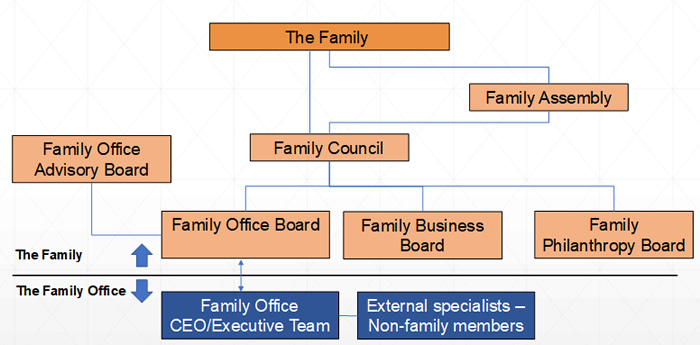
Family Office Structures: For those with substantial wealth, establishing a family office can provide a centralized approach to managing their financial affairs. Family offices handle various aspects of wealth management, including investment, estate planning, and lifestyle management.
-
Philanthropy and Charitable Giving: HNWIs often engage in philanthropy as a way to give back to the community and create a lasting legacy. This can involve setting up charitable foundations, making donations, and supporting various social causes.
-
Global Wealth Management: Given the global nature of their assets, HNWIs may require expertise in international wealth management. This includes navigating different tax regimes, understanding foreign investment regulations, and managing cross-border transactions.
The Role of Financial Institutions
Financial institutions play a critical role in serving the needs of HNWIs. They offer specialized services, such as wealth management, private banking, and investment advisory, tailored to meet the unique requirements of this group. These institutions must also adhere to strict regulatory standards, including anti-money laundering (AML) and know-your-customer (KYC) requirements, to ensure compliance and protect their clients’ interests.
Conclusion
High net worth individuals have distinct financial needs and require sophisticated strategies to manage their wealth effectively. From wealth preservation and estate planning to tax optimization and risk management, HNWIs rely on expert guidance to navigate the complexities of their financial lives. As the number of HNWIs continues to grow, financial institutions and advisors must remain agile and innovative to meet the evolving demands of this elite segment.