Understanding Anti-Social Humor: Trends, Controversies, and Cultural Impact
In a world where social interactions are often seen as the norm, there’s a growing segment of society that finds comfort in solitude. This preference for being alone is not just about introversion; it’s a lifestyle choice that many embrace with pride. Enter anti-social humor—a form of comedy that resonates deeply with those who prefer their own company over the chaos of social gatherings. This article delves into the phenomenon of anti-social humor, exploring its trends, controversies, and cultural impact.
The Rise of Anti-Social Humor
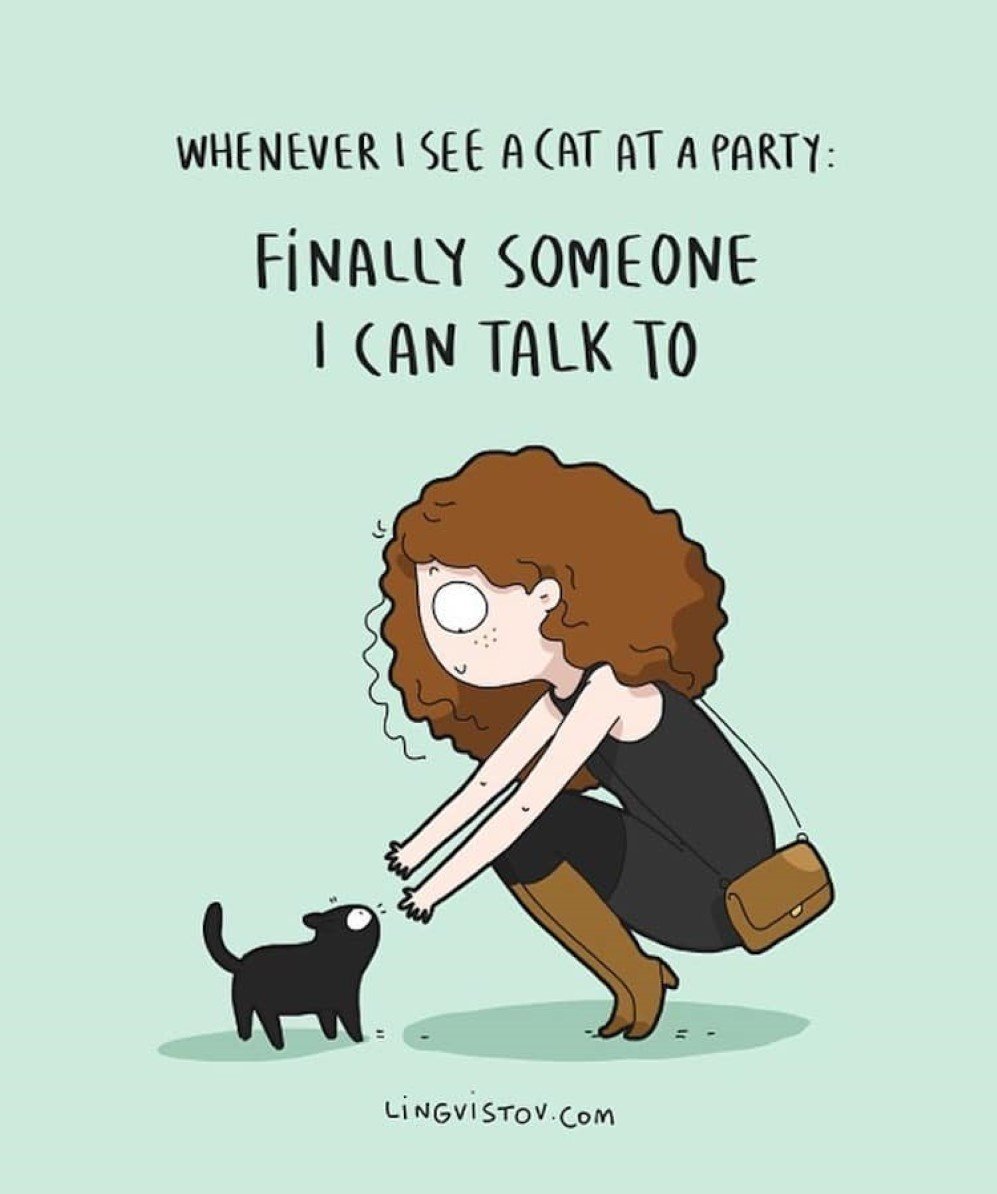
Anti-social humor has gained traction in recent years, particularly among younger generations who value personal space and individuality. It’s a genre of comedy that celebrates the joys of solitude and the absurdities of social interactions. Memes, jokes, and other forms of humor that highlight the struggles of navigating crowded spaces or the relief of a canceled plan have become increasingly popular.
These humorous expressions often reflect a shared experience among individuals who find traditional social settings draining. They resonate with the idea that sometimes, the best way to cope with the stress of modern life is to retreat into one’s own world. The humor here isn’t about mocking others but rather about finding lightness in the everyday challenges of being an introvert.
Understanding the Appeal
The appeal of anti-social humor lies in its relatability. For many, the idea of avoiding social engagements is not a sign of being antisocial but rather a conscious choice to prioritize mental well-being. This form of humor allows individuals to express their preferences without judgment, creating a sense of community among those who share similar values.
Moreover, anti-social humor often serves as a coping mechanism. It provides a way to laugh at the absurdity of situations that might otherwise be stressful. Whether it’s the dread of a phone call or the relief of a canceled plan, these moments of humor can offer a much-needed respite from the pressures of daily life.
Controversies Surrounding Anti-Social Humor
Despite its popularity, anti-social humor is not without controversy. Some critics argue that it perpetuates negative stereotypes about introverts and those who prefer solitude. They suggest that such humor can be seen as dismissive of the importance of social connections and the benefits of human interaction.
Additionally, there are concerns about the potential for anti-social humor to be misinterpreted or taken out of context. What might be a lighthearted joke to one person could be offensive to another, especially if it touches on sensitive topics like mental health or social anxiety.
It’s important to recognize that while anti-social humor can be a source of comfort for many, it should not be used to belittle or exclude others. The key is to maintain a balance between celebrating personal preferences and respecting the diverse needs of all individuals.
Cultural Impact of Anti-Social Humor
The cultural impact of anti-social humor is significant. It reflects a broader shift in societal attitudes towards individuality and personal space. As more people embrace the idea that it’s okay to be different, anti-social humor has become a symbol of this changing perspective.
This form of humor also highlights the evolving nature of comedy itself. Traditional stand-up routines often rely on audience interaction, but anti-social humor challenges this by focusing on the internal experiences of the comedian. It offers a new way to connect with audiences, emphasizing authenticity and vulnerability over conventional comedic tropes.
Furthermore, anti-social humor has found a home in digital spaces, where memes and online communities thrive. Platforms like Reddit and Instagram have become hubs for sharing and discussing anti-social humor, allowing individuals to connect over shared experiences and find solace in the knowledge that they are not alone in their preferences.
Conclusion
Anti-social humor is more than just a trend; it’s a reflection of our changing societal values and the increasing recognition of the importance of personal space and individuality. While it may not be everyone’s cup of tea, it holds a special place in the hearts of those who find comfort in solitude. As we continue to navigate the complexities of modern life, it’s essential to appreciate the diverse ways in which people find joy and meaning, whether through social interactions or the simple pleasure of being alone.