
The Ultimate Guide to Bitcoin Investment: How to Start and Grow Your Crypto Portfolio
Bitcoin has emerged as a revolutionary financial asset, offering individuals the opportunity to build wealth through digital innovation. As one of the most prominent cryptocurrencies, Bitcoin’s potential for long-term gains has attracted both seasoned investors and newcomers alike. However, understanding how to invest in Bitcoin effectively requires knowledge, strategy, and careful planning. This guide provides a comprehensive overview of Bitcoin investment, covering key strategies, risks, and essential steps to help you start and grow your crypto portfolio.
Understanding Bitcoin Investment
Bitcoin is a decentralized digital currency that operates on a peer-to-peer network, eliminating the need for intermediaries like banks. Unlike traditional assets, Bitcoin’s value is determined by market demand, supply, and adoption. Its limited supply (21 million coins) makes it unique, as it cannot be inflated by central authorities. This scarcity, combined with its growing acceptance as a store of value and medium of exchange, has driven significant interest from investors.
Investing in Bitcoin involves purchasing and holding the cryptocurrency, either directly or through various financial instruments. The goal is to capitalize on price appreciation over time, whether through long-term holding, strategic trading, or other investment methods.
Key Reasons to Invest in Bitcoin

- Hedge Against Inflation: Bitcoin’s fixed supply makes it resistant to inflation, unlike fiat currencies that can be devalued by government policies.
- High Potential Returns: Historically, Bitcoin has shown substantial growth, with many investors seeing significant profits over time.
- Decentralization and Security: Bitcoin’s blockchain technology ensures transparency and security, making it a reliable investment option.
- Growing Adoption: Increasing acceptance by institutions, merchants, and governments enhances Bitcoin’s credibility and utility.
Types of Bitcoin Investment

There are several ways to invest in Bitcoin, each with its own advantages and considerations:
1. Buying the Asset
This is the most straightforward method. Investors purchase Bitcoin directly on exchanges such as Binance, Coinbase, or Kraken. Once bought, the cryptocurrency can be stored in a wallet for long-term holding or traded on the open market.
2. Investing in Bitcoin Funds

Bitcoin funds, such as the Grayscale Bitcoin Trust (GBTC), allow investors to gain exposure to Bitcoin without directly owning the cryptocurrency. These funds are often used by institutional investors and can be traded on stock exchanges.
3. Investing in Companies That Own Bitcoin

Some publicly traded companies, like Tesla and MicroStrategy, hold Bitcoin in their treasuries. By investing in these companies, investors indirectly benefit from Bitcoin’s price movements.
Top Bitcoin Investment Strategies

Choosing the right investment strategy is crucial for maximizing returns and managing risks. Here are some of the most effective strategies:
1. Lump-Sum Investing
This strategy involves investing a large amount of money at once. It is ideal for those who have a significant sum to invest and believe in Bitcoin’s long-term potential. Even if purchased at a high price, Bitcoin has historically recovered and surpassed previous highs.
2. Dollar-Cost Averaging (DCA)

DCA involves investing a fixed amount regularly, regardless of Bitcoin’s price. This approach helps mitigate the impact of market volatility and reduces the risk of buying at a peak. For example, investing $100 monthly allows investors to accumulate more Bitcoin during price dips.
3. Swing Trading

Swing trading involves buying Bitcoin during price dips and selling when the price rises. This strategy requires monitoring market trends and timing entries and exits carefully. It is suitable for investors who want to take advantage of short-term price fluctuations.
4. Day Trading
Day trading focuses on profiting from short-term price movements within a single day. This strategy demands active monitoring of market conditions, technical analysis, and quick decision-making. It is best suited for experienced traders with a deep understanding of Bitcoin’s dynamics.
Tips for Successful Bitcoin Investment
- Do Not Borrow Money for Short-Term Gains: Avoid using debt to invest in Bitcoin, as the market is highly volatile and unpredictable.
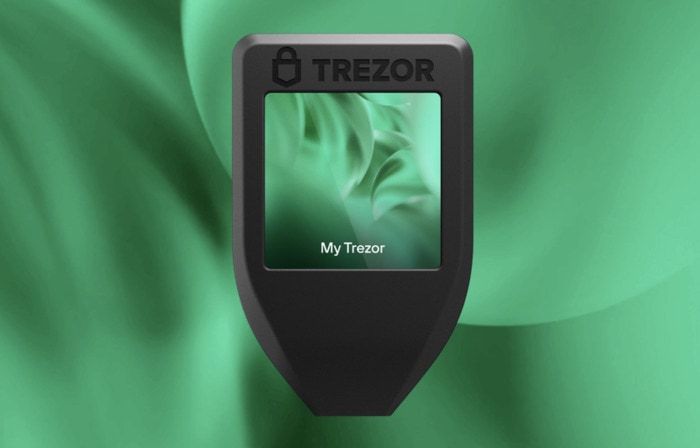
- Store Long-Term Holdings Safely: Use hardware wallets like Ledger or Trezor to protect your Bitcoin from hacking and theft.
- Avoid Publicly Disclosing Holdings: Keep your Bitcoin portfolio private to reduce the risk of becoming a target for hackers.
- Stay Informed: Continuously educate yourself about Bitcoin’s technology, market trends, and regulatory developments.
Risks of Bitcoin Investment
While Bitcoin offers exciting opportunities, it is not without risks. Some of the key risks include:
- Volatility: Bitcoin’s price can fluctuate dramatically in a short period, leading to potential losses.
- Security Risks: Exchanges and wallets can be vulnerable to hacks, resulting in the loss of funds.
- Regulatory Uncertainty: Changes in regulations can impact Bitcoin’s value and usability.
Conclusion
Bitcoin investment offers a unique opportunity to participate in the future of finance. Whether you choose to hold Bitcoin long-term, trade strategically, or invest through alternative vehicles, understanding the market and adopting a sound strategy is essential. By staying informed, managing risks, and making educated decisions, you can position yourself to benefit from Bitcoin’s potential for growth. As the cryptocurrency landscape continues to evolve, Bitcoin remains a compelling asset for those willing to navigate its complexities.