The Ultimate Guide to Understanding Car Insurance: Types, Costs & Tips
Car insurance is a critical component of responsible vehicle ownership in the United States. It provides financial protection against unexpected events such as accidents, theft, and damage. While most states require at least liability coverage, the specifics of what you need and how much it costs can vary widely. This guide will walk you through the essentials of car insurance, including the types of coverage available, factors that influence your premium, and tips for saving money.
What Is Car Insurance?
Car insurance is a contract between you and an insurance company that protects you financially in the event of an accident, theft, or other covered incidents. In exchange for paying a premium, your insurer agrees to cover certain expenses related to your vehicle. Most policies include liability coverage, which pays for damages you cause to others, as well as physical damage coverage for your own vehicle.
Key Components of Car Insurance

- Liability Coverage: Required in most states, this covers damages you cause to others.
- Collision Coverage: Pays for repairs to your vehicle after an accident.
- Comprehensive Coverage: Covers non-collision incidents like theft, vandalism, and natural disasters.
- Uninsured/Underinsured Motorist Coverage: Protects you if you’re involved with a driver who doesn’t have sufficient insurance.
- Medical Payments Coverage (MedPay): Helps pay for medical expenses for you and your passengers.
- Personal Injury Protection (PIP): Available in no-fault states, this covers medical expenses and lost wages regardless of fault.
How Much Does Car Insurance Cost?
The average annual cost of car insurance in the U.S. is around $2,012, but this can vary significantly based on several factors:
- Age and Gender: Younger drivers typically pay more due to higher risk.
- Driving Record: A clean record can lead to lower premiums.
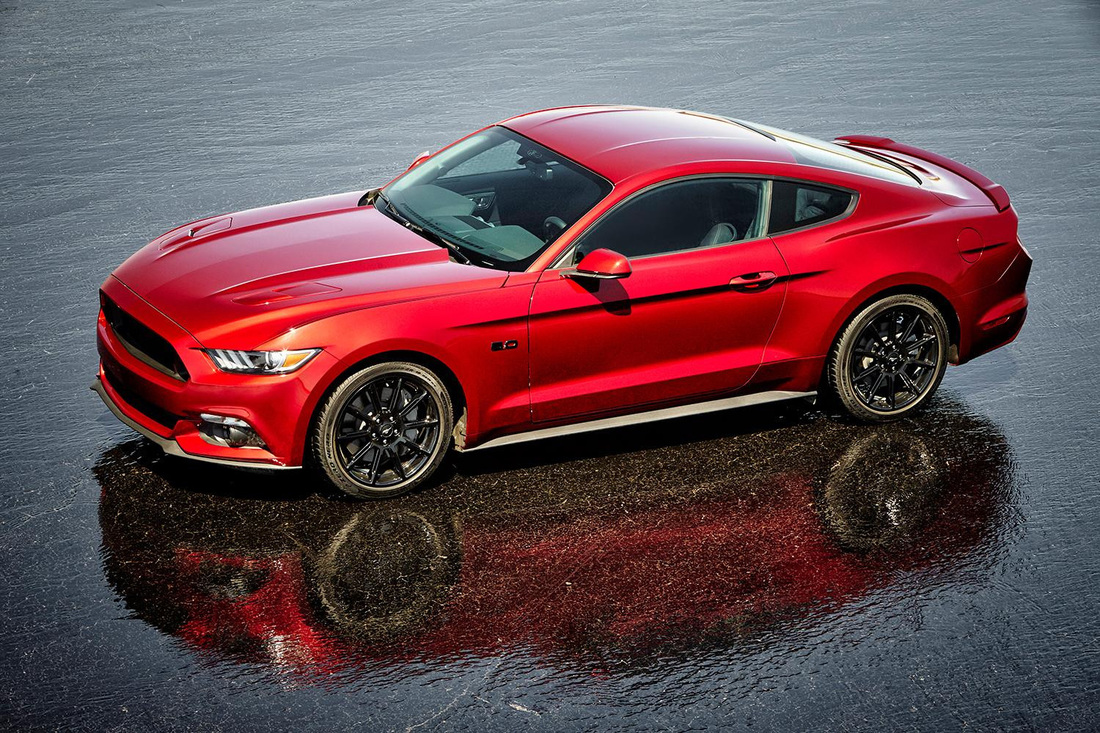
- Vehicle Type: More expensive or high-performance cars often cost more to insure.
- Location: Urban areas tend to have higher rates due to increased risk of accidents and theft.
- Credit Score: Many insurers use credit-based insurance scores to determine rates.
- Coverage Limits and Deductibles: Higher limits and lower deductibles generally mean higher premiums.
What Does Car Insurance Cover?
Your policy’s coverage depends on the types of insurance you choose. Here are some common coverages:
Liability Coverage
- Bodily Injury Liability: Covers medical expenses for others injured in an accident you caused.
- Property Damage Liability: Covers repair or replacement of damaged property, including other vehicles.
Collision Coverage
- Covers damage to your vehicle from collisions with other vehicles or objects.
Comprehensive Coverage
- Covers non-collision incidents like theft, vandalism, and weather-related damage.
Uninsured/Underinsured Motorist Coverage
- Protects you if you’re hit by a driver without sufficient insurance.
Medical Payments Coverage (MedPay)
- Helps pay for medical expenses for you and your passengers after an accident.
Personal Injury Protection (PIP)
- Available in no-fault states, this covers medical expenses and lost wages regardless of fault.
What Doesn’t Car Insurance Cover?

While car insurance offers significant protection, there are limitations:
- Normal Wear and Tear: Routine maintenance like oil changes or tire rotations aren’t covered.
- Custom Parts and Modifications: Unless you purchase additional coverage, custom parts may not be protected.
- Intentional Damage: Deliberate harm to your vehicle isn’t covered.
- Rideshare Driving: Standard policies don’t cover rideshare activities unless you add specific coverage.
Tips for Saving on Car Insurance
- Shop Around: Compare quotes from multiple insurers to find the best rate.
- Increase Your Deductible: A higher deductible can lower your premium, though it means you’ll pay more out of pocket if you file a claim.
- Maintain a Good Driving Record: Avoiding accidents and traffic violations can help keep your rates low.
- Take Advantage of Discounts: Many insurers offer discounts for safe driving, bundling policies, or having anti-theft devices.
- Review Your Policy Regularly: As your needs change, so should your coverage.
Conclusion

Car insurance is essential for protecting yourself and your finances in the event of an accident or other covered incident. By understanding the different types of coverage, factors that affect your premium, and ways to save money, you can make informed decisions about your policy. Whether you’re a new driver or looking to switch insurers, taking the time to research and compare options can help you find the right coverage at the best price.