A Comprehensive Guide to Commodities Trading: Strategies, Risks, and Opportunities
Commodities trading is a vital component of the global financial system, offering investors and businesses opportunities to hedge against inflation, diversify portfolios, and capitalize on price fluctuations. From oil and gold to agricultural products like corn and wheat, commodities are raw materials that form the backbone of industries and economies. This guide explores the fundamentals of commodities trading, including its types, strategies, risks, and the role of key exchanges.
Understanding Commodities
Commodities are natural or agricultural goods that are interchangeable with others of the same type. They are uniform in quality and produced in large quantities by multiple producers. Examples include crude oil, gold, copper, coffee, and wheat. The key characteristic of commodities is their fungibility—meaning one unit of a commodity is essentially the same as another, regardless of the source.
Types of Commodities
There are three primary categories of commodities:
-
Agricultural Commodities: These include crops like corn, wheat, soybeans, and livestock such as cattle and hogs. Agricultural commodities are essential for food production and are influenced by factors like weather, crop yields, and global demand.
-
Energy Commodities: Energy commodities consist of oil, natural gas, and coal. These resources power transportation, manufacturing, and electricity generation. Prices are often affected by geopolitical events, supply disruptions, and economic growth.
-
Metals Commodities: Precious metals like gold and silver, along with industrial metals such as copper and aluminum, fall into this category. Metals are used in jewelry, electronics, and construction, making them critical to both consumer and industrial sectors.
How Commodities Are Traded

Commodities are traded on specialized exchanges, where buyers and sellers negotiate prices for physical goods or derivatives contracts. The most prominent U.S. exchanges include the New York Mercantile Exchange (NYMEX), the Chicago Mercantile Exchange (CME), and the Chicago Board of Trade (CBOT). These platforms facilitate trading through spot markets, where commodities are bought and sold for immediate delivery, and derivatives markets, which involve futures and options contracts.
Futures and Options Contracts
Futures contracts are agreements to buy or sell a commodity at a predetermined price on a specified future date. These contracts allow producers and consumers to lock in prices and manage risk. Options, on the other hand, give traders the right—but not the obligation—to buy or sell a commodity at a set price within a specific timeframe. Both instruments are widely used for hedging and speculation.
Risks and Rewards of Commodities Trading
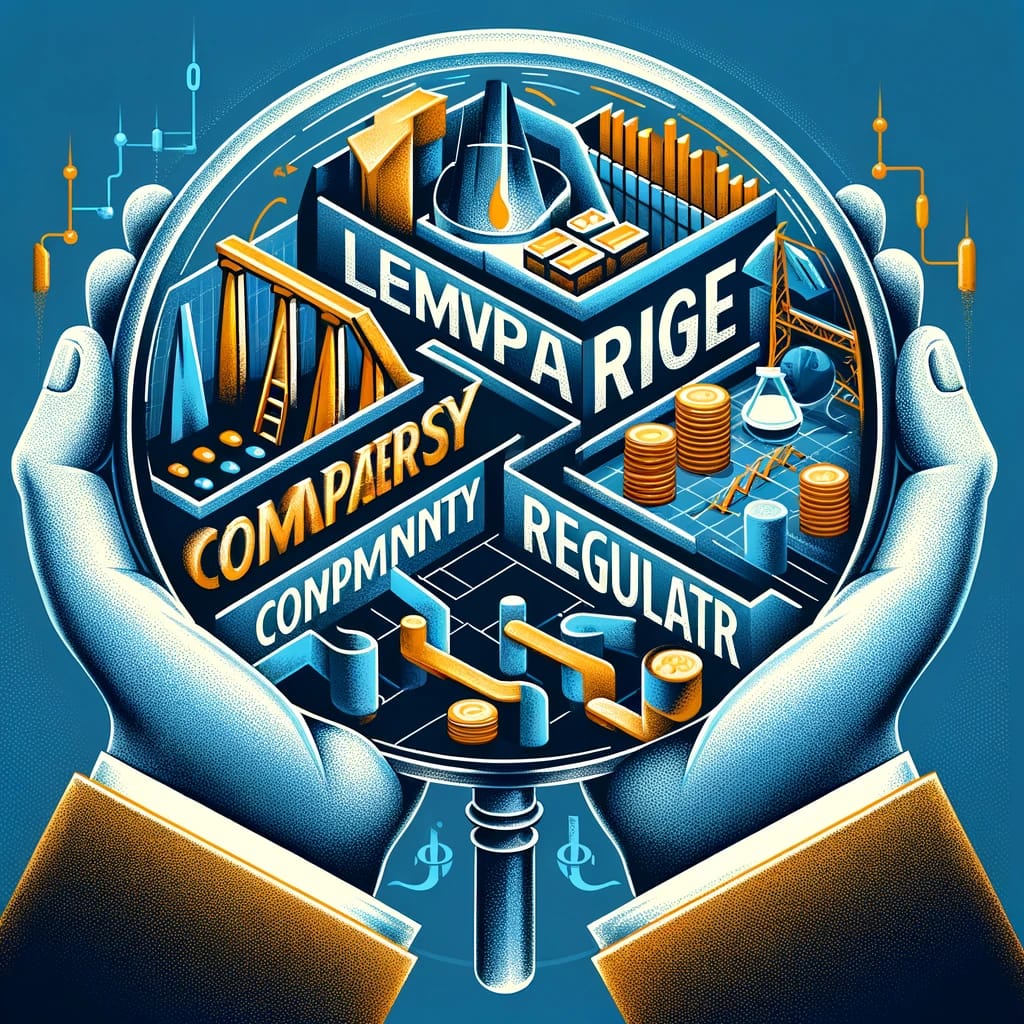
Commodities trading offers significant opportunities but also comes with inherent risks. Here are some key considerations:
Opportunities
- Inflation Hedge: Commodities often rise in value during periods of high inflation, making them a valuable tool for protecting purchasing power.
- Portfolio Diversification: Adding commodities to an investment portfolio can reduce overall risk, as their prices may move differently from stocks and bonds.
- Speculation: Traders can profit from price movements by buying low and selling high, especially in volatile markets.
Risks
- Volatility: Commodities are known for their price swings, which can be influenced by factors like weather, geopolitical tensions, and supply chain disruptions.
- Leverage: Futures trading involves margin, which can amplify both gains and losses.
- Market Manipulation: Although regulated, there is always a risk of price manipulation, particularly in less liquid markets.
Strategies for Successful Commodities Trading

To navigate the complexities of commodities trading, investors should adopt sound strategies:
1. Research and Analysis
Stay informed about global events, economic indicators, and industry trends that affect commodity prices. For example, changes in OPEC policies can impact oil prices, while droughts can influence agricultural commodity values.
2. Diversification
Avoid overexposure to a single commodity by spreading investments across different asset classes. ETFs and mutual funds provide diversified exposure without the need to trade individual commodities.
3. Risk Management
Use stop-loss orders and position sizing to limit potential losses. Hedging with futures contracts can also help mitigate price volatility.
4. Long-Term vs. Short-Term Approaches
Decide whether to focus on long-term trends or short-term price movements. Long-term investors may benefit from holding physical commodities or ETFs, while short-term traders might prefer futures and options.
Key Players in the Commodities Market

The commodities market involves a range of participants, including:
- Producers: Farmers, miners, and oil companies who supply commodities.
- Consumers: Businesses and individuals who use commodities in their operations or daily lives.
- Traders: Speculators and arbitrageurs who buy and sell commodities for profit.
- Regulators: Bodies like the Commodity Futures Trading Commission (CFTC) that ensure fair and transparent trading practices.
Conclusion

Commodities trading is a dynamic and complex field that offers both challenges and rewards. Whether you’re a seasoned investor or a beginner, understanding the basics of commodities, the role of exchanges, and effective trading strategies is essential. By staying informed and managing risks carefully, traders can harness the potential of commodities to build resilient and diversified portfolios.
As the global economy continues to evolve, the importance of commodities trading will only grow, making it a critical area of study for anyone interested in finance and investment. With the right knowledge and approach, commodities can be a powerful tool for achieving financial goals.