Stay Updated: The Latest Financial News You Can’t Afford to Miss
In an era where financial landscapes are constantly evolving, staying informed is more critical than ever. The latest financial news offers insights into emerging trends, technological advancements, and regulatory shifts that can impact both individuals and businesses. Whether you’re a seasoned investor or just starting out, keeping up with the latest developments can help you make smarter decisions and stay ahead of the curve.
Key Trends Shaping the Financial Sector
Wealthtech Innovations
Wealthtech has emerged as a major driver of innovation in the financial sector. At events like Money 20/20, discussions around wealthtech have highlighted the importance of modernizing core banking systems and enhancing customer experience through digital solutions. From super apps to digital wallets, these innovations aim to provide users with seamless, integrated financial services.
Super apps, which integrate multiple services into a single platform, have gained traction in regions where trust in individual services is low. However, experts caution against a one-size-fits-all approach, emphasizing the need for tailored solutions that align with local market realities. For Generation Z, convenience and integration are key, with many expressing interest in investing if it’s easily accessible within their existing money management apps.
Core Systems Modernization
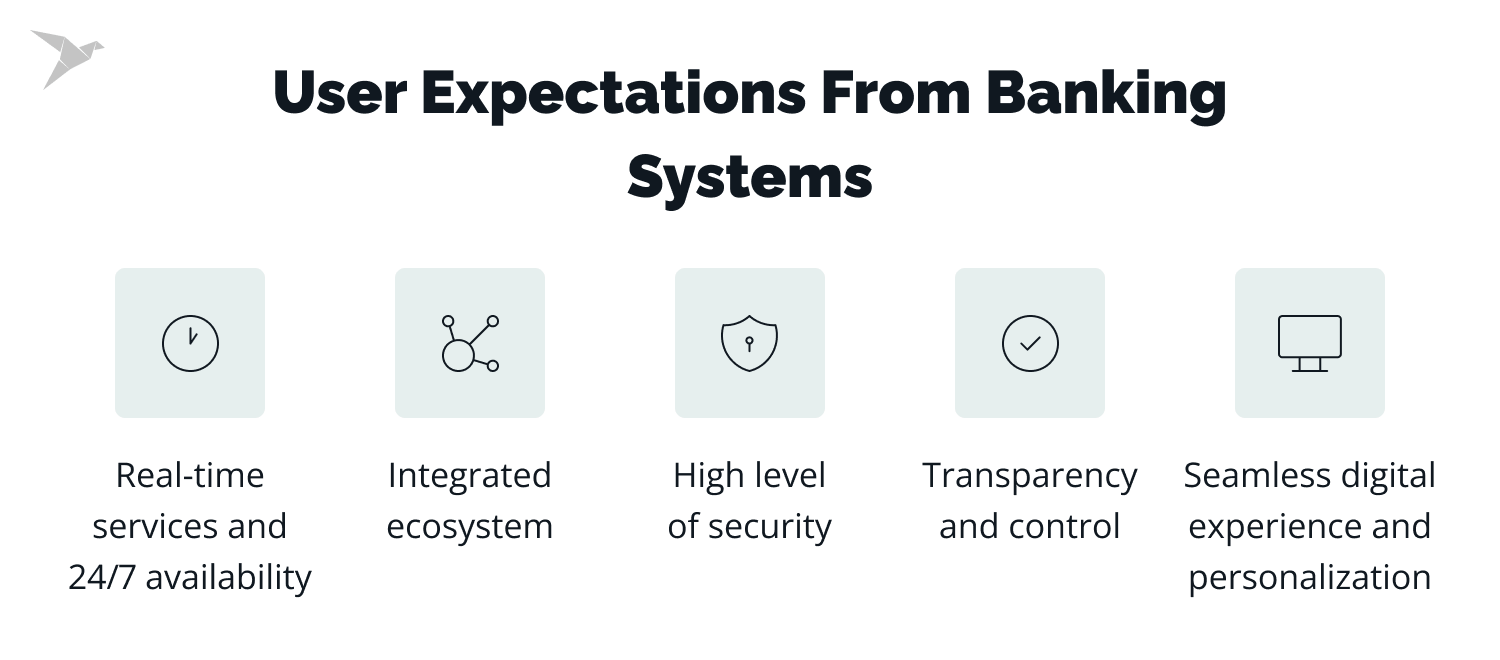
Legacy banking systems remain a significant barrier to innovation and efficiency. Banks must break down monolithic applications into modular microservices and re-architect their core systems to build future-proof services. This modernization not only enhances customer experience but also improves operational efficiency and meets the evolving needs of customers, employees, and stakeholders.
Collaboration with leading technology providers, such as hyperscalers and global fintechs, is crucial for driving digital transformation. A flexible banking technology ecosystem allows institutions to adapt to rapid changes and ensure continuous innovation.
Digital Wallets in the EU

While digital wallets are widely adopted globally, the EU lags behind with only 30-35% adoption. This presents a significant growth opportunity. Account-to-Account (A2A) payments are gaining importance, offering a direct and efficient alternative to traditional methods. Mastercard’s $7 billion investment in fraud prevention underscores the industry’s focus on securing payment systems.
The shift towards real-time payments and the integration of AI and APIs are revolutionizing the digital commerce sector. These technologies enable personalized and convenient payment experiences, making transactions faster and more secure.
Emerging Payment Solutions
Pay by Bank (PBB)
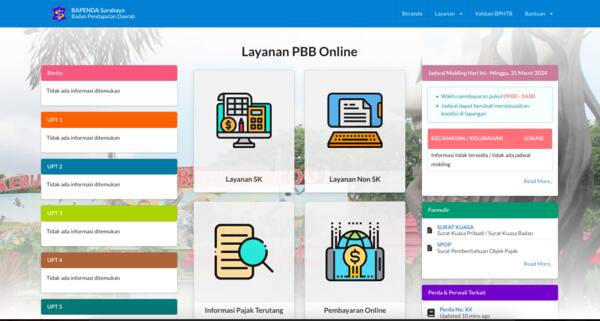
Pay by Bank (PBB) is gaining momentum as a cost-effective alternative to traditional card payments. In 2024, major U.S. retailers are expected to adopt PBB to reduce transaction fees. While PBB offers cost savings and keeps banks competitive, challenges such as consumer unfamiliarity and the need for robust fraud protections remain.
To succeed, PBB must provide consistent user experiences, strong consumer protections, and incentives for repeat use. Learning from card payment systems and collaborating with payment service providers (PSPs) and open banking providers will be crucial in making PBB a mainstream payment method.
Dynamic Currency Conversion (DCC)

Dynamic Currency Conversion (DCC) is another innovation that enhances customer convenience. Aer Lingus’s use of DCC technology allows travelers to book flights and make payments in their preferred currency, offering real-time cost clarity and eliminating exchange rate uncertainties.
Partnerships between financial institutions and technology providers, such as the collaboration between AIB Merchant Services and Fexco, demonstrate the practical benefits of DCC. This technology reduces travel-related financial stress and enhances overall customer satisfaction.
The Rise of Embedded Finance

Buy Now, Pay Later (BNPL)
Buy Now, Pay Later (BNPL) is transforming B2B payments, shifting them from a basic transactional necessity to a strategic value driver. BNPL provides easier access to credit for small and medium-sized enterprises (SMEs), helping them manage their finances more effectively and support their growth.
B2B platforms offering BNPL can differentiate themselves from competitors by providing more flexible payment solutions. This flexibility attracts a broader customer base and increases market share, making BNPL a key strategic tool for B2B businesses aiming to stand out in the market.
Risk Management in Embedded Finance

With the rise of embedded finance, the complexity of fraud risks has increased. Financial institutions must implement robust risk management strategies to protect against threats such as Authorized Push Payment (APP) fraud. Behavioral identification, which involves understanding customer behavior patterns across payment journeys, is now the gold standard for distinguishing between trusted and risky digital transactions.
Effective risk management requires a balance between security and user experience. Financial institutions must invest in advanced technologies and collaborate with industry stakeholders to stay ahead of evolving fraud tactics.
The Future of Open Banking

Open Finance for Financial Inclusion
Open Banking has the potential to enhance financial inclusion by providing access to financial services for underserved populations. ML/AI solutions and Open Banking offer hope for lifting millions out of poverty, fueling growth and wealth. However, ethical considerations must be addressed to ensure fairness, transparency, and reliability in AI-driven financial services.
Regulatory frameworks must evolve to support the adoption of Open Banking while protecting consumer interests. Financial institutions must adhere to new rules to remain compliant and capitalize on opportunities. The concept of Open “Everything” is on the horizon, set to impact all business models across every sector.
The Role of Artificial Intelligence

AI in Fraud Detection
Artificial Intelligence (AI) is playing a crucial role in improving fraud detection. By incorporating AI for tasks like fake ID detection, transaction investigation, and customer onboarding, businesses can significantly reduce fraud losses and improve customer trust.
Large banks are experimenting with Generative AI (GenAI) to enhance customer experiences through chatbots and automate parts of the customer journey. Deploying and scaling AI across the enterprise requires careful planning to manage security, compliance, and trust while making the technology user-friendly.
Ethical AI Practices

As AI becomes more sophisticated, it is essential to adopt genuinely ethical AI practices. Safeguarding democratic values and personal freedoms is key to building trust among consumers and stakeholders. AI should be used to scale businesses and enhance human capabilities rather than replace them.
Financial institutions must prioritize AI at the highest levels to eliminate bottlenecks and energize the organization. Investing in upskilling the workforce through data and AI academies ensures that employees can leverage AI effectively.
Conclusion
Staying updated with the latest financial news is essential for navigating the ever-changing financial landscape. From wealthtech innovations to AI-driven solutions, the financial sector is undergoing a transformative phase. By understanding these trends and leveraging the right technologies, individuals and businesses can make informed decisions and stay ahead of the competition.