
Understanding the Financial Market: A Comprehensive Guide for Beginners and Investors
The financial market is a dynamic and essential component of the global economy, serving as a platform where individuals, businesses, and governments can buy, sell, and trade financial instruments. These markets facilitate the flow of capital, enabling companies to raise funds for growth, investors to generate returns, and economies to thrive. Whether you’re a beginner or an experienced investor, understanding the financial market is crucial for making informed decisions.
What Is a Financial Market?
A financial market is a marketplace where financial assets such as stocks, bonds, currencies, and commodities are traded. It acts as an intermediary between savers (investors) and borrowers (companies, governments, or individuals). The primary purpose of these markets is to ensure efficient allocation of resources by connecting those who have excess capital with those who need it.
Financial markets can be broadly categorized into primary and secondary markets. In the primary market, new securities are issued for the first time, such as during an Initial Public Offering (IPO). In the secondary market, existing securities are bought and sold among investors, providing liquidity and allowing for price discovery.
Types of Financial Markets
There are several types of financial markets, each serving different purposes:
1. Money Market
The money market deals with short-term financial instruments that have a maturity of less than one year. Examples include treasury bills, commercial paper, and certificates of deposit. This market is ideal for investors seeking high liquidity and low risk.
2. Capital Market
The capital market is focused on long-term investments, such as stocks and bonds. It allows companies to raise capital for expansion and enables investors to build wealth over time. The capital market is further divided into:
– Equity Market: Where shares of publicly traded companies are bought and sold.
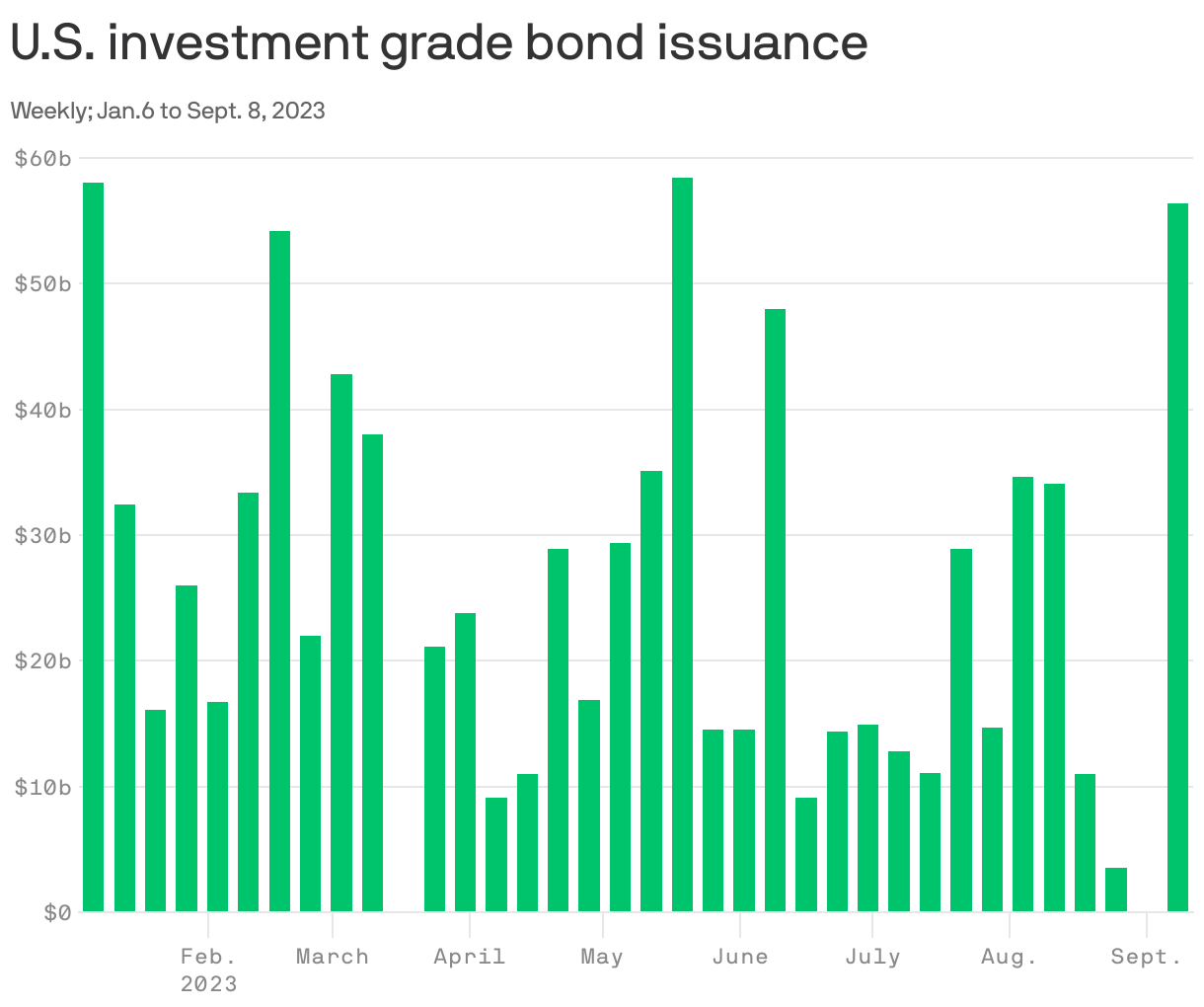
– Debt Market: Where loans and bonds are issued and traded.
3. Derivatives Market
The derivatives market involves financial instruments whose value is derived from an underlying asset, such as stocks, commodities, or currencies. Common derivatives include futures, options, and swaps. These instruments are often used for hedging risks or speculating on price movements.
4. Foreign Exchange (Forex) Market
The forex market is the largest and most liquid financial market in the world, where currencies are traded. It plays a critical role in international trade and investment, allowing participants to exchange one currency for another.
5. Commodities Market
This market deals with raw materials and natural resources, such as gold, oil, and agricultural products. Commodities are often used as a hedge against inflation and are influenced by global supply and demand dynamics.





Functions of Financial Markets
Financial markets serve several critical functions that contribute to economic stability and growth:
1. Facilitating Capital Formation
Financial markets enable businesses to raise capital through the issuance of stocks or bonds. This capital is then used for expansion, innovation, and job creation, driving economic development.
2. Providing Liquidity
Liquidity refers to the ease with which an asset can be converted into cash without significant loss of value. Financial markets ensure that investors can quickly buy or sell assets, enhancing market efficiency.
3. Price Discovery
Through the interaction of buyers and sellers, financial markets determine the fair value of assets. This process helps investors make informed decisions and ensures transparency in pricing.
4. Risk Management
Financial instruments like derivatives allow investors to hedge against potential losses. By transferring risk to other parties, investors can protect their portfolios from market volatility.
5. Economic Growth
By channeling savings into productive investments, financial markets contribute to overall economic growth. They also provide a platform for governments to fund public projects and manage national debt.
Benefits of Investing in Financial Markets
Investing in financial markets offers numerous advantages:
- Diversification: Investors can spread their risk across different asset classes, reducing the impact of market fluctuations.
- Higher Returns: Historically, financial markets have provided higher returns compared to traditional savings accounts.
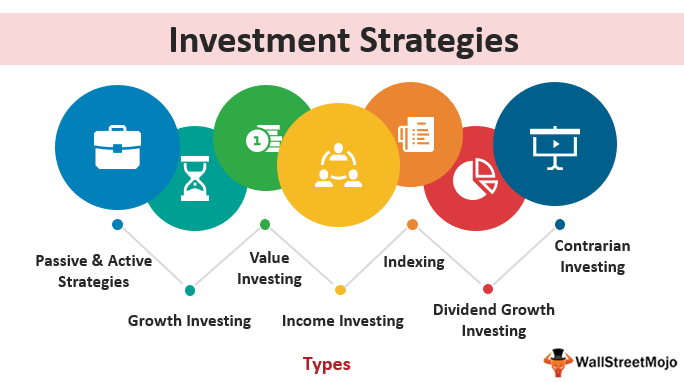
- Access to Opportunities: Markets offer a wide range of investment opportunities, from stocks and bonds to real estate and commodities.
- Professional Support: Investors can seek guidance from financial advisors, brokers, and analysts to make informed decisions.
Challenges and Risks
While financial markets offer significant benefits, they also come with risks:
- Market Volatility: Prices can fluctuate rapidly due to economic, political, or global events.
- Liquidity Risk: Some assets may be difficult to sell quickly without incurring a loss.
- Credit Risk: There is always a chance that a borrower may default on a loan or bond.
- Regulatory Changes: New regulations can impact market conditions and investor strategies.
Conclusion
Understanding the financial market is essential for anyone looking to grow their wealth, support business ventures, or contribute to economic development. By familiarizing yourself with the different types of markets, their functions, and the associated risks, you can make informed investment decisions and navigate the complexities of the financial world with confidence.
Whether you’re just starting out or looking to refine your strategy, the financial market offers endless opportunities for learning and growth. As you explore this dynamic landscape, remember to stay informed, diversify your portfolio, and seek professional advice when needed.