The Rise of Telehealth Solutions in the United States
Telehealth has emerged as a transformative force in the U.S. healthcare landscape, offering innovative ways for medical professionals to deliver care remotely. As the demand for accessible and efficient healthcare services continues to grow, telehealth solutions have become a critical component of modern medical practice. These digital tools enable healthcare providers to offer clinical and non-clinical services, including examinations, diagnostics, treatment prescriptions, consultations, and medical education, all through telecommunications technology.
What is Telehealth?

Telehealth refers to the use of telecommunications technology to provide health services, education, or information from a distance. Unlike telemedicine, which primarily focuses on clinical services, telehealth encompasses a broader range of health-related activities. This includes patient education, remote monitoring, staff training, and even public health initiatives. By leveraging technologies such as video conferencing, mobile apps, and secure messaging systems, telehealth makes healthcare more convenient, efficient, and accessible—especially for patients in rural or underserved areas.
Key Types of Telehealth Solutions
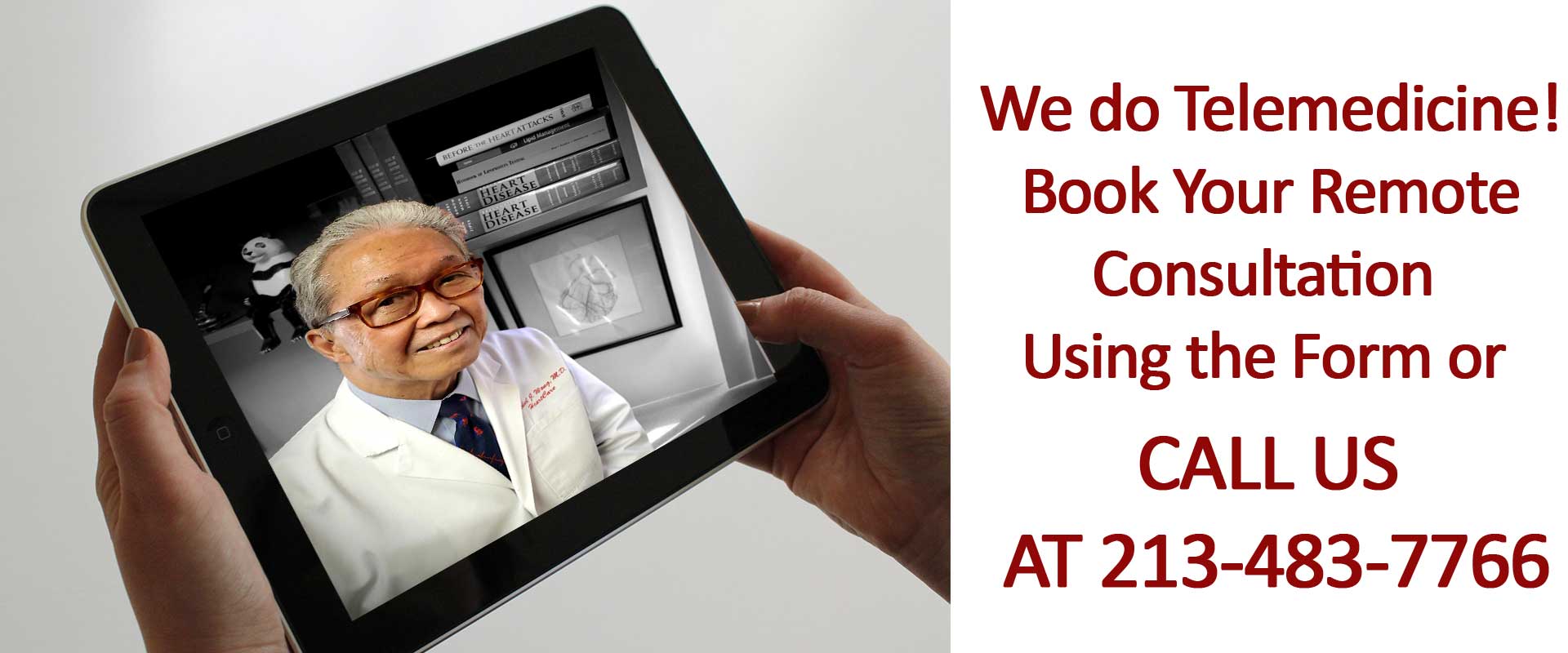
There are several types of telehealth solutions available, each designed to meet specific needs within the healthcare system:
-
Store-and-Forward Telehealth: This involves transmitting medical data, such as images, videos, or health records, between healthcare professionals. It allows specialists to review cases without requiring real-time interaction with the patient. This method is particularly useful in fields like teleradiology, teledermatology, and teleophthalmology.
-
Remote Patient Monitoring (RPM): RPM solutions allow physicians to track a patient’s health remotely using wearable devices and mobile apps. For example, a diabetic patient can monitor their blood sugar levels at home and send the data to their doctor. This approach helps manage chronic conditions, reduces hospital readmissions, and improves overall patient outcomes.
-
Mobile Health (mHealth): mHealth solutions leverage smartphones, tablets, and other mobile devices to deliver healthcare services. These include apps that remind patients to take medications, provide health education, or connect them with doctors via video calls. With the widespread use of smartphones, mHealth has become one of the most popular forms of telehealth.
-
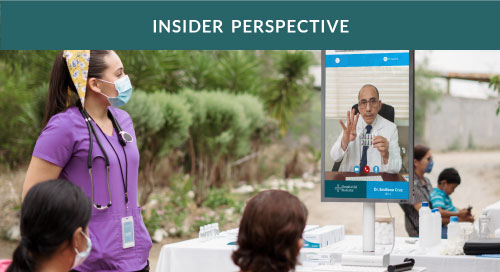
Real-Time Telehealth (Synchronous Telehealth): This involves live, two-way communication between patients and healthcare providers, often through video calls. Real-time telehealth is ideal for urgent care, follow-up appointments, and virtual consultations. Platforms like eVisit allow patients to connect with their doctors from the comfort of their homes.
-
Distance Medical Consultation and Education: Telehealth also supports remote collaboration among healthcare professionals. Doctors can consult with colleagues, participate in medical training, or share expertise across different locations. This is especially valuable for medical education and complex case discussions.
Specialties in Telehealth

Several medical specialties have embraced telehealth to enhance patient care and operational efficiency:
- Teleradiology: Radiologists can review imaging studies remotely, providing timely diagnoses even in areas with limited access to specialists.
- Telepsychiatry: Mental health professionals can offer therapy sessions and psychiatric evaluations via video calls, making mental healthcare more accessible.
- Teledermatology: Dermatologists can assess skin conditions through high-quality images sent by patients, reducing the need for in-person visits.
- Teleobstetrics: Obstetricians can monitor pregnant women remotely, ensuring continuous care throughout pregnancy.
- Teleoncology: Oncologists can consult with patients and coordinate care plans without requiring physical presence.
The Role of eVisit in Telehealth

One of the leading platforms in real-time telehealth is the eVisit app. Designed specifically for physicians, eVisit offers a secure, user-friendly platform for conducting virtual consultations. It enables healthcare providers to connect with their existing patients for preventative care, urgent care, and disease management. The app is known for its affordability, ease of use, and seamless integration with existing workflows, making it a preferred choice for small and large healthcare systems alike.
Custom Telehealth Software Development

In addition to off-the-shelf solutions, many healthcare organizations are turning to custom telehealth software development to meet their unique needs. Companies like OSP specialize in creating tailored telehealth platforms that align with specific workflows and regulatory requirements. These solutions can include features such as telehealth virtual visits, preventive health screenings, and behavioral health support.
Benefits of Telehealth in the U.S.
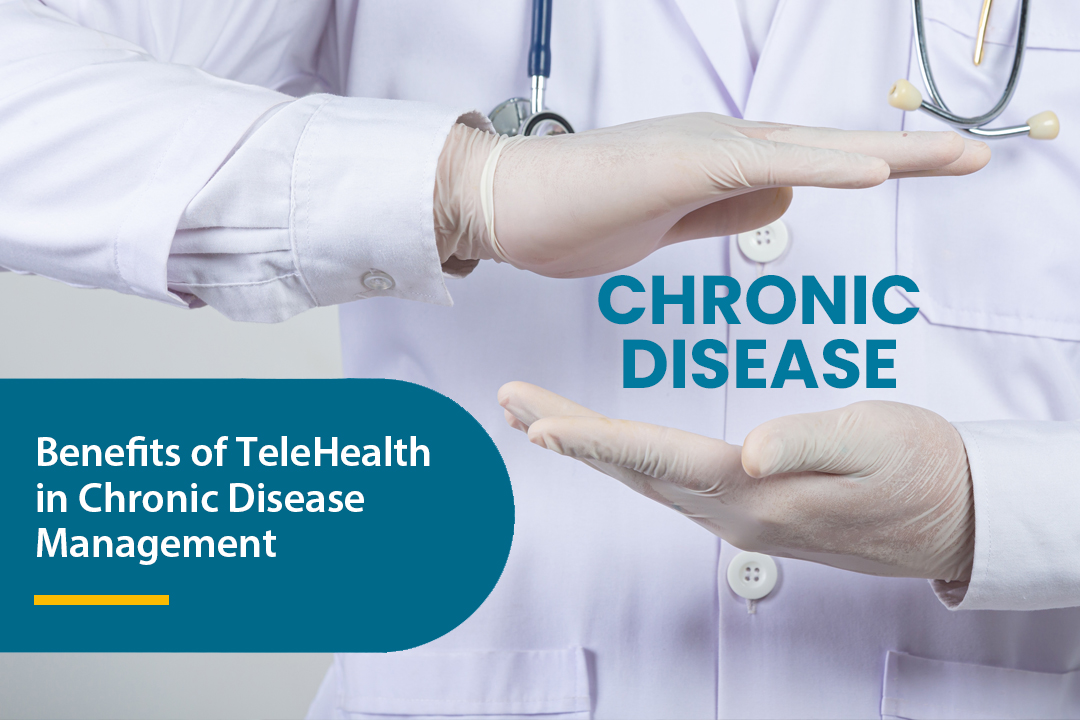
The adoption of telehealth in the U.S. has brought numerous benefits, including:
- Improved Access to Care: Patients in rural or underserved areas can now receive timely medical attention without traveling long distances.
- Enhanced Patient Engagement: Interactive tools and mobile apps encourage patients to take an active role in their health management.
- Cost Savings: Telehealth reduces the need for in-person visits, lowering healthcare costs for both patients and providers.
- Better Chronic Disease Management: Remote monitoring and regular check-ins help manage conditions like diabetes, hypertension, and heart disease more effectively.
Conclusion
As the U.S. healthcare system continues to evolve, telehealth solutions are playing an increasingly vital role in delivering high-quality, accessible care. From real-time consultations to remote patient monitoring, these technologies are reshaping how medical professionals interact with patients and each other. With ongoing advancements in digital health, the future of telehealth looks promising, offering even greater opportunities for innovation and improved patient outcomes.