The Evolution and Impact of Robotics in Modern Society
Robotics is a dynamic field that has transformed the way we live, work, and interact with technology. From its humble beginnings as a concept in science fiction to its current role as a cornerstone of innovation, robotics continues to shape industries and redefine human capabilities. This article explores the history, applications, and future of robotics, highlighting its profound impact on society.
The Origins of Robotics
The term “robotics” was first coined by Czech writer Karel Čapek in his 1920 play Rossum’s Universal Robots. However, it wasn’t until the mid-20th century that the concept began to take root in scientific and engineering circles. In the 1940s, science fiction author Isaac Asimov introduced the “Three Laws of Robotics,” which laid the foundation for ethical considerations in robotic behavior. These laws emphasized the importance of ensuring robots do not harm humans, follow human instructions, and protect themselves without violating the other rules.
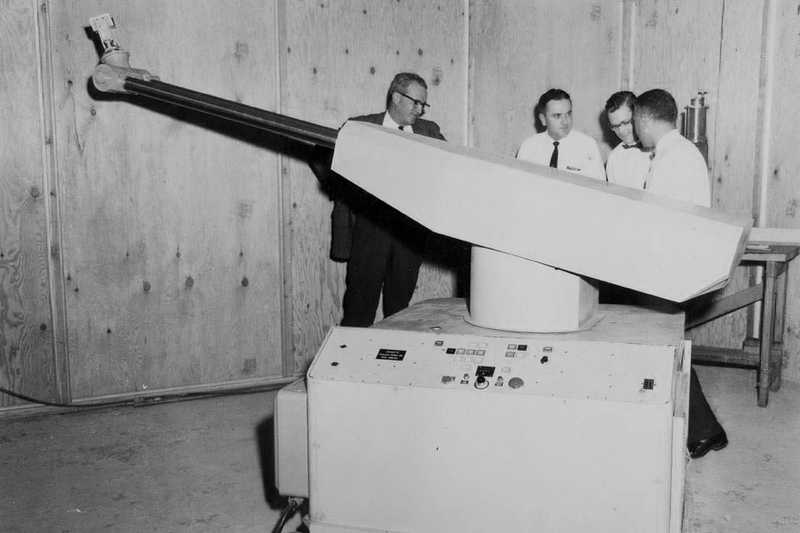
The first practical application of robotics came in 1961 with the creation of Unimate, a programmable robot designed to handle dangerous tasks in industrial settings. This marked the beginning of a new era, where robots could be used to perform repetitive and hazardous jobs, reducing the risk to human workers. By the 1960s, the Stanford Research Institute developed Shakey, the first mobile robot capable of sensing and interacting with its environment, albeit in a limited capacity.
The Expansion of Robotics Applications

As technology advanced, the scope of robotics expanded significantly. Today, robotics is used across various sectors, including manufacturing, healthcare, agriculture, and even space exploration. Industrial robots, such as robotic arms and collaborative robots (cobots), are now commonplace in factories, performing tasks like welding, painting, and assembly with precision and efficiency. Companies like Amazon and Best Buy rely heavily on these robots to streamline their operations and reduce labor costs.
In the home, robotics has made its way into everyday life through devices like automated vacuum cleaners and lawnmowers. These machines can navigate spaces independently, performing tasks without human intervention. Additionally, robots are being used for home monitoring, such as the Amazon Astro, which provides security and energy management services.
Robotics in Healthcare and Beyond

One of the most significant areas where robotics has made an impact is healthcare. Surgical robots, such as the da Vinci system, have revolutionized minimally invasive procedures, allowing for greater precision and faster recovery times. Assistive robots, exoskeletons, and telemedicine robots are also transforming patient care, offering support to those with mobility issues and enabling remote medical consultations.
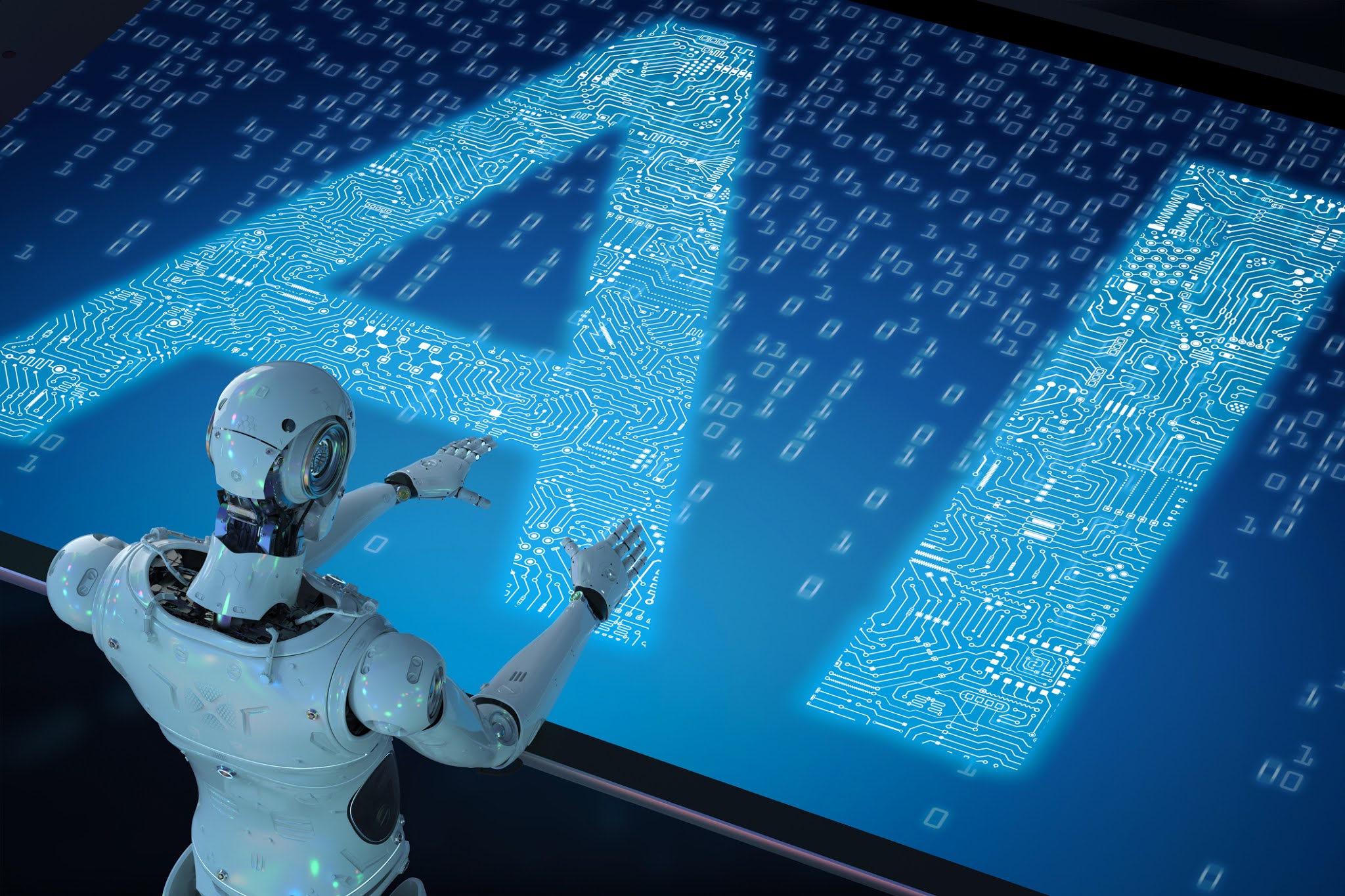
Beyond healthcare, robotics plays a crucial role in fields like data science and artificial intelligence (AI). Robots are used to automate data cleaning, analytics, and anomaly detection, improving the efficiency of data-driven decision-making processes. In the military and law enforcement sectors, robots are employed for surveillance, reconnaissance, and bomb disposal missions, enhancing safety and operational effectiveness.
The Role of Machine Learning in Robotics
Machine learning has become an integral part of modern robotics, enabling robots to learn from experience and adapt to new situations. Techniques like computer vision, self-supervised learning, and reinforcement learning allow robots to perceive their environments, make decisions, and improve over time. For example, computer vision algorithms help robots identify objects and navigate complex environments, while reinforcement learning enables them to refine their actions through trial and error.
Assistive robotics, such as wheelchair-mounted robot arms, demonstrate how machine learning can enhance independence for individuals with disabilities. These devices use AI to understand user commands and perform tasks like grasping objects or opening doors, providing greater autonomy and quality of life.
The Pros and Cons of Robotics

While robotics offers numerous benefits, it also presents challenges. One of the primary advantages is increased safety, as robots can perform tasks in hazardous environments, reducing the risk to human workers. They also boost productivity by working continuously without fatigue, leading to higher output and efficiency. Additionally, robots can achieve a level of accuracy and consistency that is difficult for humans to match.
However, there are drawbacks to consider. Some tasks, particularly those requiring creativity and critical thinking, are still better suited for humans. The high initial cost of robotic systems and the need for regular maintenance can also be barriers to adoption. Moreover, overreliance on robots may lead to a decline in human skills and problem-solving abilities, as well as increased dependency on technology.
Open Platforms and the Future of Robotics
Open-source platforms like the Robot Operating System (ROS) have played a vital role in advancing robotics research and development. ROS provides a flexible framework for building and deploying robotic applications, allowing developers to create, test, and share software solutions. With contributions from a global community, ROS has become a standard in the robotics industry, supporting a wide range of applications from industrial automation to space exploration.
The development of ROS 2, a major revision of the original ROS, has further enhanced the capabilities of robotic systems. Designed to support real-time programming and a wider variety of computing environments, ROS 2 represents the next generation of robotics software, paving the way for more sophisticated and adaptable robots.
Conclusion

Robotics has come a long way since its inception, evolving from a futuristic concept to a transformative force in modern society. Its applications span multiple industries, offering benefits such as increased safety, productivity, and efficiency. While challenges remain, the continued advancement of robotics, supported by open platforms and machine learning, promises a future where robots and humans can coexist and collaborate effectively. As we look ahead, the potential of robotics to enhance our lives and solve complex problems is truly remarkable.