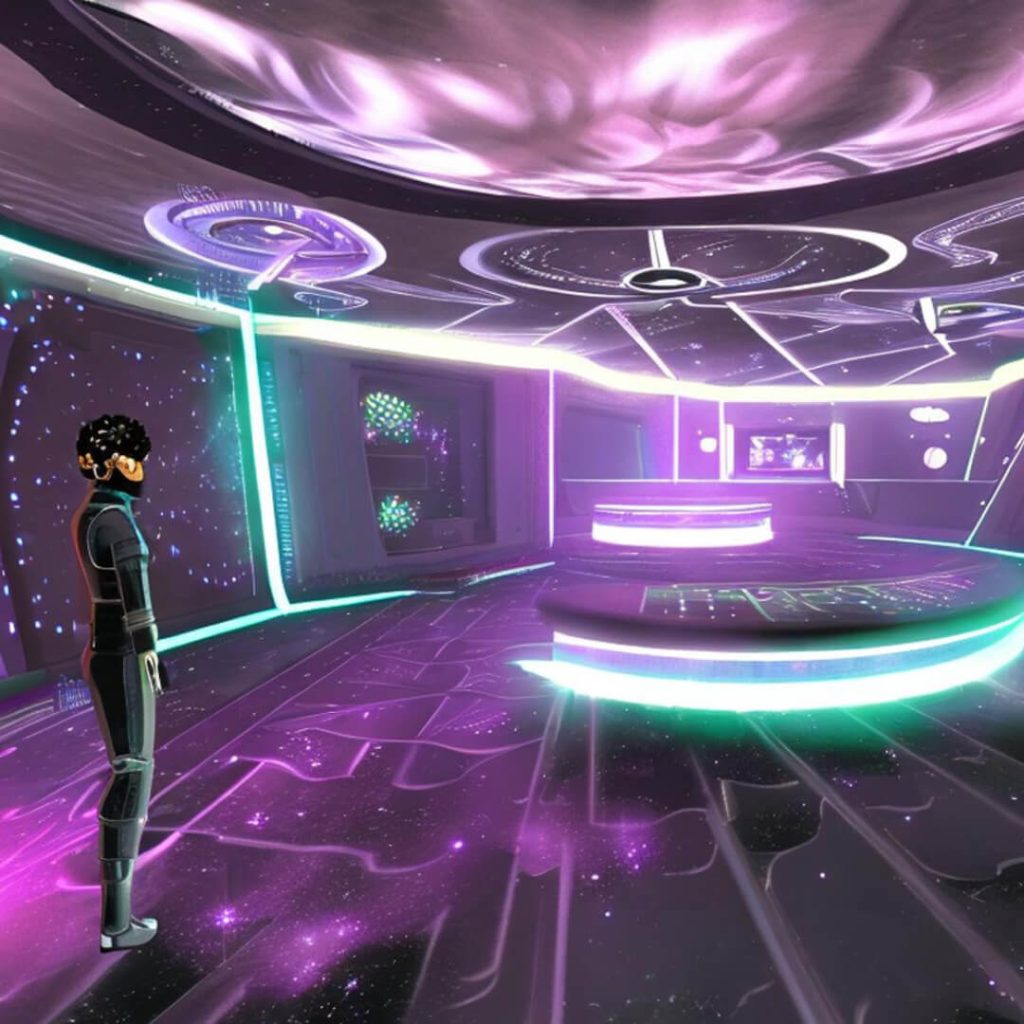
The Metaverse: A New Frontier for Business and Innovation
The concept of the Metaverse has evolved from a futuristic idea to a tangible digital ecosystem that is reshaping how we interact, work, and play. As a three-dimensional online space, the Metaverse allows users to engage in virtual environments through customizable avatars, offering experiences ranging from attending events and exploring art galleries to participating in immersive gaming and remote collaboration. With the rise of cryptocurrencies and blockchain technology, the Metaverse has also become a hub for digital transactions, creating new opportunities for businesses and individuals alike.
Understanding the Metaverse
At its core, the Metaverse is an interconnected network of virtual worlds that simulate real-life interactions. Unlike traditional online platforms, which are often siloed, the Metaverse aims to create a persistent, immersive, and interoperable environment where users can move seamlessly between different digital spaces. This vision is being driven by major tech companies such as Meta, Google, Microsoft, and Tencent, each developing their own versions of the Metaverse with unique features and protocols.
Cryptocurrencies play a crucial role in the Metaverse, serving as both a medium of exchange and a store of value. These digital assets enable users to trade virtual goods, services, and even real estate within the Metaverse. For instance, platforms like Decentraland and Roblox allow users to buy and sell virtual land, while others like Axie Infinity and Sandbox offer opportunities for earning income through gaming and content creation.
The Rise of Metaverse-as-a-Service (MaaS)
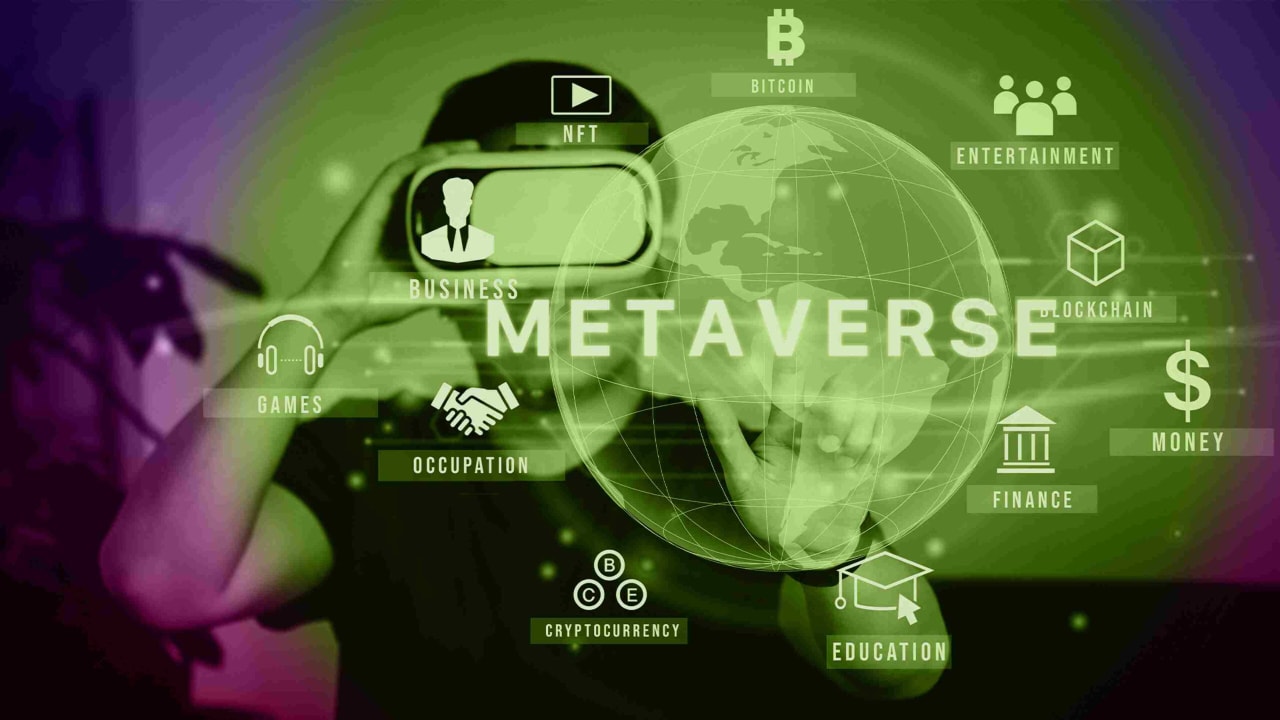
As the Metaverse continues to grow, so does the need for businesses to establish a presence within it. This has led to the emergence of Metaverse-as-a-Service (MaaS) platforms, which provide enterprises with the tools and infrastructure to build and deploy their own virtual worlds. MaaS solutions are designed to help businesses integrate into the existing Metaverse ecosystem, allowing them to create tailored experiences for customers, employees, and partners.
Unlike competing directly with established platforms like Decentraland or Roblox, MaaS focuses on enabling businesses to leverage the Metaverse’s infrastructure while maintaining control over their own digital spaces. This model is similar to Software-as-a-Service (SaaS), where companies can access pre-built tools and services without the need for extensive development in-house.
Key Use Cases for MaaS

The potential applications of MaaS span multiple industries, making it a versatile solution for businesses of all sizes. Some of the most promising use cases include:
-
Remote Work: The Metaverse offers a virtual office environment that enhances collaboration and team-building activities. Platforms like Microsoft Teams are integrating Metaverse features to support immersive meetings and brainstorming sessions.
-
Healthcare: Virtual consultations, robotic surgeries, and cognitive therapy can be facilitated through the Metaverse, providing patients with access to specialized care and improving healthcare outcomes.
-
Education: Educational institutions are leveraging the Metaverse to create interactive learning experiences, such as virtual classrooms and collaborative projects that transcend geographical boundaries.
-
Gaming: The Metaverse provides an immersive gaming experience, with platforms like Axie Infinity and Sandbox offering opportunities for players to earn income through play-to-earn models.
-
Retail and Customer Engagement: Brands like Adidas and Nike have launched virtual showrooms in the Metaverse, allowing customers to explore products in a digital setting and interact with brand ambassadors.
Companies Leading the MaaS Movement

Several companies are at the forefront of the MaaS movement, offering innovative solutions to help businesses navigate the Metaverse. Notable examples include:
-
Lovelace World: Provides end-to-end MaaS solutions, including NFT experiences and smart contract integration across multiple blockchain networks.
-
Propel MaaS: Focuses on plug-and-play Metaverse solutions, specializing in game and DeFi integrations.
-
Touchcast: Offers customizable virtual cities and domains, enabling businesses to create unique digital experiences.
These companies are helping to shape the future of the Metaverse by providing scalable, flexible, and user-friendly platforms that cater to a wide range of business needs.
Building Your Own MaaS Platform
Creating a successful MaaS platform requires careful planning and execution. Key considerations include:
- Interoperability: Ensuring compatibility across different platforms, devices, and payment methods is essential for a seamless user experience.
- AR/VR Excellence: Investing in high-quality augmented and virtual reality technologies will enhance the immersive experience for users.
- Digital Footprint Expansion: Building a strong online presence through targeted marketing and user engagement strategies is crucial for attracting and retaining users.
- Experience Excellence: Blending traditional brand experiences with innovative digital solutions can create a compelling value proposition for clients.
By focusing on these elements, businesses can position themselves for success in the rapidly evolving Metaverse landscape.
The Future of the Metaverse

As the Metaverse continues to evolve, it is clear that it will play a significant role in shaping the future of business, education, and entertainment. With advancements in technology and increasing adoption, the Metaverse is poised to become a central hub for global interaction and innovation.
For businesses looking to capitalize on this trend, investing in MaaS solutions offers a strategic advantage. By building their own virtual spaces, companies can unlock new revenue streams, enhance customer engagement, and stay ahead of the competition.
Conclusion
The Metaverse represents a transformative shift in how we interact with digital spaces. From virtual offices and immersive gaming to healthcare and education, the possibilities are endless. As more businesses embrace the Metaverse through MaaS platforms, the digital world will continue to expand, offering new opportunities for innovation and growth. Whether you’re a startup or a multinational corporation, now is the time to explore the potential of the Metaverse and shape the future of your industry.