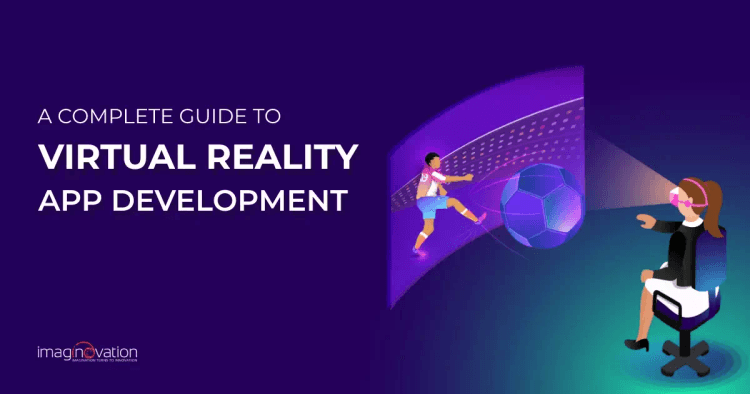
The Future of Virtual Reality: A Comprehensive Guide to App Development in the United States
Virtual reality (VR) has evolved from a niche concept into a powerful tool that is reshaping industries across the United States. From entertainment and education to healthcare and real estate, VR is creating immersive experiences that engage users in unprecedented ways. As the technology continues to advance, understanding the process of developing a successful VR app becomes essential for businesses and individuals alike.
This article explores the history of virtual reality, its current market trends, and the step-by-step process of building a VR app. It also highlights how different industries are leveraging VR and provides insights into the future of this transformative technology.
History of Virtual Reality: An Overview

The journey of virtual reality began in the 1930s with the concept of “Pygmalion Spectacles,” where Stanley G. Weinbaum envisioned a device that could provide a fully immersive experience through holographic recordings. However, it wasn’t until the 1960s that the first VR headset was developed by Ivan Sutherland, who created a head-mounted display for military applications.
The 1990s saw the introduction of consumer-oriented VR with Nintendo’s Virtual Boy, while the 2014 acquisition of Oculus VR by Facebook marked a turning point in the industry. Since then, companies like HTC, Sony, and Google have continued to innovate, making VR more accessible and affordable.
Market Trends and Statistics
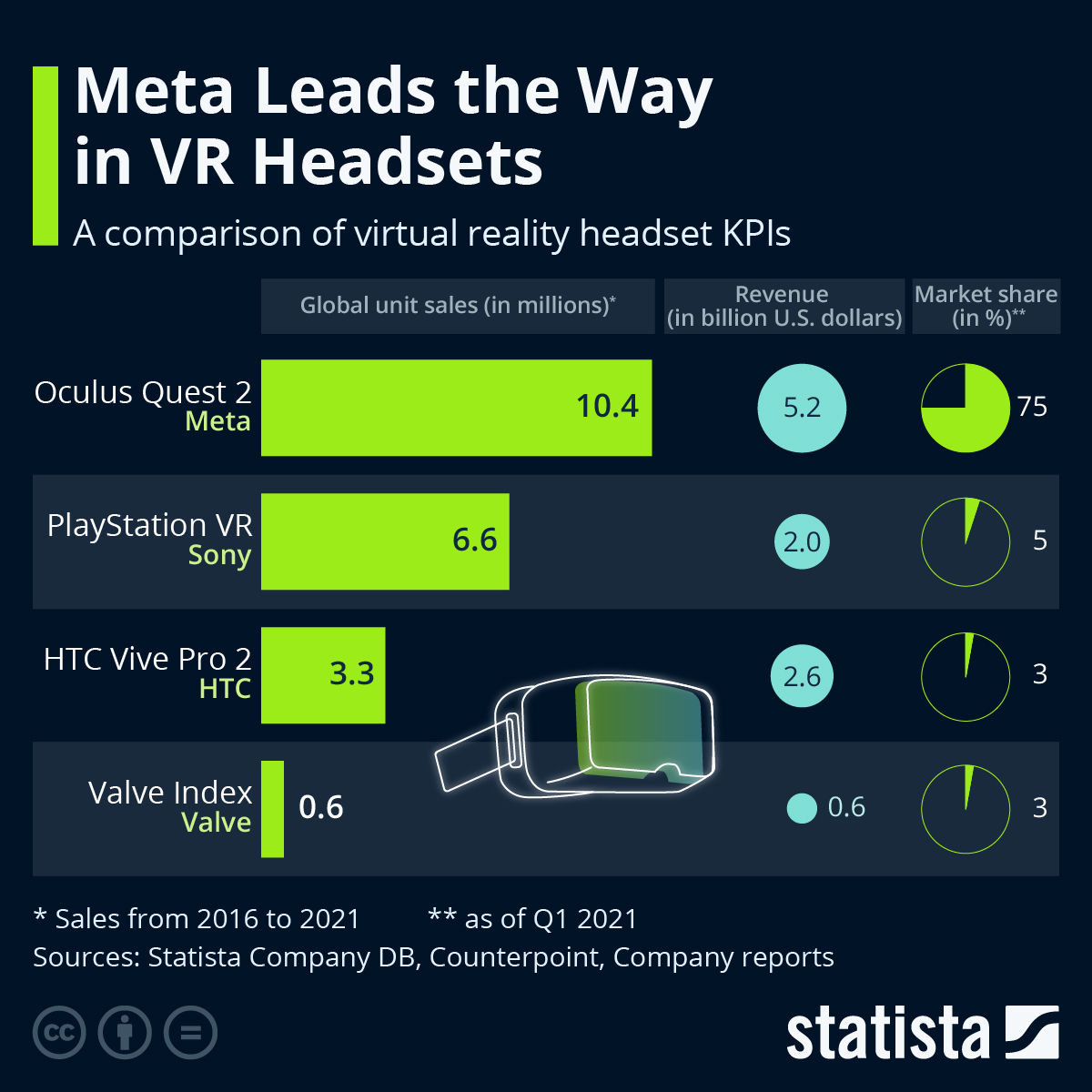
The VR market is projected to reach USD 20.9 billion by 2025, growing at a compound annual growth rate (CAGR) of 27.9%. According to recent studies, 171 million people globally use VR technology, with approximately 70.8 million users in the United States alone in 2023. This represents about 21% of the population, highlighting the widespread adoption of VR.
Moreover, 50% of companies are either integrating VR into their strategies or have already done so. With VR revenues expected to climb to $15.81 billion in 2023, the potential for growth is immense. Businesses that embrace VR can tap into new markets, enhance user engagement, and create unique value propositions.
How to Make a VR App: A Step-by-Step Guide

Creating a successful VR app requires careful planning, technical expertise, and an understanding of user needs. Here’s a detailed breakdown of the key steps involved:
1. Goal Definition
Start by defining clear objectives for your VR app. What problem will it solve? What experience do you want users to have? Researching user expectations and aligning them with your business goals is crucial. Consider features that offer an immersive and compelling experience, such as interactive elements and guided tutorials.
2. Compatibility Definition

Determine which devices your app will support. Smartphone-based VR, desktop VR, and standalone headsets each have their own advantages and limitations. For example, smartphone VR offers portability, while desktop VR provides higher performance. Ensuring compatibility across platforms will help you reach a broader audience.
3. Platform Selection
Choose the right platform and software development kit (SDK) based on your target audience and use case. Popular options include Oculus Home, SteamVR, and XboxVR. Each platform has its own set of tools and resources, so selecting the one that best fits your needs is essential.
4. Planning UI/UX Elements
Designing for VR requires a different approach compared to traditional apps. Focus on creating a seamless and intuitive user experience, considering factors like spatial awareness, navigation, and interaction. A well-designed UI/UX can significantly enhance user satisfaction and retention.
5. Game Engine Selection
Select a game engine that supports VR development. Unity and Unreal Engine are popular choices due to their robust features and extensive libraries. These engines allow developers to create realistic 3D environments and integrate advanced functionalities like physics simulations and AI-driven interactions.
6. Choosing Frameworks and Libraries
Leverage frameworks and libraries such as WebVR and WebGL to build cross-platform VR experiences. These technologies enable developers to create immersive content that works across different browsers and devices. Testing and prototyping are essential to ensure a smooth user experience.
7. Hardware Selection
Choose hardware that meets the requirements of your VR app. Options include Oculus Rift, HTC Vive, and standalone headsets like the Meta Quest. Consider factors like comfort, mobility, and performance when selecting the right hardware for your project.
8. Releasing the App and Continuous Improvement
Once your app is ready, release it on relevant platforms and gather user feedback. Use analytics to track user behavior and identify areas for improvement. Regular updates and feature enhancements can help maintain user engagement and drive long-term success.
9. Monetization Strategies
Develop a monetization strategy that aligns with your business model. Options include in-app advertising, paid downloads, in-app purchases, and subscription models. Each approach has its own advantages and challenges, so choosing the right one depends on your target audience and revenue goals.
Industries Embracing Virtual Reality

1. Healthcare
VR is revolutionizing healthcare by enabling medical training, patient education, and therapy. Doctors use VR to practice surgeries in a safe environment, while therapists use it to treat mental health conditions. Companies like AbbVie have created VR experiences to raise awareness about diseases like Parkinson’s.
2. Automotive Industry
Automakers are using VR for design, testing, and customer engagement. Virtual test drives and 3D product showcases allow customers to experience vehicles without visiting a dealership. Brands like Skoda and Volkswagen are leveraging VR to streamline their design processes and enhance customer interactions.
3. Learning and Development
VR is transforming education by providing immersive learning experiences. Companies like Bank of America and Walmart have adopted VR for employee training, allowing staff to practice skills in realistic scenarios. VirtualSpeech offers VR training for soft skills, helping users build confidence and improve communication.
4. Retail
Retailers are using VR to enhance the shopping experience. IKEA’s Place app allows customers to visualize furniture in their homes, while virtual fashion shows enable shoppers to explore collections from anywhere. VR is making online shopping more interactive and engaging.
5. Real Estate
VR is changing the way properties are marketed and sold. Virtual tours and 3D walkthroughs allow buyers to explore homes remotely, saving time and effort. Companies like Matterport are leading the way in providing immersive property experiences that increase buyer engagement and reduce time on the market.
Challenges and Considerations
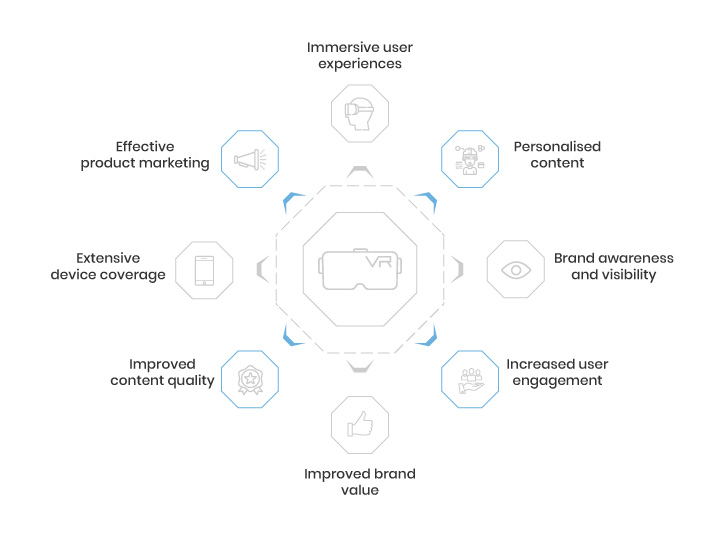
While VR offers numerous benefits, it also presents challenges. High costs, motion sickness, and limited content are common issues. Developers must also address privacy concerns, ensuring that user data is protected. Additionally, the rapid pace of technological change requires continuous learning and adaptation.
Conclusion
Virtual reality is no longer a futuristic concept but a powerful tool that is shaping the future of technology. By understanding the development process and leveraging VR’s potential, businesses can create innovative solutions that engage users and drive growth. As the market continues to evolve, staying informed about the latest trends and best practices will be crucial for success.