Understanding Car Insurance: A Comprehensive Guide for UK Drivers
Car insurance is an essential part of responsible driving, offering financial protection in the event of an accident or other unforeseen circumstances. While it cannot prevent accidents from happening, it can significantly ease the burden of medical bills and repair costs. In the United Kingdom, understanding the various types of car insurance available is crucial for making informed decisions that align with your needs and budget.
The Basics of Car Insurance
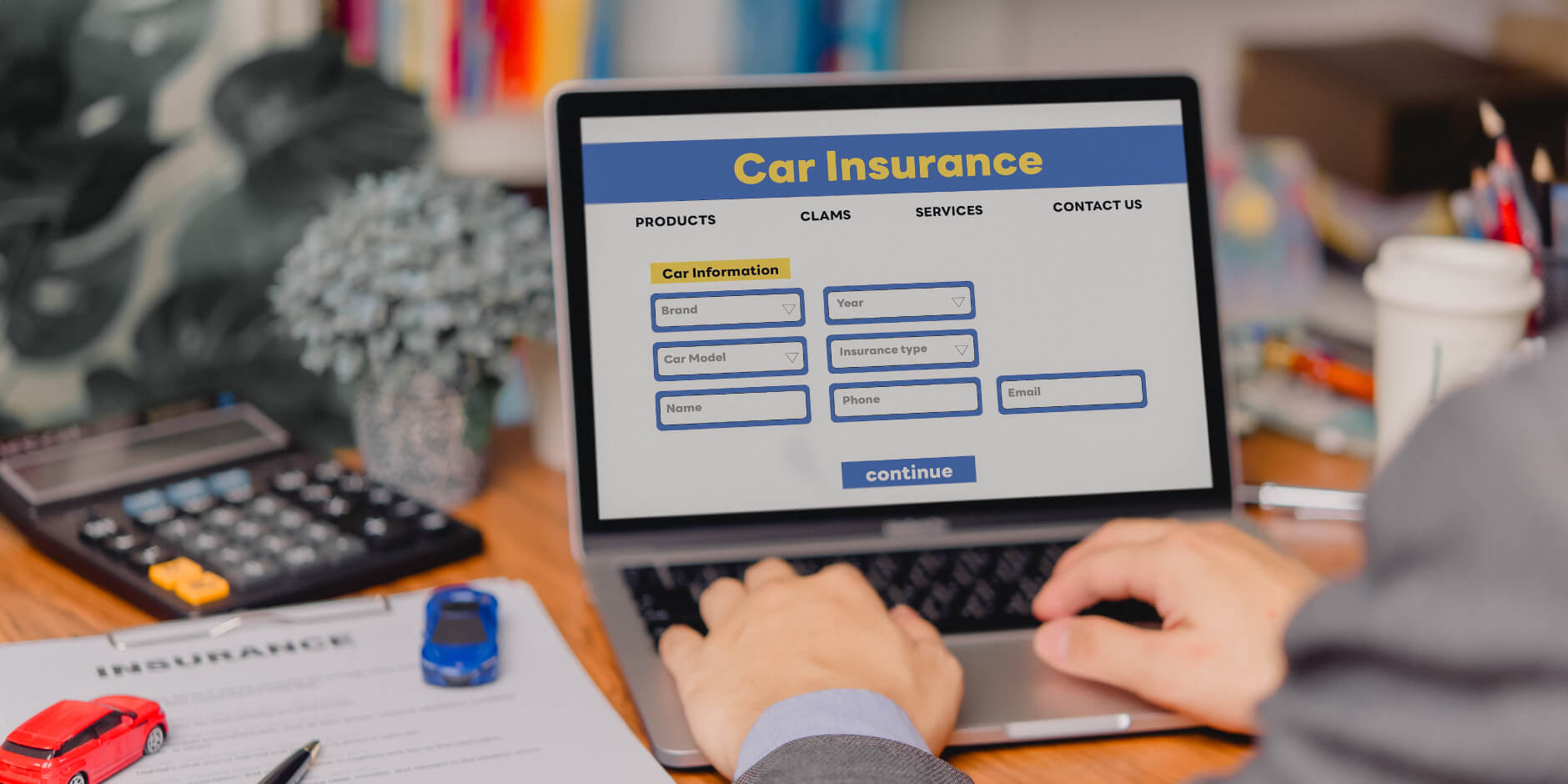
At its core, car insurance is a contract between you and an insurance company. In exchange for regular premium payments, the insurer agrees to cover certain expenses related to your vehicle. The specific terms and conditions of this agreement are outlined in your policy document, which should be reviewed carefully before purchasing any coverage.
In the UK, the most common types of car insurance include:
- Liability Coverage: This is mandatory in most states and covers damages caused to others in an accident.
- Collision and Comprehensive Insurance: These are optional but may be required if you have a financed or leased vehicle.
- Personal Injury Protection (PIP) and Medical Payments (MedPay): These cover medical expenses for you and your passengers, regardless of fault.
- Uninsured and Underinsured Motorist Coverage: This protects you from financial loss if involved in an accident with an uninsured or underinsured driver.
- Gap Insurance: This covers the difference between your car’s value and the remaining balance on your loan if your car is totaled.
- Additional Coverages: These include rental reimbursement, roadside assistance, and more.
Liability Coverage: What You Need to Know
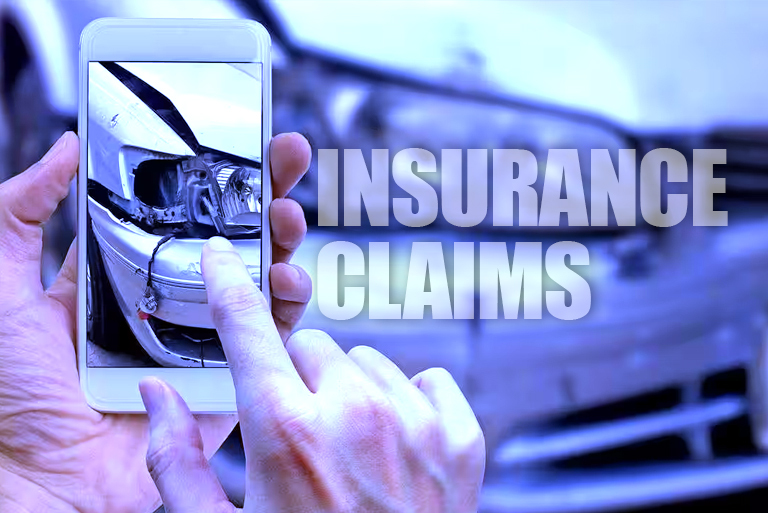
Liability coverage is the foundation of any car insurance policy. It includes two main components:
- Bodily Injury Liability: This covers the medical expenses of others injured in an accident you cause.
- Property Damage Liability: This covers the repair costs for other vehicles, fences, mailboxes, or buildings damaged in an accident you cause.
The limits of liability coverage are typically expressed as three numbers, such as 100/300/50. This means $100,000 per person for bodily injury, $300,000 total for all bodily injuries, and $50,000 for property damage. If the costs exceed these limits, you will be responsible for the remaining amount.
Collision and Comprehensive Insurance
Collision and comprehensive insurance are optional in the UK, but they may be required if you have a financed or leased vehicle. These policies cover damage to your car from accidents or non-collision events like storms, floods, or vandalism.
- Collision Insurance: Covers damage to your car from accidents, regardless of who is at fault.
- Comprehensive Insurance: Covers damage from events other than collisions, such as theft, natural disasters, or hitting an animal.
It’s important to note that the payout for these policies is limited to the value of your car at the time of the incident. For older cars with low value, it may not be cost-effective to carry both types of coverage, especially if you have a high deductible.
Personal Injury Protection and Medical Payments Coverage
Personal Injury Protection (PIP) and Medical Payments (MedPay) cover medical expenses for you and your passengers after an accident, regardless of fault. These policies differ from bodily injury liability coverage because they pay out no matter who caused the accident, up to your policy limits.
- PIP (No-Fault Insurance): Covers medical bills, lost wages, disability costs, and funeral expenses depending on where you live.
- MedPay: Covers medical bills and health insurance copays for doctor or hospital visits caused by a car accident.
These types of coverage are required in no-fault states but may be optional depending on your location.
Uninsured and Underinsured Motorist Coverage

Uninsured motorist coverage is crucial in the UK, where approximately 1 in 7 drivers lack insurance. This coverage pays for expenses resulting from an accident with an uninsured driver. Underinsured motorist coverage, on the other hand, covers cases where the at-fault driver’s insurance limits are insufficient to cover all injuries or damage.
Some states require minimum amounts of these coverages, and the types of coverage may vary depending on your state’s requirements.
Gap Insurance
If you own a new car, gap insurance can protect you from financial loss if your car is totaled before the loan is paid off. This coverage pays the difference between your car’s value and the remaining loan balance. Leasing companies often require gap insurance, and it may be included in lease payments or added when purchasing a new car.
Other Types of Car Insurance
In addition to the main types of coverage, there are several other options you can add to your policy for extra protection:
- Rental Reimbursement: Covers the cost of a rental car while your vehicle is being repaired.
- Roadside Assistance: Provides help with battery jumps, towing, and other emergencies.
- New-Car Replacement Insurance: Pays for a brand-new car of the same make and model if your car is totaled.
- Full Glass Coverage: Repairs or replaces chipped or broken window glass.
- Rideshare Insurance: Covers you when driving for services like Uber or Lyft.
- Mechanical Breakdown Coverage: Pays for repairs due to mechanical failures.
- Custom Parts and Equipment Coverage: Covers modifications like stereos or rims.
- Classic Car Insurance: Insures classic or antique vehicles for their full appreciated value.
- Business or Commercial Auto Insurance: Covers vehicles used for business purposes.
By understanding the different types of car insurance available, UK drivers can make informed decisions that provide the right level of protection for their needs. Always review your policy carefully and consider consulting with an insurance professional to ensure you have the best coverage for your situation.