The Transformative Power of AI: Benefits, Challenges, and Strategies for Success
Artificial Intelligence (AI) is rapidly reshaping industries across the United States, offering transformative benefits that enhance efficiency, decision-making, and customer experiences. From automating repetitive tasks to enabling data-driven insights, AI is revolutionizing how organizations operate. However, implementing AI also comes with challenges such as high costs, data privacy concerns, and ethical considerations. This article explores the advantages and obstacles of AI adoption, drawing on real-world examples from Iris.ai and other industry leaders.
Benefits of AI Adoption
Increased Efficiency and Productivity
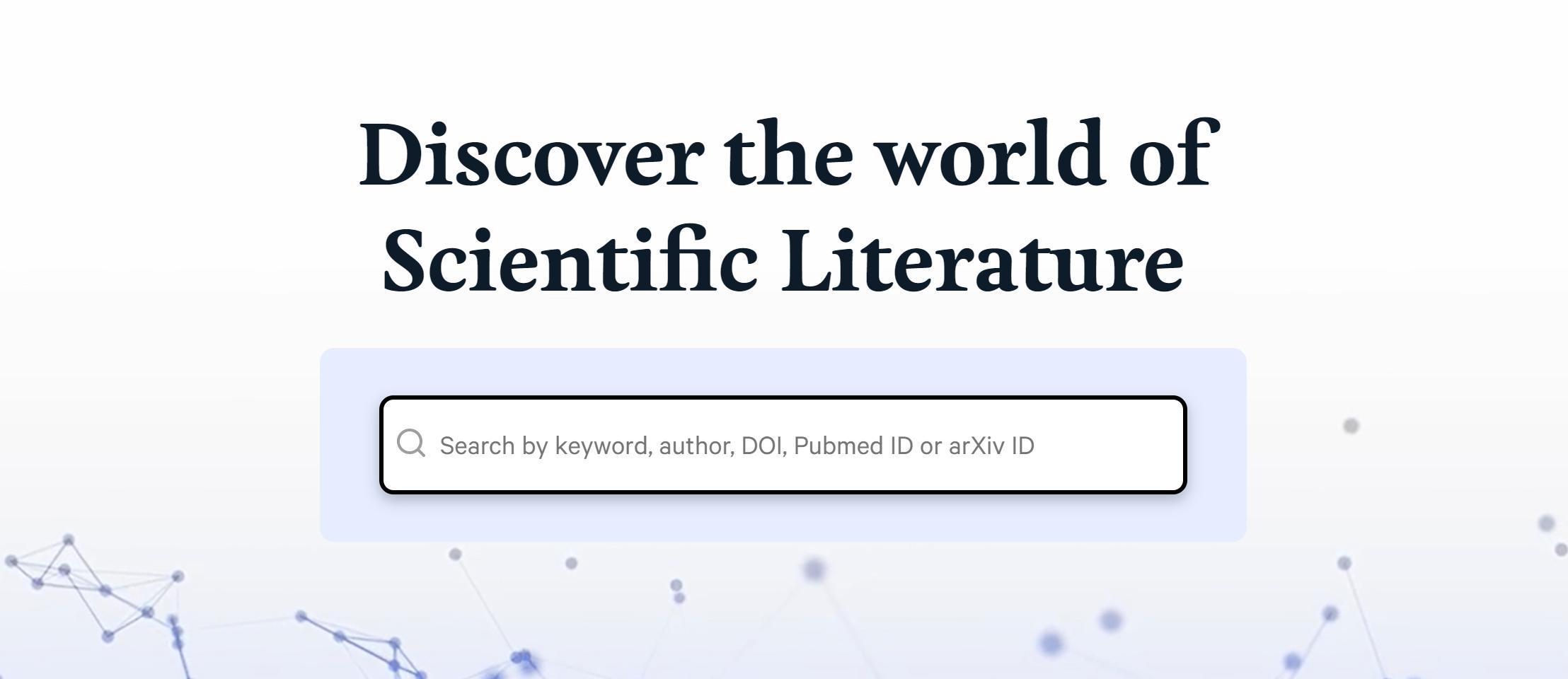
AI technologies automate time-consuming tasks, allowing employees to focus on strategic activities. For example, Iris.ai’s RSpace™ tool accelerates literature reviews by identifying relevant papers, summarizing findings, and extracting key data. This saves researchers hours of manual work, enabling them to concentrate on higher-value tasks.
Enhanced Decision Making

AI systems analyze vast datasets at unprecedented speeds, uncovering insights that inform better business strategies. Iris.ai’s knowledge extraction tools help companies identify hidden patterns in scientific literature, supporting R&D initiatives and accelerating innovation.
Time and Cost Savings
Implementing AI solutions can lead to significant cost savings through process optimizations and predictive maintenance. Iris.ai’s tools reduce labor costs and minimize errors, while also helping businesses avoid costly downtime by predicting equipment failures.
Improved Customer Experience
Personalized interactions and faster response times are key advantages of AI in customer service. Chatbots powered by natural language processing can handle queries 24/7, providing instant support and improving customer satisfaction.
Case Studies: Real-World Impact
ArcelorMittal
ArcelorMittal struggled with manually extracting and analyzing experiment data from patents. Iris.ai’s solution streamlined this process, enabling researchers to focus on identifying new market opportunities more swiftly.
Finnish Food Authority

The Finnish Food Authority faced challenges in keeping up with food safety-related content. Iris.ai’s solution provided a comprehensive overview of the field, allowing researchers to navigate vast amounts of information efficiently.
Challenges of AI Adoption
High Implementation Costs
The initial investment in AI technologies can be substantial, particularly for small and medium-sized enterprises (SMEs). Costs include hardware, software, talent, and integration with existing workflows.
Data Quality and Privacy Concerns

AI systems require accurate, comprehensive data to function effectively. Ensuring data quality and protecting sensitive information are critical challenges. Iris.ai prioritizes data security by not storing or using users’ data, instead using third-party storage for temporary content.
Integration with Existing Systems
Integrating AI with legacy systems can be complex. Iris.ai offers cloud-based, on-premise, and private cloud deployments to ensure seamless integration and compliance with specific security requirements.
Ethical and Bias Concerns
AI systems can inadvertently perpetuate biases present in their training data. Iris.ai addresses this by implementing rigorous testing and validation procedures to detect and mitigate biases, ensuring fair and transparent AI models.
Strategies for Successful AI Integration
Engage with Employees Early
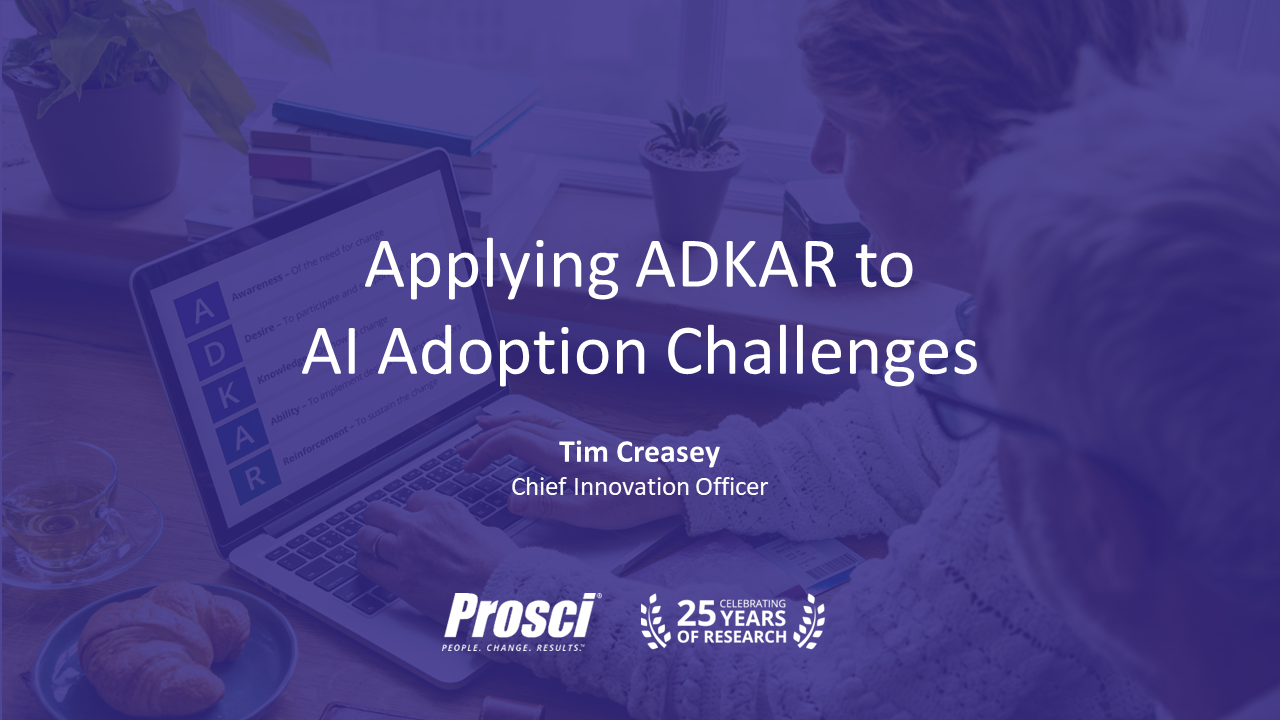
Proactive communication and transparency build trust and foster engagement. The Prosci ADKAR Model outlines five key outcomes for successful change: Awareness, Desire, Knowledge, Ability, and Reinforcement.
Develop a Clear Change Management Strategy
The Prosci Methodology provides a structured approach to managing AI integration. The three phases—Prepare Approach, Manage Change, and Sustain Outcomes—ensure systematic planning and execution.
Use an Iterative and Flexible Approach
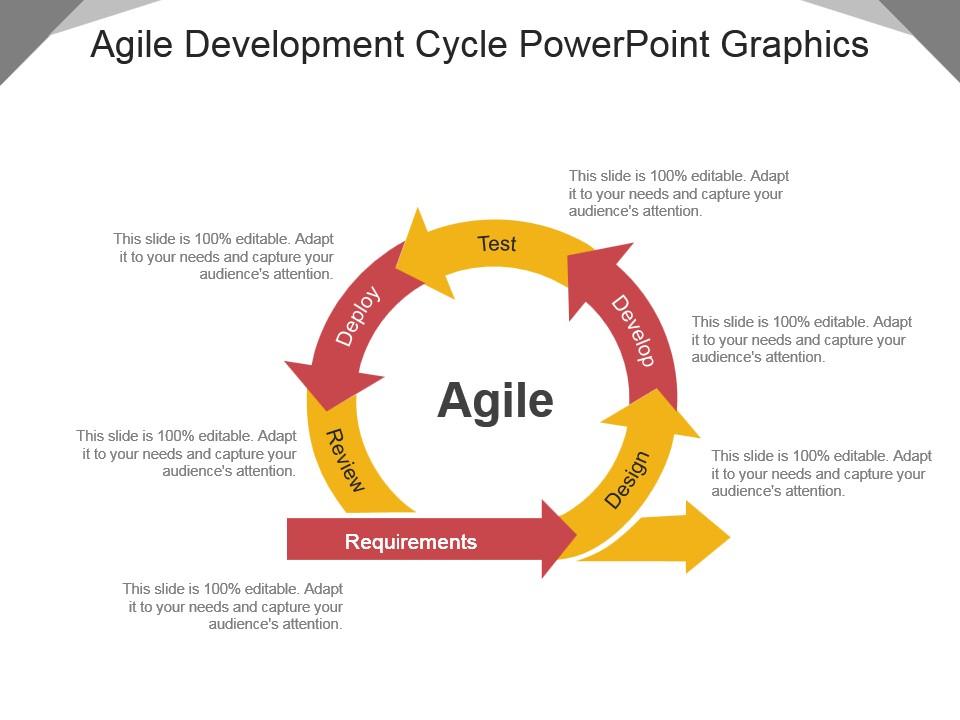
Given the fast-paced nature of AI technology, organizations must adapt quickly. An iterative approach allows teams to test, refine, and optimize AI solutions as they are implemented.
Conclusion
Adopting AI technologies brings transformative benefits, including increased efficiency, enhanced decision-making, cost savings, and improved customer experiences. However, challenges such as high implementation costs, data quality and privacy concerns, skill shortages, integration complexities, and ethical considerations must be addressed. At Iris.ai, we help organizations navigate these challenges with our seamless, secure, and ethical AI solutions. By collaborating closely with clients, we ensure smooth transitions and optimal performance, enabling businesses to harness the power of AI responsibly and effectively.