Understanding IT Service Management: A Comprehensive Guide for Businesses
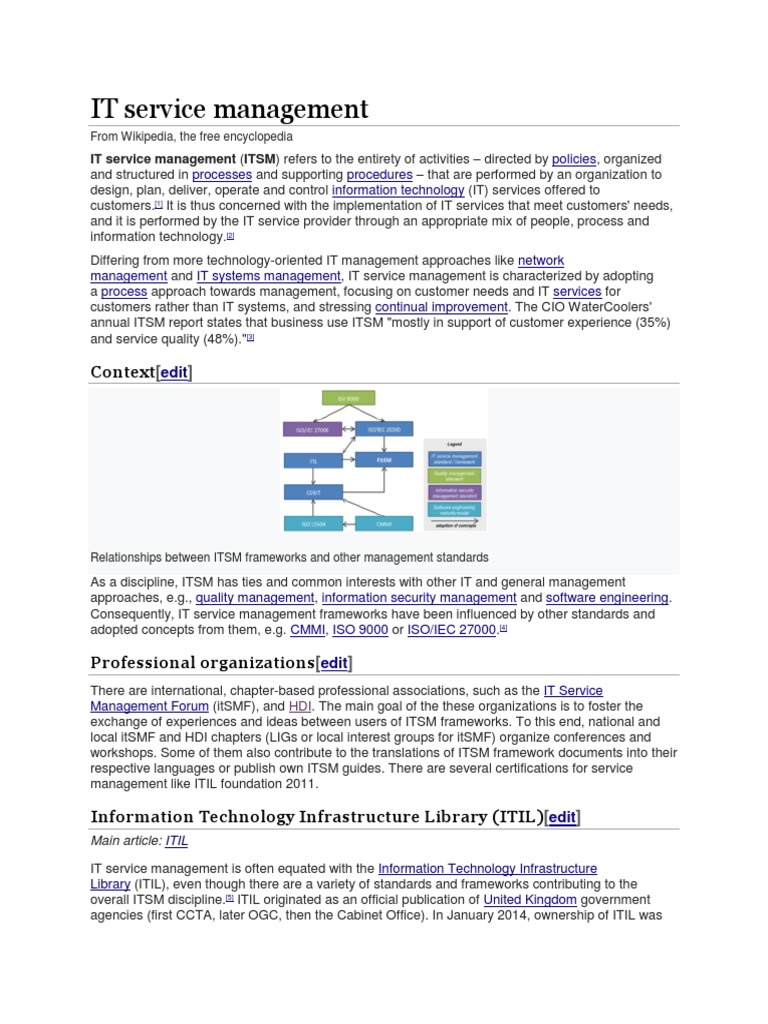
In today’s digital-first world, businesses rely heavily on information technology (IT) services to drive innovation, streamline operations, and enhance customer experiences. Managing these services effectively is where Information Technology Service Management (ITSM) comes into play. ITSM is a set of practices designed to align IT services with the needs of the business, ensuring that they deliver value while maintaining efficiency and security. This article explores the fundamentals of ITSM, its key components, and how businesses can leverage it to stay competitive.
What is IT Service Management?
IT Service Management (ITSM) refers to the activities performed by an organization to design, build, deliver, operate, and control IT services offered to customers. Unlike more technology-oriented approaches like network management or systems management, ITSM focuses on customer needs and the continuous improvement of IT services. According to the CIO WaterCooler’s 2017 ITSM report, businesses primarily use ITSM to support customer experience (35%) and service quality (48%).
Key Components of ITSM
ITSM is built around several core components, each playing a vital role in ensuring the smooth operation of IT services:
- Process: Execution of ITSM processes, especially those that are workflow-driven, can benefit from specialized software tools.
- Service Desk: A service desk acts as a single point of contact (SPOC) between users and IT staff, facilitating communication and managing incidents and service requests.
- Frameworks: ITSM frameworks like ITIL (Information Technology Infrastructure Library) provide guidelines for best practices in service management.
- Professional Organizations: Groups like the IT Service Management Forum (itSMF) and HDI help foster knowledge exchange and certification in ITSM.
The Role of the Service Desk

The service desk is a critical component of ITSM, serving as the central point of contact between service providers and users. It is responsible for handling incidents, service requests, and other user interactions. Unlike traditional call centers or help desks, a service desk offers a broader, user-centered approach, integrating business processes into the service management infrastructure.
Functions of a Service Desk
- Incident Management: Addressing disruptions in service availability or quality.
- Request Fulfillment: Handling routine requests for services.
- Communication: Acting as a bridge between IT and end-users.
- Integration: Facilitating collaboration with other service management disciplines.
ITIL Framework and Its Influence

The ITIL (Information Technology Infrastructure Library) framework is one of the most widely recognized standards for ITSM. It provides a structured approach to managing IT services, emphasizing continual improvement and customer-centricity. ITIL defines the service desk as the focal point for reporting incidents and handling service requests.
ITIL’s Impact on ITSM
- Standardization: ITIL offers a common language and set of practices for ITSM.
- Best Practices: It promotes efficient and effective service delivery through proven methodologies.
- Continual Improvement: Encourages organizations to refine their IT services based on feedback and performance metrics.
Categories of IT Services
IT services can be broadly categorized into three main types:
1. Business Process Services
These services support core business activities such as e-commerce, financial management, and human resources. They are typically hosted in workflow solutions like ERP and CRM systems.
2. Application Services
Application services include productivity tools provided through software, such as communication platforms, office suites, and analytics tools. These services may be hosted locally or in the cloud.
3. Infrastructure Services
Infrastructure services form the backbone of IT operations, including hardware, operating systems, networks, and security controls.
Designing Effective IT Services
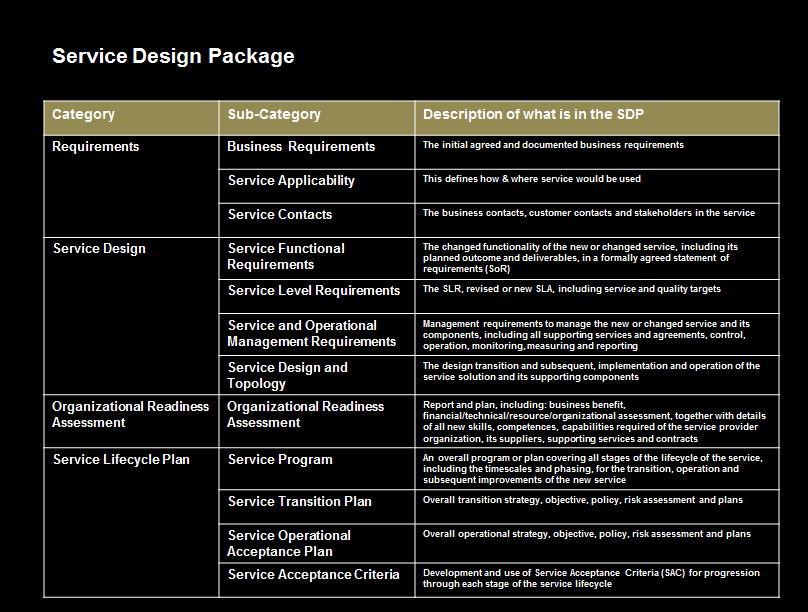
Designing IT services requires a holistic approach that considers both functional elements and operational requirements. One common method is the use of a Service Design Package (SDP), which outlines all aspects of an IT service throughout its lifecycle.
Elements of a Service Design Package
- Organizations and People: Defines the operating model, support matrix, and training needs.
- Information and Technology: Includes tooling, monitoring, data management, and vulnerability management.
- Partners and Suppliers: Covers contracts, service integration, and critical success factors.
- Value Streams and Processes: Identifies critical paths and expedited processes for service delivery.
Provisioning IT Services

Provisioning IT services involves delivering them to users in a way that meets their needs. However, the rise of shadow IT—where employees use unsanctioned software and devices—has introduced new challenges. According to Cisco, 80% of end users use software not cleared by IT, highlighting the need for closer collaboration between IT and business units.
Addressing Shadow IT
- Collaboration: Encourage open communication between IT and business users.
- Governance: Implement policies to ensure compliance and security.
- Agility: Provide tools and services that align with user preferences without compromising oversight.
Supporting IT Services
Supporting IT services requires mechanisms to capture and fulfill user queries. A request catalog is a common tool used to manage service requests, providing details on new and existing services. While requests and issues are handled differently, both require logging, assignment, and transparent communication.
Best Practices for Support
- Request Catalogs: Host detailed information on service requests via digital channels.
- Issue Management: Prioritize urgent issues to minimize downtime.
- Transparency: Keep users informed about the status and expected timelines for resolution.
The State of IT Services Today
As businesses continue to embrace digital transformation, the importance of IT services will only grow. From customer interactions to internal operations, IT services underpin nearly every aspect of modern business. Understanding how to categorize, design, deliver, and support these services is essential for any IT department aiming to stay competitive.
By leveraging ITSM principles and frameworks like ITIL, organizations can ensure that their IT services are aligned with business goals, resilient to change, and capable of driving long-term value. As the digital landscape evolves, so too must the strategies and practices that govern IT service management.