The Power of Public Cloud Services: Scalability, Cost Efficiency, and More
In today’s fast-paced digital landscape, businesses are constantly seeking ways to optimize operations, reduce costs, and stay ahead of the competition. One of the most transformative solutions in this regard is the use of public cloud services. As organizations increasingly rely on technology to drive innovation and growth, the public cloud has emerged as a critical enabler of agility, reliability, and sustainability. This article explores the key benefits of public cloud services, including scalability, cost efficiency, faster time to market, reliability, and sustainability.
Scalability: Growing with Your Business
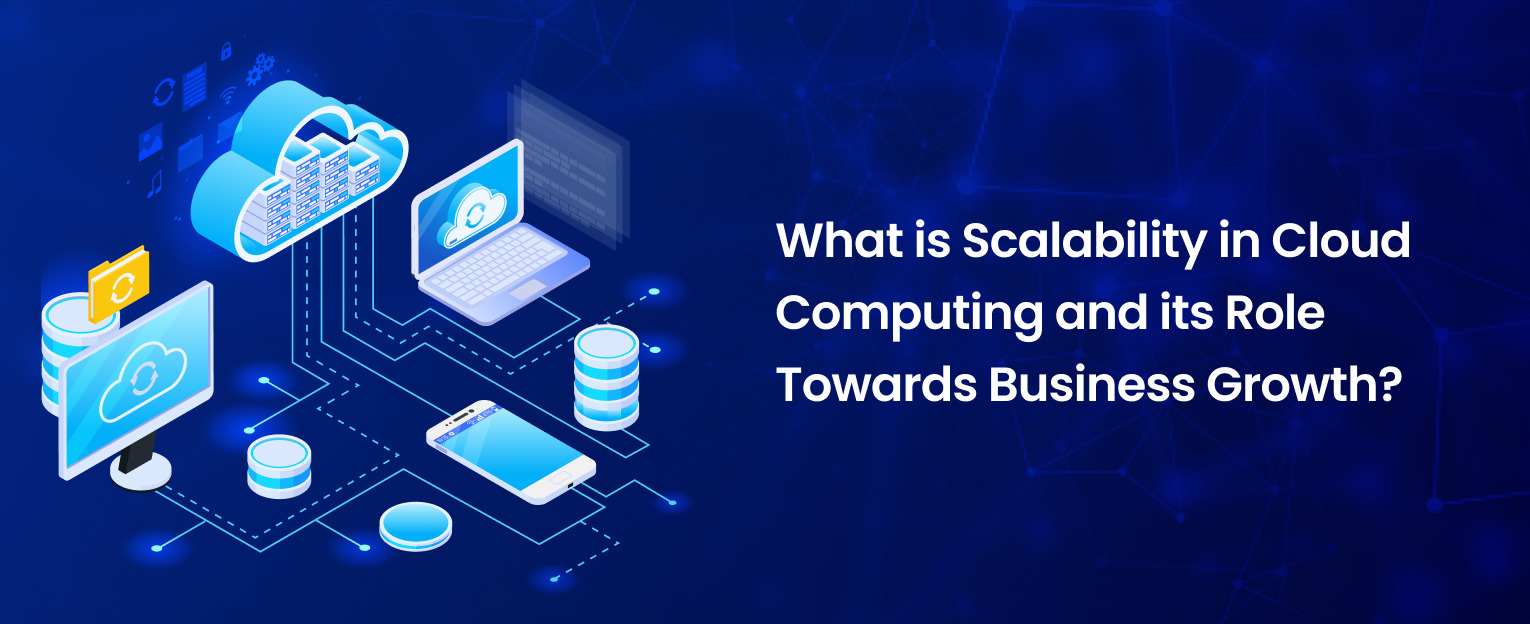
One of the most significant advantages of public cloud services is their ability to scale seamlessly. Unlike traditional on-premises infrastructure, which often requires significant upfront investment and long-term planning, the public cloud allows businesses to adjust their resource usage dynamically based on demand. Whether you need to handle a sudden surge in traffic or scale down during off-peak hours, the public cloud offers virtually unlimited capacity.
Public cloud providers maintain data centers around the globe, enabling businesses to deploy applications closer to their end users. This not only enhances performance but also ensures that your services remain responsive and efficient, even at scale. With the ability to quickly allocate additional computing power, storage, or networking resources, businesses can adapt to changing market conditions without the constraints of physical hardware.
Cost Efficiency: Pay Only for What You Use

The pay-as-you-go model of public cloud services revolutionizes how businesses manage their IT budgets. Instead of investing heavily in hardware and infrastructure, companies can opt for a flexible pricing structure that aligns with their actual usage. This model eliminates the need for large capital expenditures and reduces the risk of underutilized resources.
Moreover, many public cloud providers offer various pricing options, such as free tiers, reserved instances, and spot instances, allowing organizations to optimize costs further. By leveraging these models, businesses can significantly reduce their operational expenses while maintaining high levels of performance and reliability.
Faster Time to Market: Accelerating Innovation

Public cloud services empower businesses to innovate more rapidly by freeing up internal IT teams from the burden of infrastructure management. Cloud providers handle maintenance, updates, and security measures, allowing developers to focus on building and deploying new applications. This shift in focus enables organizations to bring products and services to market faster, responding to customer needs with greater agility.
Additionally, the availability of prebuilt services and tools in the public cloud streamlines the development process. Developers can leverage existing platforms and APIs to create sophisticated applications without the need for extensive setup and configuration. This not only accelerates development cycles but also reduces the complexity associated with managing custom infrastructure.
Reliability: Ensuring Continuous Operations

Reliability is a cornerstone of public cloud services, as providers invest heavily in robust infrastructure and advanced technologies. With multiple data centers strategically located worldwide, businesses can ensure high availability and disaster recovery capabilities. Automatic backup solutions, content delivery networks, and load balancers work together to minimize downtime and protect critical data.
Furthermore, public cloud providers continuously update their systems with the latest hardware and software, ensuring that customers benefit from cutting-edge technology without the hassle of manual upgrades. This commitment to reliability and performance makes the public cloud an attractive option for businesses that require consistent access to their applications and data.
Sustainability: Reducing Environmental Impact

As environmental concerns become increasingly pressing, the public cloud offers a sustainable alternative to traditional IT infrastructure. Cloud providers leverage economies of scale to optimize energy consumption and invest in renewable energy sources. By sharing resources across multiple customers, businesses can significantly reduce their carbon footprint.
Additionally, many public cloud providers offer tools and resources to help organizations monitor and manage the environmental impact of their cloud usage. This transparency enables businesses to make informed decisions and contribute to a more sustainable future.
The Future of Enterprise Computing

The adoption of public cloud services represents one of the most significant shifts in enterprise computing. With the global market for public cloud computing growing rapidly, it’s clear that the trend is here to stay. Analysts predict that worldwide public cloud revenues will exceed USD 330 billion by the end of 2022, underscoring the widespread recognition of its value.
Businesses are drawn to the public cloud for its elasticity, scalability, and cost-effectiveness. By reducing reliance on on-premises infrastructure, organizations can achieve greater efficiency and flexibility. As more enterprises embrace the cloud, the competitive landscape continues to evolve, driven by innovation and technological advancement.
Conclusion
Public cloud services have transformed the way businesses operate, offering unparalleled scalability, cost efficiency, and reliability. From enabling faster time to market to promoting sustainability, the benefits of the public cloud are clear. As the digital landscape continues to evolve, the public cloud remains a vital tool for organizations seeking to thrive in an increasingly connected world. Whether you’re a small startup or a large enterprise, the public cloud provides the foundation needed to drive innovation, reduce costs, and achieve long-term success.