The Rise of Cloud Computing: Transforming Industries and Everyday Life
Cloud computing has become an integral part of modern life, revolutionizing how businesses, governments, and individuals access and manage data. At its core, cloud computing refers to the on-demand availability of IT resources over the internet, offering a flexible and scalable solution for storing, processing, and managing data. This technology has evolved from a niche concept into a cornerstone of digital transformation across various sectors. From online data storage to big data analysis, cloud computing is reshaping industries and redefining what’s possible in the digital age.
Understanding the Basics of Cloud Computing
Cloud computing is typically divided into three main service models: Infrastructure as a Service (IaaS), Platform as a Service (PaaS), and Software as a Service (SaaS). IaaS provides virtualized computing resources such as servers and storage, while PaaS offers a platform for developing and deploying applications. SaaS delivers software applications over the internet, eliminating the need for local installations. These models allow businesses to access a wide range of tools and services without the burden of maintaining physical infrastructure.
In addition to these service models, cloud computing is categorized into four deployment models: public cloud, private cloud, hybrid cloud, and community cloud. Public clouds are owned and operated by third-party providers, while private clouds are dedicated to a single organization. Hybrid clouds combine elements of both public and private clouds, and community clouds are shared among organizations with common interests. These deployment models provide flexibility and customization, allowing businesses to choose the best fit for their needs.
Real-World Applications of Cloud Computing

The versatility of cloud computing has led to its widespread adoption across various industries. One of the most common applications is online data storage, where businesses can store files, images, and videos on cloud storage platforms. This eliminates the need for physical storage systems, reducing costs and providing easy access to data from anywhere. Cloud storage also offers robust backup and recovery solutions, ensuring that data is protected against loss or damage.
Big data analysis is another critical application of cloud computing. With the exponential growth of data, traditional data management systems struggle to handle the volume, variety, and velocity of information. Cloud computing provides the necessary infrastructure and tools to store and analyze large datasets, enabling businesses to gain valuable insights and make informed decisions. Companies like Civis Analytics and SPINS leverage the cloud to process and interpret big data, helping organizations understand consumer behavior and market trends.
Testing and development have also benefited from cloud computing. Setting up development environments and testing platforms traditionally required significant investment in hardware and software. Cloud computing simplifies this process by providing scalable and flexible resources, allowing developers to test and deploy applications quickly. Platforms like AWS Lambda and Heroku enable developers to run code and manage applications without the need for server maintenance.
Cybersecurity is another area where cloud computing plays a vital role. Cloud-based antivirus solutions, such as those offered by Forcepoint and Carbonite, provide remote monitoring and protection against cyber threats. These solutions help businesses safeguard sensitive data and reduce the risk of security breaches. Additionally, cloud computing enables organizations to implement robust data governance policies, ensuring compliance with regulatory requirements.

Cloud Computing in Education and E-Governance
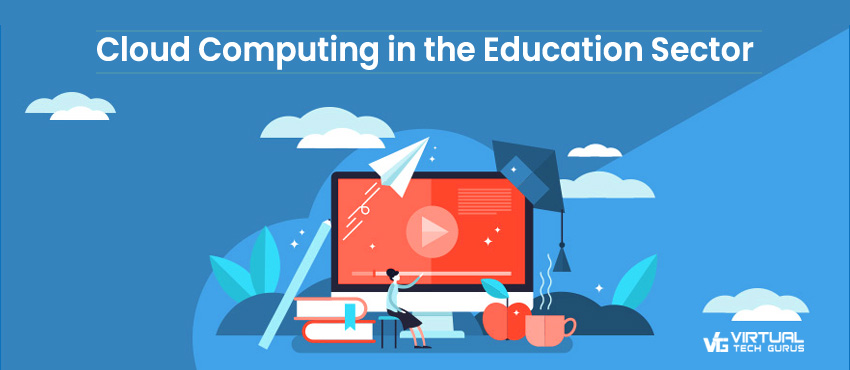
The education sector has also embraced cloud computing, transforming the way students and educators access information. Cloud-based learning platforms, such as e-learning and online distance learning, provide students with flexible and accessible educational resources. Institutions can use cloud computing to manage student information portals, facilitating communication between students, faculty, and administrators. This shift has made education more inclusive and efficient, especially in remote and underserved areas.
E-governance is another area where cloud computing has made a significant impact. Governments can utilize cloud services to streamline operations, reduce costs, and improve public services. By migrating to the cloud, government agencies can enhance scalability, customize services, and ensure seamless delivery of information to citizens. Cloud computing also supports disaster recovery and business continuity, ensuring that critical services remain operational during emergencies.
Entertainment and Social Applications

Entertainment industries have leveraged cloud computing to deliver on-demand content to a global audience. Streaming services like Netflix and YouTube rely on cloud infrastructure to store and distribute video content, enabling users to access entertainment from any device. Cloud-based entertainment platforms offer a diverse range of applications, including online music, video conferencing, and gaming, making it easier for consumers to engage with digital content.
Social applications and business tools have also benefited from cloud computing. Platforms like Slack and Zoom provide collaborative workspaces and communication tools that facilitate remote work and team collaboration. These services are hosted on the cloud, ensuring accessibility and reliability for users around the world. Cloud computing also supports business applications, enabling companies to manage customer relationships, track sales, and optimize operations.
The Future of Cloud Computing

As technology continues to advance, the future of cloud computing looks promising. Emerging trends such as edge computing, artificial intelligence, and the Internet of Things (IoT) are expected to further enhance the capabilities of cloud computing. Edge computing brings data processing closer to the source, reducing latency and improving performance. AI and machine learning will enable more intelligent data analysis, while IoT will expand the reach of cloud services to connected devices.
Organizations are increasingly adopting multi-cloud strategies, leveraging multiple cloud providers to optimize performance and reduce dependency on a single vendor. This approach ensures redundancy, scalability, and flexibility, allowing businesses to adapt to changing demands. As cloud computing becomes more integrated into everyday life, its impact on industries and society will continue to grow, driving innovation and transforming the way we live and work.