
The Future of Web Hosting: Exploring the Benefits and Advantages of Cloud Hosting
In today’s fast-paced digital world, businesses need reliable and scalable solutions to support their online presence. One such solution that has gained immense popularity is cloud hosting. Unlike traditional hosting methods, cloud hosting offers a flexible and cost-effective way for organizations to access computing resources without the burden of upfront costs. This article delves into the benefits of cloud hosting, its unique features, and how it compares to other web hosting options.
What is Cloud Hosting?
Cloud hosting is a type of web hosting that utilizes a network of connected virtual and physical servers to store and manage website data. Instead of relying on a single server, as in traditional hosting, cloud hosting distributes the workload across multiple servers, ensuring greater flexibility, scalability, and reliability. This approach allows businesses to handle traffic spikes and maintain high performance without the need for extensive hardware investments.
Key Benefits of Cloud Hosting

1. Scalability
One of the most significant advantages of cloud hosting is its scalability. Businesses can easily adjust their computing resources based on demand. Whether you need more storage, processing power, or bandwidth, cloud providers can allocate additional resources instantly. This flexibility ensures that your website can handle sudden traffic surges without downtime.
2. Availability
Cloud hosting providers typically have data centers located around the globe, which reduces latency and increases availability. They also implement failover mechanisms, load balancers, and content delivery networks (CDNs) to ensure that your applications are always accessible. This global infrastructure guarantees that users worldwide can access your services seamlessly.
3. Cost Efficiency
Traditional hosting often requires significant upfront investments in hardware and infrastructure. Additionally, ongoing maintenance costs can be substantial. In contrast, cloud hosting operates on a pay-as-you-go model, allowing businesses to only pay for the resources they use. This cost efficiency makes cloud hosting an attractive option for small and medium-sized enterprises.
4. Security
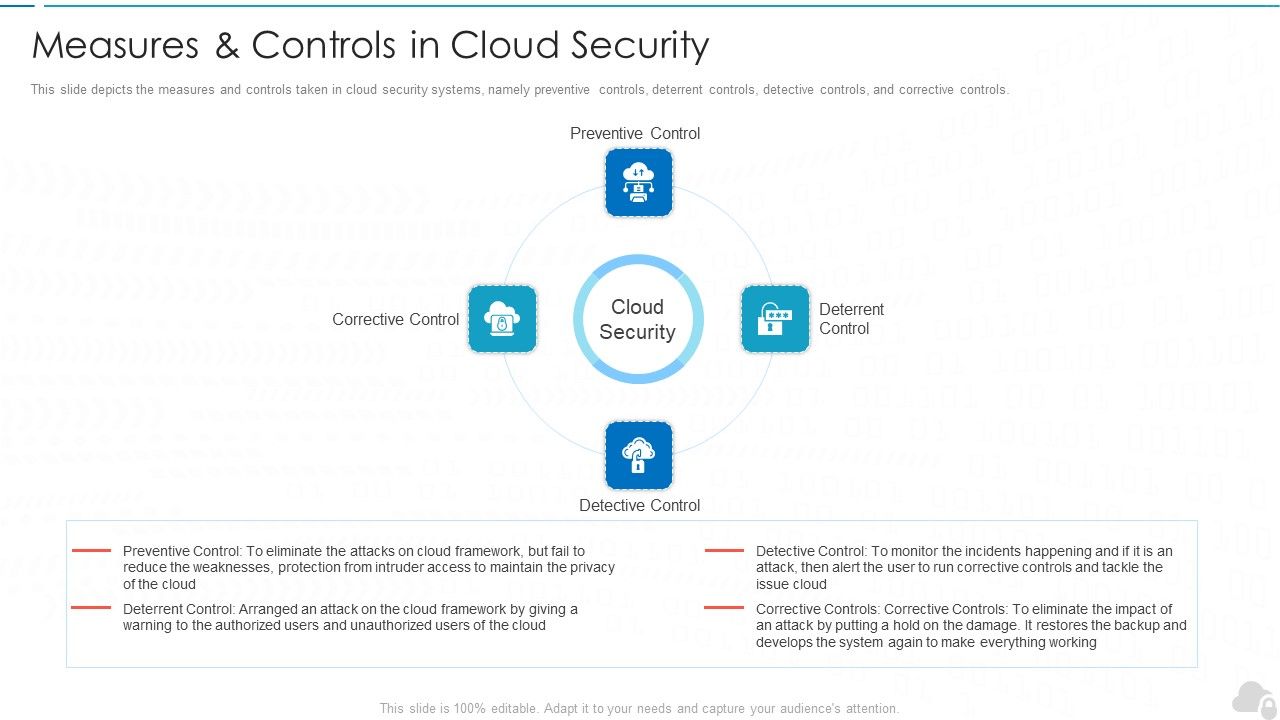
Security is a top priority for cloud hosting providers. They invest heavily in robust security systems, including regular updates, patches, and advanced threat detection. Many providers also offer disaster recovery options, data backup, and encryption to protect sensitive information. These measures ensure that your data remains secure and compliant with industry standards.
5. Time to Market
Cloud hosting accelerates the development and deployment of new applications and services. By leveraging cloud environments, businesses can integrate new technologies, test them quickly, and bring products to market faster. This agility is crucial for staying competitive in today’s dynamic business landscape.
How Does Cloud Hosting Work?
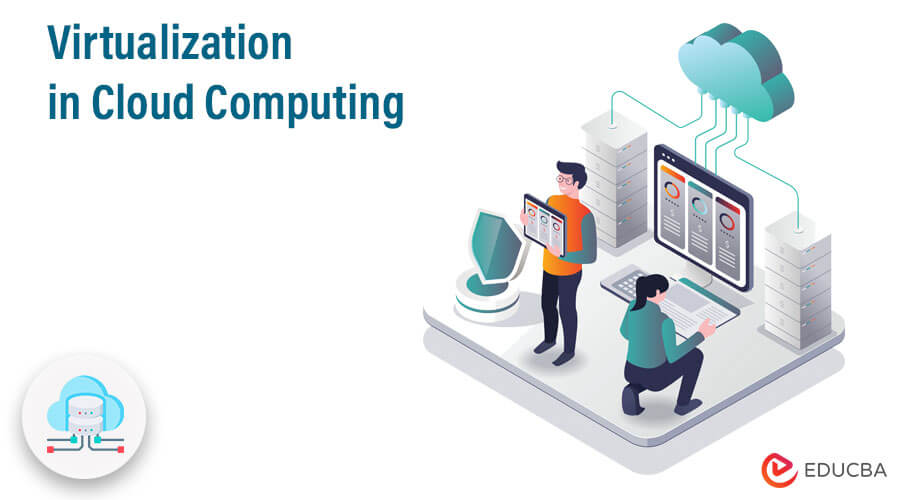
Cloud hosting relies on virtualization technology, which uses software to create an abstraction layer over computer hardware. This allows a single physical server to be divided into multiple virtual machines (VMs), each with its own operating system and resources. Virtualization enables efficient resource utilization, making it possible for businesses to purchase only the computing resources they need when they need them.
Users can access cloud hosting services through a web-based interface, where they can request software, hardware, and service updates. These requests are fulfilled instantly, and updates are often automated. This ease of access simplifies the management of IT infrastructure and reduces the need for technical expertise.
Cloud Hosting vs. Traditional Hosting

While both cloud and traditional hosting involve renting virtual space on a server, there are key differences:
- Resource Allocation: Cloud hosting provides more computing power and flexibility compared to traditional hosting.
- IP Address: Cloud hosting typically offers a dedicated IP address, whereas traditional hosting often uses a shared IP.
- Performance: Cloud hosting ensures better performance and uptime due to its distributed infrastructure.
- Cost: Cloud hosting operates on a pay-as-you-go model, making it more cost-effective for many businesses.
Cloud Hosting vs. Shared Hosting
Shared hosting is a more affordable option but comes with limitations. It shares server resources among multiple websites, which can lead to performance issues during traffic spikes. Additionally, shared hosting often uses a shared IP address, increasing the risk of security threats and email deliverability issues.
Cloud Hosting vs. VPS Hosting
Virtual Private Server (VPS) hosting offers dedicated resources and root access, making it suitable for tech-savvy users. However, it requires more technical knowledge to manage compared to managed cloud hosting. Cloud hosting provides a more user-friendly experience with automatic updates and maintenance.
Cloud Hosting vs. Dedicated Server Hosting
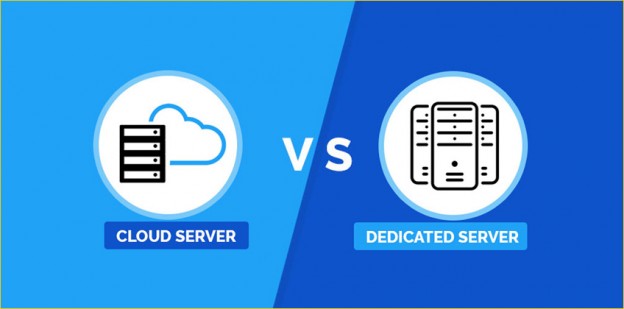
Dedicated server hosting offers the highest level of performance and control but at a significantly higher cost. It is ideal for large organizations with complex requirements. Cloud hosting, on the other hand, provides a balance between performance, cost, and ease of use, making it a popular choice for businesses of all sizes.
Who Should Use Cloud Hosting?

Cloud hosting is ideal for businesses that require stability, reliability, and scalability. It is particularly beneficial for:
- eCommerce Stores: Handling large volumes of traffic and transactions.
- News Portals: Managing content-rich websites with multimedia elements.
- Social Networks and Forums: Supporting large user bases.
- Aggregator Platforms: Processing and managing vast amounts of data.
Choosing the Right Cloud Hosting Provider
When selecting a cloud hosting provider, consider factors such as pricing, performance, scalability, reliability, security, and customer support. Providers like Hostinger offer various plans tailored to different business needs, from startups to enterprise-level operations.
Conclusion
Cloud hosting represents a transformative shift in the way businesses manage their online presence. With its scalability, cost efficiency, security, and ease of use, it offers a compelling alternative to traditional hosting solutions. As more organizations embrace digital transformation, cloud hosting will continue to play a vital role in driving innovation and growth.