Understanding SaaS Companies: A Comprehensive Guide to the Future of Software
In the ever-evolving world of technology, Software as a Service (SaaS) has become a dominant model for delivering software solutions. This innovative approach allows businesses and individuals to access powerful applications over the internet, eliminating the need for complex installations and ongoing maintenance. As more companies adopt this model, understanding what a SaaS company is and how it operates becomes increasingly important.
What Is a SaaS Company?
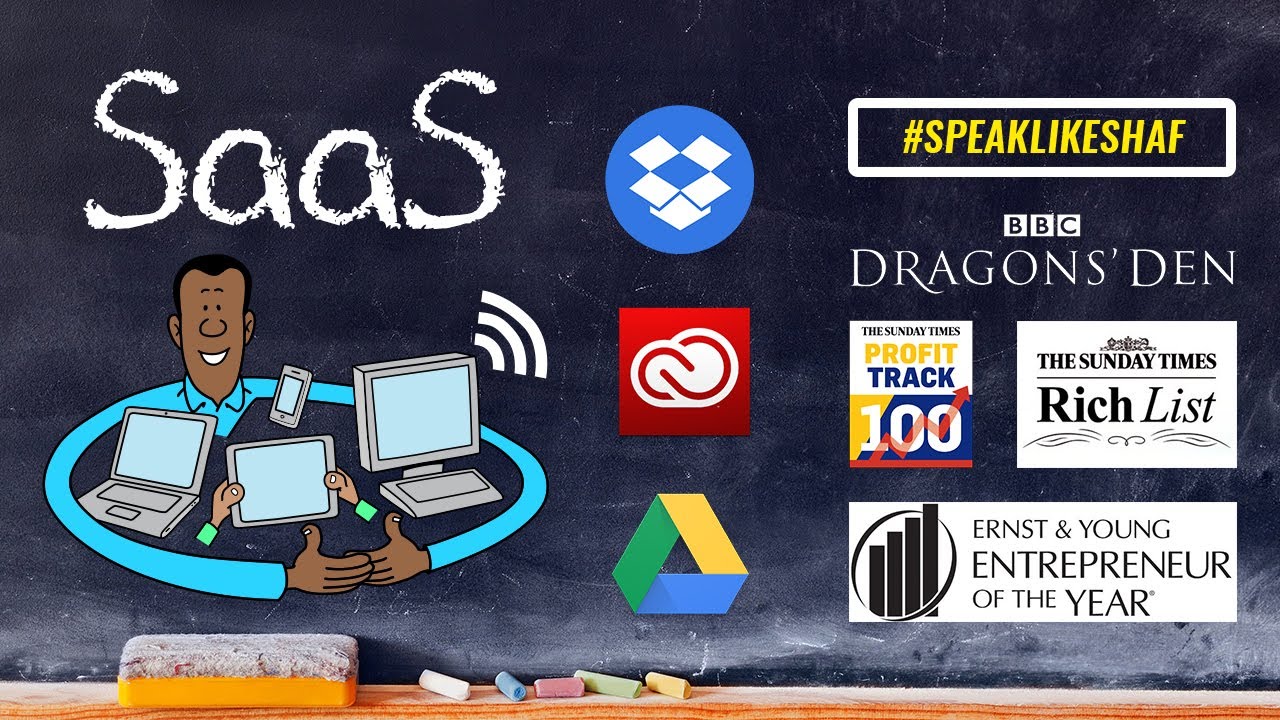
At its core, a SaaS company provides software applications through the cloud, enabling users to access these tools on-demand via the internet. Unlike traditional software models where users must install and maintain programs locally, SaaS solutions are hosted by the provider, who manages all updates, security, and infrastructure. This model offers significant advantages in terms of cost, scalability, and accessibility.
One of the defining characteristics of a SaaS company is its subscription-based pricing. Users pay a recurring fee—monthly or annually—to access the software, which means they can scale their usage up or down based on their needs. This flexibility makes SaaS an attractive option for businesses of all sizes, from startups to large enterprises.
How Does SaaS Work?

The SaaS model operates on a two-part structure: the vendor develops and hosts the software, while the customer licenses it for use. The vendor is responsible for maintaining the application, ensuring regular updates, and handling any technical issues that may arise. Customers, in turn, benefit from immediate access to the latest features without the burden of managing the underlying infrastructure.
This model relies heavily on cloud computing, with providers like Amazon Web Services (AWS) and Google Cloud hosting the necessary servers, databases, and applications. The software is typically accessed through a web browser or mobile app, making it highly accessible across different devices.
Benefits of SaaS
There are numerous benefits to adopting a SaaS model, both for the provider and the user. One of the most significant advantages is the reduction in upfront costs. Traditional software often requires substantial investment in hardware, installation, and ongoing maintenance. In contrast, SaaS eliminates these expenses, allowing businesses to focus on growth rather than infrastructure.
Another key benefit is scalability. SaaS applications can easily accommodate growing user bases and increasing data demands without requiring additional hardware or IT staff. This makes it ideal for businesses that expect rapid expansion or fluctuating workloads.
Additionally, SaaS ensures that users always have access to the latest features and improvements. Since the vendor handles all updates, customers don’t need to worry about manually installing patches or upgrading their systems. This not only saves time but also enhances the overall user experience.
Challenges of SaaS
While SaaS offers many advantages, it’s not without its challenges. One of the primary concerns is the loss of control. When a business uses a SaaS solution, it relinquishes some degree of control over the software and its data. Any issues or downtime are typically resolved by the vendor, which can be frustrating if the service doesn’t meet expectations.
Data security is another critical consideration. Since SaaS involves storing sensitive information on third-party servers, businesses must ensure that their providers implement robust security measures. While reputable SaaS companies take data protection seriously, there is always a risk of breaches or misconfigurations.
Integration can also be a challenge. SaaS applications often need to work seamlessly with other tools and systems within a company’s ecosystem. If integration is not handled properly, it can lead to inefficiencies and data silos.
Examples of SaaS Companies

Several well-known companies have successfully implemented the SaaS model, offering a wide range of services to businesses and consumers alike. Here are a few notable examples:
- Salesforce: A leading provider of customer relationship management (CRM) tools, Salesforce allows businesses to manage interactions with customers and streamline sales processes.
- Slack: A communication platform designed to improve team collaboration, Slack has become a staple in many workplaces.
- Dropbox: A file hosting service that enables users to store, share, and collaborate on documents online.
- HubSpot: An all-in-one marketing, sales, and service platform that helps businesses grow and engage with their audience.
These companies exemplify the versatility and effectiveness of the SaaS model, demonstrating how it can be applied across various industries and use cases.
SaaS vs. Other Cloud Models

It’s important to distinguish SaaS from other cloud computing models such as Infrastructure as a Service (IaaS) and Platform as a Service (PaaS). While SaaS focuses on delivering ready-to-use applications, IaaS provides the underlying infrastructure, and PaaS offers a framework for developers to build and deploy custom applications.
Understanding these differences can help businesses choose the right cloud model based on their specific needs and capabilities.
Frequently Asked Questions About SaaS
What does SaaS mean?
SaaS stands for Software as a Service. It refers to a cloud-based software delivery model where users access applications over the internet through a subscription.
What is the difference between SaaS and PaaS?
SaaS provides ready-to-use applications, while PaaS offers a development platform for creating custom applications. With SaaS, the vendor manages the entire application, whereas with PaaS, developers are responsible for their own applications.
How do users access SaaS applications?
Users typically access SaaS applications through a web browser or mobile app, without needing to install software locally.
Do customers own SaaS software?
No, customers pay for the right to use the software but do not own it. The vendor maintains and updates the software.
Conclusion
SaaS companies have revolutionized the way software is delivered and consumed, offering a flexible, scalable, and cost-effective solution for businesses and individuals alike. While there are challenges to consider, the benefits of SaaS make it an attractive option for organizations looking to stay competitive in today’s digital landscape.
As the demand for cloud-based solutions continues to grow, the role of SaaS companies will only become more prominent. Whether you’re a small startup or a global enterprise, embracing the SaaS model can unlock new opportunities for innovation and efficiency.