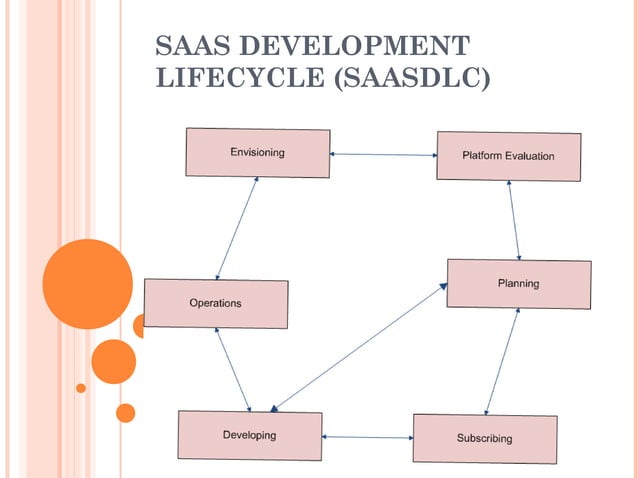
The SaaS Development Lifecycle: A Comprehensive Guide for Entrepreneurs
Software-as-a-Service (SaaS) has revolutionized the way businesses operate, offering scalable, cost-effective solutions that cater to a wide range of industries. For entrepreneurs and startups, building a SaaS product is both an opportunity and a challenge. Understanding the SaaS development lifecycle is crucial for navigating this complex process successfully. This article breaks down the key stages of SaaS development, highlighting the importance of each phase and providing insights into best practices.
1. Planning Stage: Laying the Foundation
The first step in any SaaS development journey is planning. This stage involves conceptualizing the product, conducting market research, and defining the business strategy. During this phase, stakeholders such as software architects, investors, and developers collaborate to outline the vision and scope of the application.
Key activities during the planning stage include:
– Generating and validating the SaaS application idea: Ensuring the concept aligns with market needs.
– Conducting thorough market analysis: Identifying competitors and understanding customer pain points.
– Defining business strategies: Establishing short, medium, and long-term goals.
– Assessing cloud architecture: Evaluating the technical requirements for scalability and security.
This phase sets the foundation for the entire project, ensuring that all subsequent steps are aligned with the initial vision.
2. Subscription Stage: Choosing the Right Tools

Once the planning phase is complete, the next step is selecting the right tools and platforms for the SaaS product. This includes choosing a cloud provider, deciding on the development methodology, and selecting the appropriate technology stack.
Key considerations during this stage:
– Choosing a Cloud Provider: Factors like scalability, cost-effectiveness, and support are critical when selecting a cloud provider such as Amazon AWS, Google Cloud, or Microsoft Azure.
– Selecting the Development Approach: Agile, Scrum, Waterfall, and Spiral methodologies each offer unique advantages depending on the project’s needs.
– Choosing the Technology Stack: Decisions about front-end and back-end technologies, databases, and integration with emerging technologies like AI and blockchain must be made.
3. Design Stage: Crafting the User Experience

The design phase focuses on creating a user-friendly interface and ensuring the product meets the needs of its target audience. This stage involves developing wireframes, prototypes, and final designs that reflect the product’s functionality and aesthetics.
Key activities during the design phase:
– Creating a user-friendly interface: Ensuring the design is intuitive and easy to navigate.
– Developing wireframes and prototypes: Testing the design with potential users to gather feedback.
– Incorporating user feedback: Refining the design based on user input to enhance usability.
4. Development Stage: Building the Product

The development stage is where the actual coding and implementation take place. This phase involves translating the design into a functional product, integrating features, and ensuring the application is secure and scalable.
Key aspects of the development phase:
– Frontend and backend development: Creating the user-facing and server-side components of the application.
– Integration of third-party services: Incorporating APIs and other external services to enhance functionality.
– Security measures: Implementing encryption, access controls, and regular security audits to protect user data.
5. Testing Stage: Ensuring Quality and Reliability

Testing is a critical phase in the SaaS development lifecycle. It involves identifying and resolving bugs, usability issues, and security vulnerabilities to ensure the product meets the highest standards.
Key testing activities:
– Comprehensive testing: Conducting unit tests, integration tests, and system tests to identify and fix issues.
– User acceptance testing (UAT): Gathering feedback from real users to ensure the product meets their expectations.
– Performance testing: Ensuring the application can handle high traffic and maintain optimal performance.
6. Launch Stage: Bringing the Product to Market
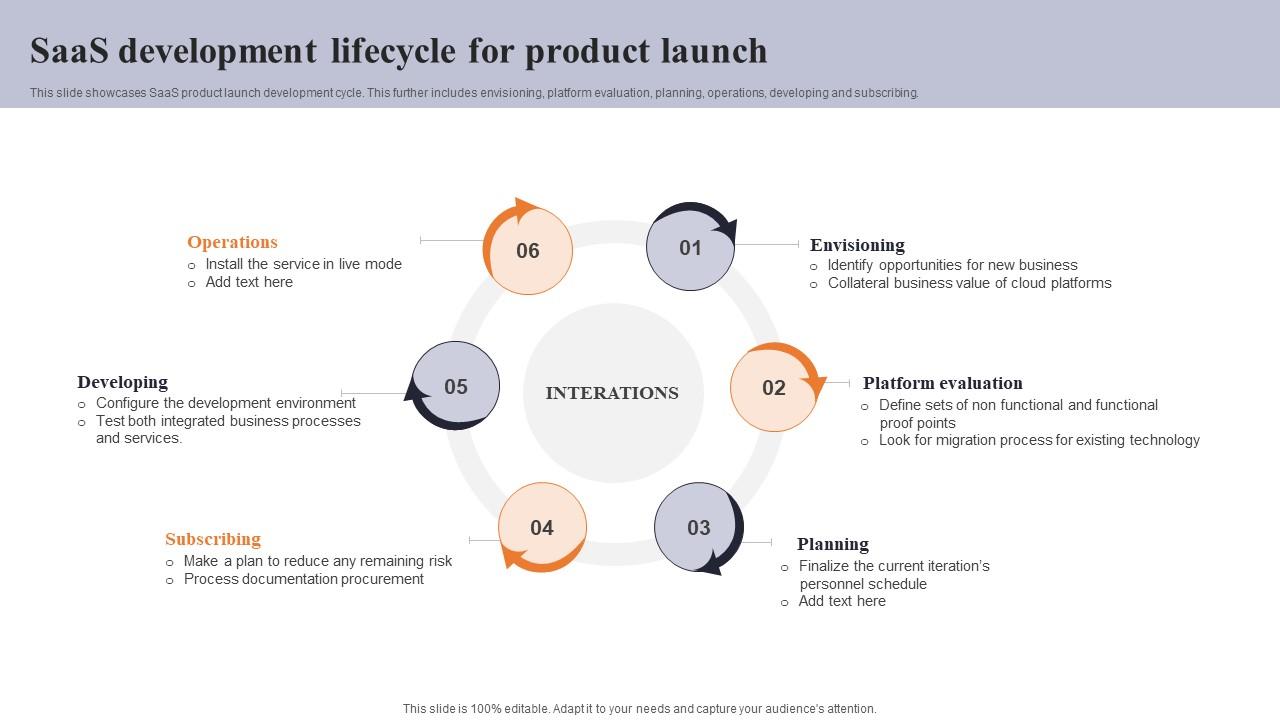
The launch stage involves preparing for the product’s release, creating a marketing strategy, and generating buzz among potential customers. This phase also includes setting up customer support and gathering initial feedback.
Key steps during the launch phase:
– Creating a marketing strategy: Developing a plan to promote the product and attract early adopters.
– Setting up customer support: Ensuring there are channels for users to seek assistance and provide feedback.
– Monitoring performance: Tracking key metrics such as user engagement, retention, and satisfaction.
7. Post-Launch Support: Continuous Improvement
After the product is launched, the focus shifts to ongoing support, maintenance, and improvement. This phase involves addressing user feedback, updating features, and ensuring the product remains competitive in the market.
Key activities during post-launch support:
– Providing ongoing customer support: Resolving issues and addressing user concerns promptly.
– Updating and enhancing features: Releasing new features and improvements based on user feedback.
– Monitoring and analyzing performance: Using analytics to track user behavior and make data-driven decisions.
Conclusion
Building a successful SaaS product requires a deep understanding of the development lifecycle and a commitment to continuous improvement. From the initial planning stages to post-launch support, each phase plays a critical role in ensuring the product meets the needs of its users and achieves long-term success. By following best practices and leveraging the right tools and teams, entrepreneurs can navigate the complexities of SaaS development and create innovative solutions that drive growth and value.