The Rise of Software as a Service: A Comprehensive Look at the Cloud Computing Revolution
In the ever-evolving landscape of technology, Software as a Service (SaaS) has emerged as a transformative force, reshaping how businesses and individuals access and utilize software. As a cloud computing service model, SaaS allows providers to deliver application software to clients over the internet, eliminating the need for traditional on-premises installations. This shift has not only simplified software management but also introduced new paradigms in cost efficiency, scalability, and accessibility. From small startups to global enterprises, SaaS is now the backbone of digital transformation.
Understanding SaaS: What It Is and How It Works
At its core, SaaS is a delivery model where software is hosted by a third-party provider and made available to customers over the internet. Unlike traditional software models, where users purchase licenses and manage infrastructure, SaaS operates on a subscription basis, with the provider handling all aspects of maintenance, updates, and security. This model is particularly appealing because it removes the burden of hardware acquisition, installation, and ongoing IT support from the end user.
Key Characteristics of SaaS
- Multi-Tenancy: Most SaaS applications are built using a multi-tenant architecture, meaning a single instance of the software serves multiple customers. This approach maximizes resource efficiency while maintaining data isolation between users.
- Accessibility: SaaS applications can be accessed from any device with an internet connection, making them ideal for remote work and hybrid environments.
- Scalability: Businesses can easily scale their usage up or down based on demand, without the need for additional infrastructure investments.
- Automatic Updates: Providers handle software updates, ensuring users always have access to the latest features and security patches.
The Evolution of SaaS: From Niche to Mainstream

The concept of SaaS began to take shape in the late 1990s, with companies like Salesforce and Amazon pioneering web-based applications. By the early 2000s, SaaS had gained traction, particularly with the rise of consumer-focused services like Gmail and Dropbox. However, it wasn’t until the mid-2010s that SaaS became the dominant method for software deployment, accounting for nearly 43% of the cloud computing market in 2019.
Early Adopters and Pioneers
- Salesforce: Launched in 1999, Salesforce was one of the first companies to offer customer relationship management (CRM) software as a service, setting the stage for modern SaaS models.
- Gmail: Introduced in 2004, Gmail popularized the idea of email as a cloud-based service, demonstrating the viability of SaaS for everyday consumers.
- Dropbox: Founded in 2007, Dropbox revolutionized file storage and sharing, showcasing the convenience and flexibility of SaaS for personal and business use.
SaaS vs. IaaS and PaaS: Understanding the Cloud Ecosystem
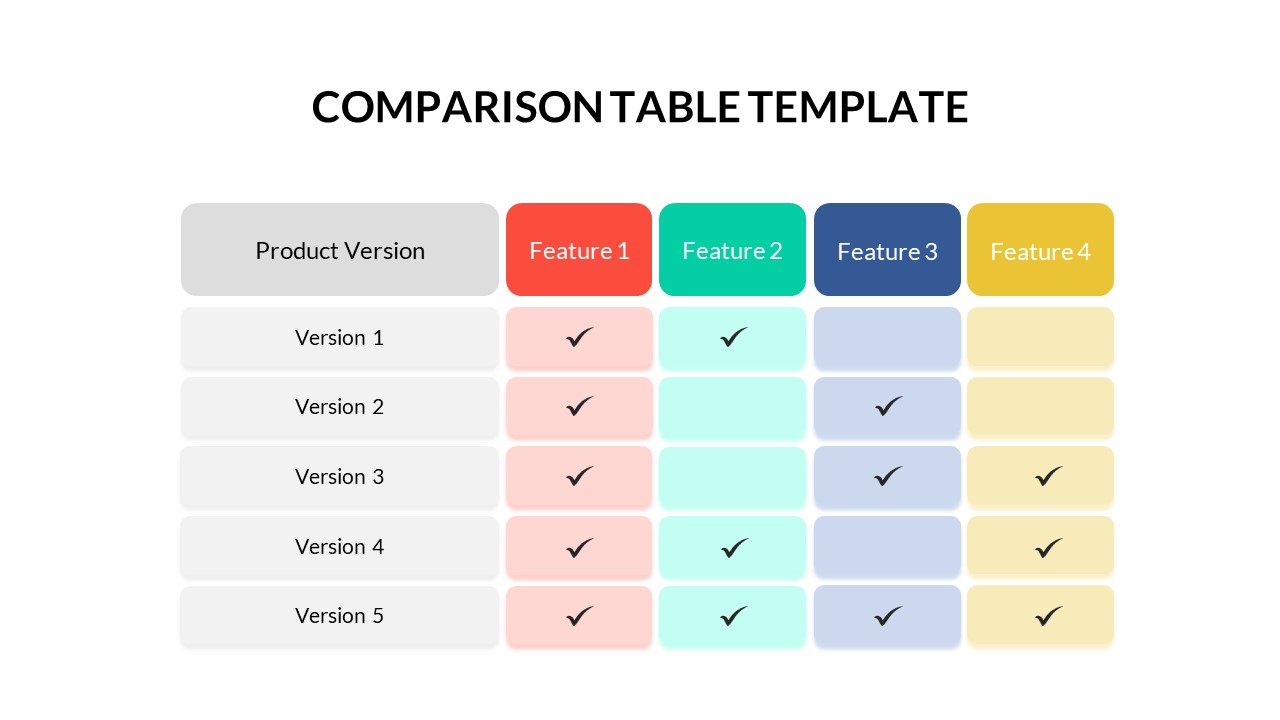
While SaaS is one of the most well-known cloud computing models, it is part of a broader ecosystem that includes Infrastructure as a Service (IaaS) and Platform as a Service (PaaS). Each model offers different levels of control and responsibility:
- IaaS provides virtualized computing resources over the internet, such as servers, storage, and networking. Users have more control over the infrastructure but must manage the operating system and applications themselves.
- PaaS offers a platform for developers to build, test, and deploy applications without managing the underlying infrastructure. It includes tools for development, testing, and deployment.
- SaaS delivers fully functional applications over the internet, with the provider handling all infrastructure, platform, and application management.
Comparing the Models
| Model | Control | Responsibility | Use Case |
|---|---|---|---|
| IaaS | High | User manages OS, apps | Custom infrastructure needs |
| PaaS | Medium | Provider handles infrastructure; user manages apps | Application development |
| SaaS | Low | Provider handles everything | Ready-to-use applications |
The Business Case for SaaS

For businesses, SaaS offers numerous advantages that make it an attractive option compared to traditional software deployment methods:
Cost Efficiency
- Reduced Upfront Costs: SaaS eliminates the need for large capital expenditures on hardware and software licenses.
- Predictable Expenses: Subscription-based pricing allows businesses to budget more effectively, with no unexpected costs for upgrades or maintenance.
- Lower Ongoing Costs: Providers handle maintenance, updates, and security, reducing the burden on internal IT teams.
Flexibility and Scalability
- Easy Scaling: Businesses can quickly add or remove users, features, or storage without the need for physical infrastructure changes.
- Global Access: SaaS applications can be accessed from anywhere, supporting remote and distributed teams.
Enhanced Security and Reliability
- Advanced Security Measures: SaaS providers typically invest heavily in cybersecurity, including encryption, access controls, and regular audits.
- High Uptime: Many SaaS vendors guarantee 99% or higher uptime, ensuring consistent availability for users.
Challenges and Risks of SaaS
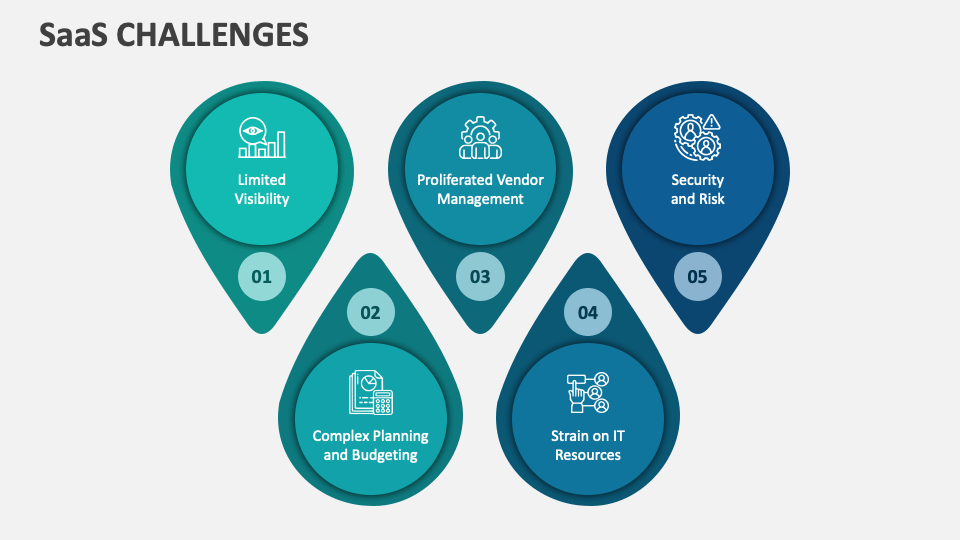
Despite its many benefits, SaaS is not without challenges. Businesses must carefully consider potential risks when adopting SaaS solutions:
Vendor Lock-In
Switching SaaS providers can be difficult due to proprietary technologies and data formats. This can lead to vendor lock-in, where businesses become dependent on a single provider.
Data Security Concerns
While SaaS providers implement robust security measures, the shared responsibility model means that businesses must also ensure proper configuration and access controls. Data breaches and misconfigurations can expose sensitive information.
Limited Customization
Some SaaS applications may lack the flexibility needed for highly customized workflows. Businesses may find themselves limited by the features and configurations offered by the provider.
Dependency on Internet Connectivity
SaaS relies on a stable internet connection, which can be a challenge in areas with poor connectivity or during outages.
Popular SaaS Products and Services

From productivity tools to entertainment platforms, SaaS has permeated nearly every aspect of daily life. Some of the most widely used SaaS products include:
- Microsoft 365: A suite of productivity tools, including Word, Excel, and Teams.
- Salesforce: A leading CRM platform for managing customer interactions.
- Zoom: A video conferencing tool that has become essential for remote communication.
- Netflix: A streaming service that delivers content directly to users via the cloud.
- Slack: A collaboration platform that streamlines team communication.
The Future of SaaS
As technology continues to evolve, the future of SaaS looks promising. Emerging trends such as artificial intelligence, machine learning, and edge computing are expected to further enhance the capabilities of SaaS applications. Additionally, the increasing adoption of hybrid cloud models and the growing demand for personalized experiences will drive innovation in the SaaS space.
With its ability to deliver powerful software solutions at scale, SaaS is set to remain a cornerstone of the digital economy. Whether you’re a small business owner or a global enterprise, understanding the nuances of SaaS can help you make informed decisions about your technology strategy.