The Future of SaaS: Innovative Business Ideas and Key Trends in 2023
In the ever-evolving landscape of technology, Software-as-a-Service (SaaS) has emerged as a dominant business model, revolutionizing how companies operate and deliver value. With its flexibility, scalability, and cost-efficiency, SaaS is not just a trend—it’s a transformative force reshaping industries across the globe. For entrepreneurs and startups, the SaaS space offers immense opportunities, but it also comes with unique challenges. This article explores the most promising SaaS business ideas for 2023, the competitive advantages of SaaS models, and the risks involved, all while highlighting the importance of innovation and adaptability in this dynamic field.
Understanding SaaS: A Foundation for Success
Before diving into the specifics of SaaS business ideas, it’s essential to understand what SaaS truly entails. SaaS is a software distribution model where applications are hosted by a third-party provider and made available to customers over the internet on a subscription basis. Unlike traditional software that requires installation on local servers or devices, SaaS allows users to access the software remotely, eliminating the need for complex infrastructure management.
The key components of SaaS include:
- Subscription-Based Pricing: Users pay a recurring fee for access to the software, which can vary based on features, user count, and service level.
- Cloud Hosting: The software is hosted on remote servers, ensuring accessibility from any device with an internet connection.
- Continuous Updates: Providers regularly update the software, ensuring users always have access to the latest features and security patches.
- Scalability: Businesses can easily scale their usage up or down based on demand, making SaaS ideal for growing organizations.
Top SaaS Business Ideas for 2023
With the right approach, SaaS can be a lucrative venture. Here are some of the most promising SaaS business ideas for 2023:
1. Property Management Platform
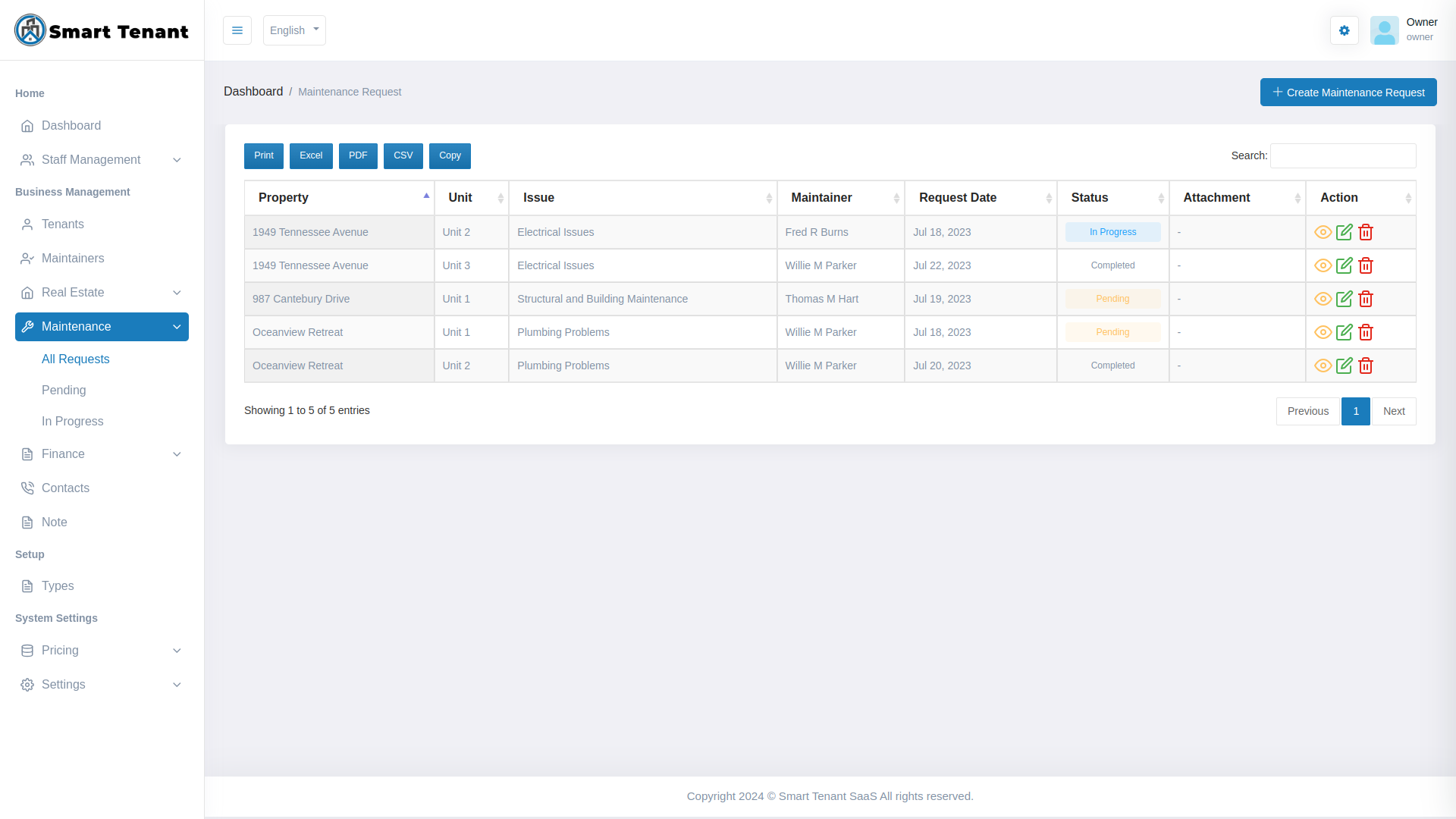
Real estate is a sector ripe for digital transformation. A property management SaaS platform could streamline tasks such as lease document creation, rent collection, portfolio management, and user administration. By automating these processes, the platform would save time and reduce errors, making it a valuable tool for landlords and property managers.
2. High-Quality CRM Tool

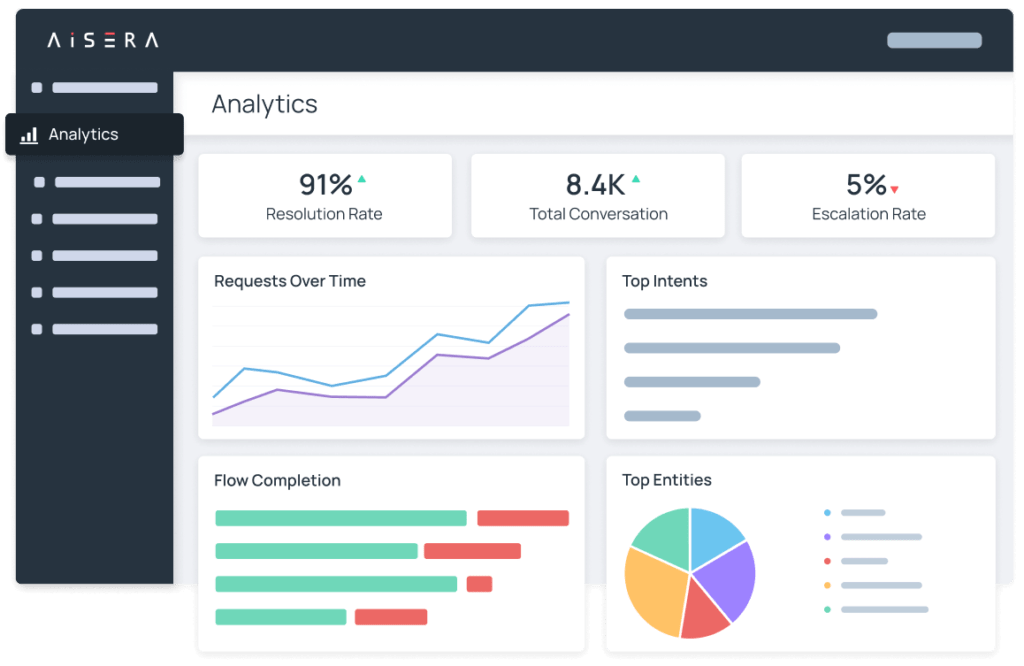
Customer Relationship Management (CRM) tools are essential for businesses looking to manage interactions with customers and prospects. A SaaS-based CRM solution could offer advanced features such as contact management, sales tracking, marketing automation, and customer support integration. With the market already saturated, differentiation through superior user experience and customization is key.
3. Accounts Receivable Automation
Financial management is a critical aspect of any business. An SaaS platform that automates accounts receivable processes could help businesses efficiently manage invoices, track payments, and generate reports. This would save time and reduce the risk of errors associated with manual data entry.
4. SaaS Training Courses
As the workforce becomes increasingly digital, there is a growing demand for online training and development. A SaaS platform offering specialized courses in areas like cloud computing, AI, and cybersecurity could cater to professionals seeking to enhance their skills. By partnering with industry experts, the platform could provide high-quality content tailored to specific needs.
5. Sales Tracking App
Sales teams require tools that can help them monitor performance, track leads, and close deals more effectively. A SaaS sales tracking app could offer features such as pipeline management, deal forecasting, and reporting. Integration with other tools like CRM systems would further enhance its value.
6. SaaS Blog
Content marketing remains a powerful strategy for businesses. A SaaS blog could focus on topics such as enterprise technology, software development, and AI, providing valuable insights to readers. By building a loyal audience, the blog could monetize through advertising, affiliate marketing, or sponsored content.
7. SaaS Social Media Analytics
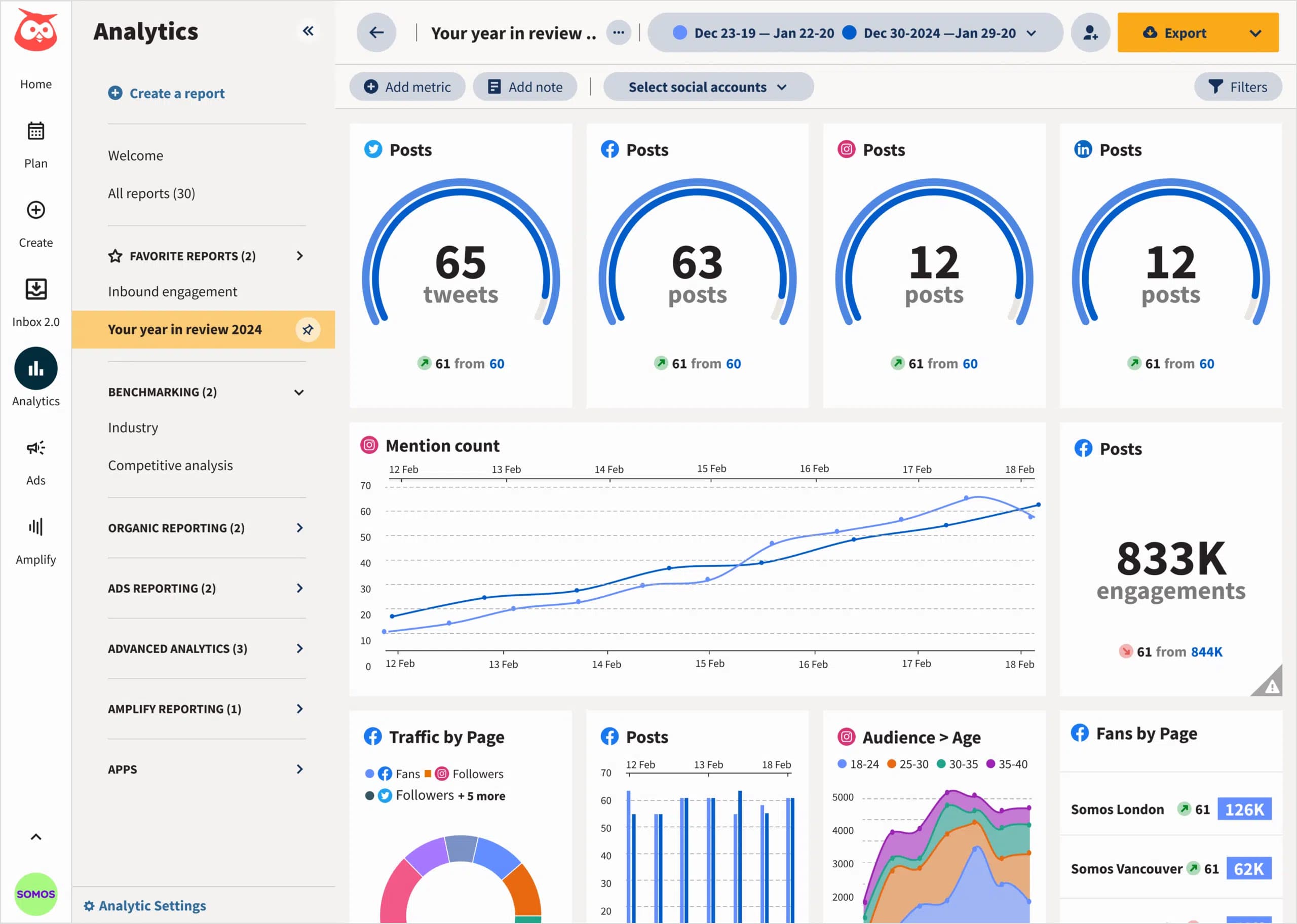
Social media is a vital channel for marketing and customer engagement. A SaaS platform that aggregates social media analytics could help businesses track performance across multiple platforms, identify trends, and optimize their strategies. Features such as sentiment analysis and competitor benchmarking would add significant value.
8. Payment Gateway

Payment processing is a fundamental aspect of e-commerce and online transactions. A SaaS payment gateway could offer a secure, scalable solution for businesses to accept various payment methods, including credit/debit cards, bank transfers, and mobile carrier billings. By simplifying the payment process, the platform could attract a wide range of users.
Competitive Advantages of SaaS Models
Despite the challenges, SaaS models offer several competitive advantages that make them attractive for entrepreneurs:
- Cost-Efficiency: SaaS reduces the need for upfront investments in infrastructure, making it accessible for startups and small businesses.
- Simple Updates: Automatic updates ensure that users always have access to the latest features and security enhancements.
- Mobility: Users can access the software from anywhere, on any device, enhancing flexibility and productivity.
- Continuous Tech Support: Dedicated support teams ensure that technical issues are resolved promptly, improving user satisfaction.
Risks of SaaS Business Models
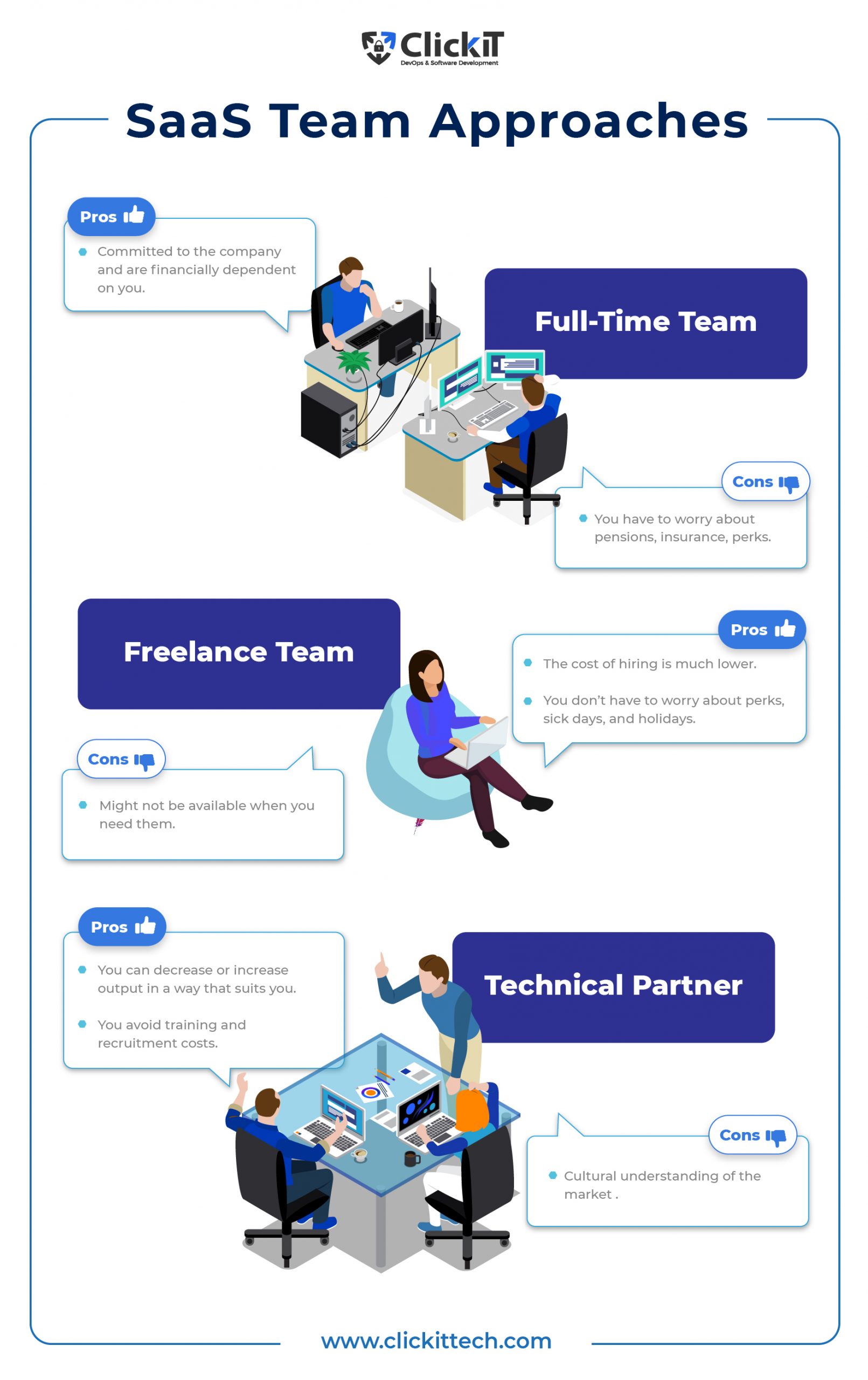
While SaaS presents numerous opportunities, it also comes with risks that entrepreneurs must be aware of:
- Pricing Challenges: Subscriptions can be risky for customers, as canceling may take time. Businesses must work to retain users despite potential technical issues.
- Increased Risks: Technical failures or security breaches can impact all users, leading to reputational damage and financial losses.
- Safety Concerns: Ensuring data security while allowing remote access is a critical challenge for SaaS providers.
- Trust Building: Establishing trust with customers, especially those relying on the platform for critical business processes, is essential.
Types of SaaS Companies
Understanding the different types of SaaS companies can help entrepreneurs choose the right model for their business:
1. Platform as a Service (PaaS)
PaaS provides a framework for developers to build, test, and deploy applications. Examples include Amazon Web Services and Google Cloud. PaaS is ideal for businesses that want to focus on application development without managing infrastructure.
2. SaaS Startups
These companies offer B2B platforms that automate specific business processes. Examples include Salesforce and Customer Labs. SaaS startups often target small and medium-sized businesses looking for efficient solutions.
3. SaaS CRM Startups
CRM SaaS solutions are designed to manage customer relationships. Examples include Pipedrive and Hubspot. These platforms are popular among small businesses due to their ease of use and scalability.
4. Micro-SaaS Startups
Micro-SaaS startups focus on niche markets, offering highly specialized solutions. Examples include Grammarly and Mailtrack. These startups are ideal for entrepreneurs looking to address specific pain points.
5. Artificial Intelligence-Based Services
AI-powered SaaS solutions are gaining traction, offering automation and predictive analytics. Examples include Microsoft Azure and IBM Watson. These services are particularly useful in industries requiring data-driven decision-making.
6. Blockchain as a Service
Blockchain as a service (BaaS) provides blockchain infrastructure to businesses. Examples include IBM and Amazon. BaaS is ideal for companies looking to leverage blockchain without building their own infrastructure.
Conclusion
The SaaS landscape is continuously evolving, presenting new opportunities and challenges for entrepreneurs. By understanding the key trends, leveraging innovative business ideas, and addressing potential risks, startups can position themselves for success in this dynamic market. Whether you’re developing a property management platform, a CRM tool, or a payment gateway, the future of SaaS is bright for those who embrace innovation and adaptability.