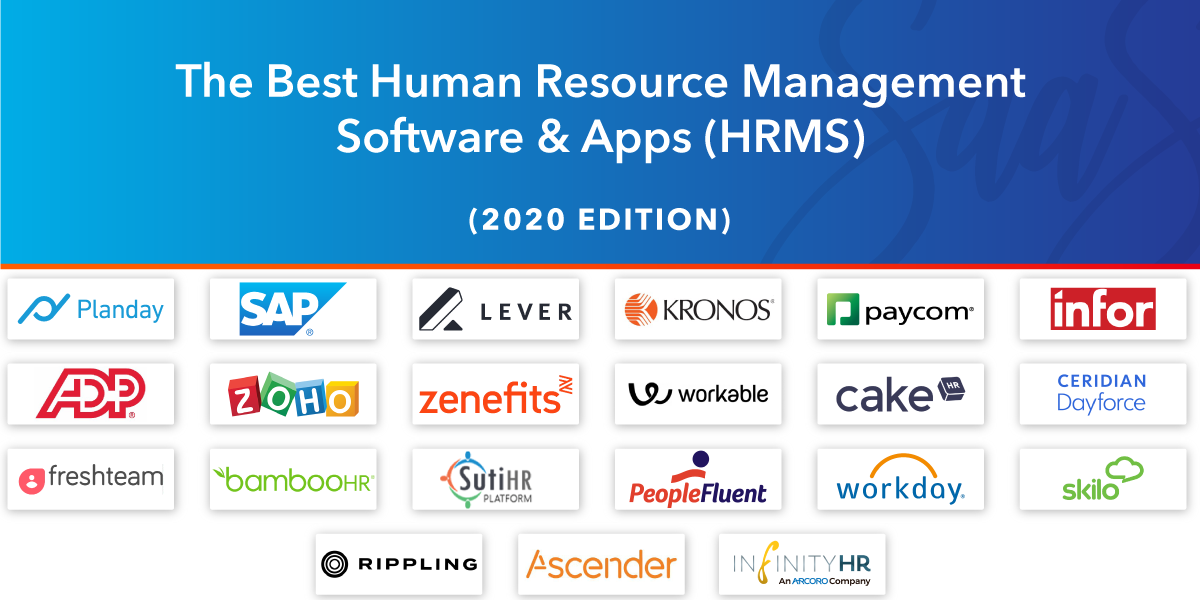
The Ultimate Guide to Choosing the Best HR Software for Your Business in 2025
In today’s fast-paced and ever-evolving business landscape, human resources (HR) software has become an essential tool for organizations of all sizes. From managing employee data to streamlining payroll and ensuring compliance, the right HR software can transform how your HR team operates. With so many options available, it’s crucial to understand what features matter most and how to choose a solution that aligns with your unique needs.
Understanding the Role of HR Software
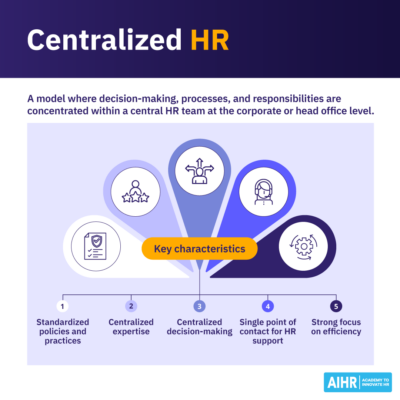
At its core, HR software is designed to centralize employee data, automate repetitive tasks, reduce manual errors, and give your HR team the breathing room they need to focus on strategic work like engagement, performance, and retention. If you’re tired of juggling spreadsheets, navigating clunky interfaces, or stitching together disconnected tools, you’re not alone—and you’re in the right place.
From recruitment and onboarding to time tracking, payroll, compliance, and performance management, the right HR software brings it all together in one streamlined platform. Whether your current solution isn’t scaling with your team or you’re still managing everything manually, this guide will help you find an HR system that fits.
Key Features to Look For

When evaluating HR software, consider the following key features:
- Employee Self-Service: Allows employees to manage their personal information, reducing administrative requests.
- Payroll Processing: Includes tools to manage payroll data, calculate taxes and deductions, run payroll, and complete direct deposits.
- Recruiting & Applicant Tracking: Features to screen candidates, schedule interviews, and submit job offers, including an integrated onboarding workflow.
- Analytics & Reporting: Tools to run advanced reports on HR data to uncover workforce trends and make better decisions.
- Compliance Monitoring: Features to minimize legal risks related to paying employees and monitoring work hours.
- Attendance & Time-Tracking: Tools to track the hours your employees work and manage leave requests.
- Talent Management Capabilities: Tools to develop and upskill your workforce, including performance evaluations and learning management systems.
- Employee Lifecycle Management: Features to recruit, hire, onboard, and offboard employees efficiently.
- Communication and Collaboration Tools: In-app chat streams, task assignments, and file sharing to enhance teamwork.
Top HR Software Solutions for 2025
After extensive research and testing, here are some of the top HR software solutions that have stood out in 2025:
1. UKG
UKG is a human resources and workforce management platform that combines human capital management, workforce management, and global payroll tools in one system. It’s designed for organizations of all sizes looking to manage HR tasks, improve compliance, and foster a positive workplace culture.
Standout Features:
– AI-powered analytics for workforce planning
– Compliance management tools that adapt to regional labor laws
– Mobile self-service options for employees
Pros:
– Strong compliance support for multi-region operations
– AI-powered insights for engagement and planning
– Wide range of HR, payroll, and workforce tools
Cons:
– No pricing mentioned
– Implementation may be complex for new teams
2. Jira Service Management
Jira Service Management is a service desk platform designed to help teams manage requests, incidents, and changes efficiently. It offers customizable workflows and automation that can help organizations streamline numerous internal HR processes.
Standout Features:
– Out-of-the-box templates to quickly set up your HR service desk
– AI-powered request intake forms
– Configurable workflows and reports without coding
Pros:
– Access to a virtual service agent
– Automation features reduce repetitive tasks
– Customizable workflows enhance HR processes
Cons:
– Limited advanced reporting capabilities
– Platform customization may take time
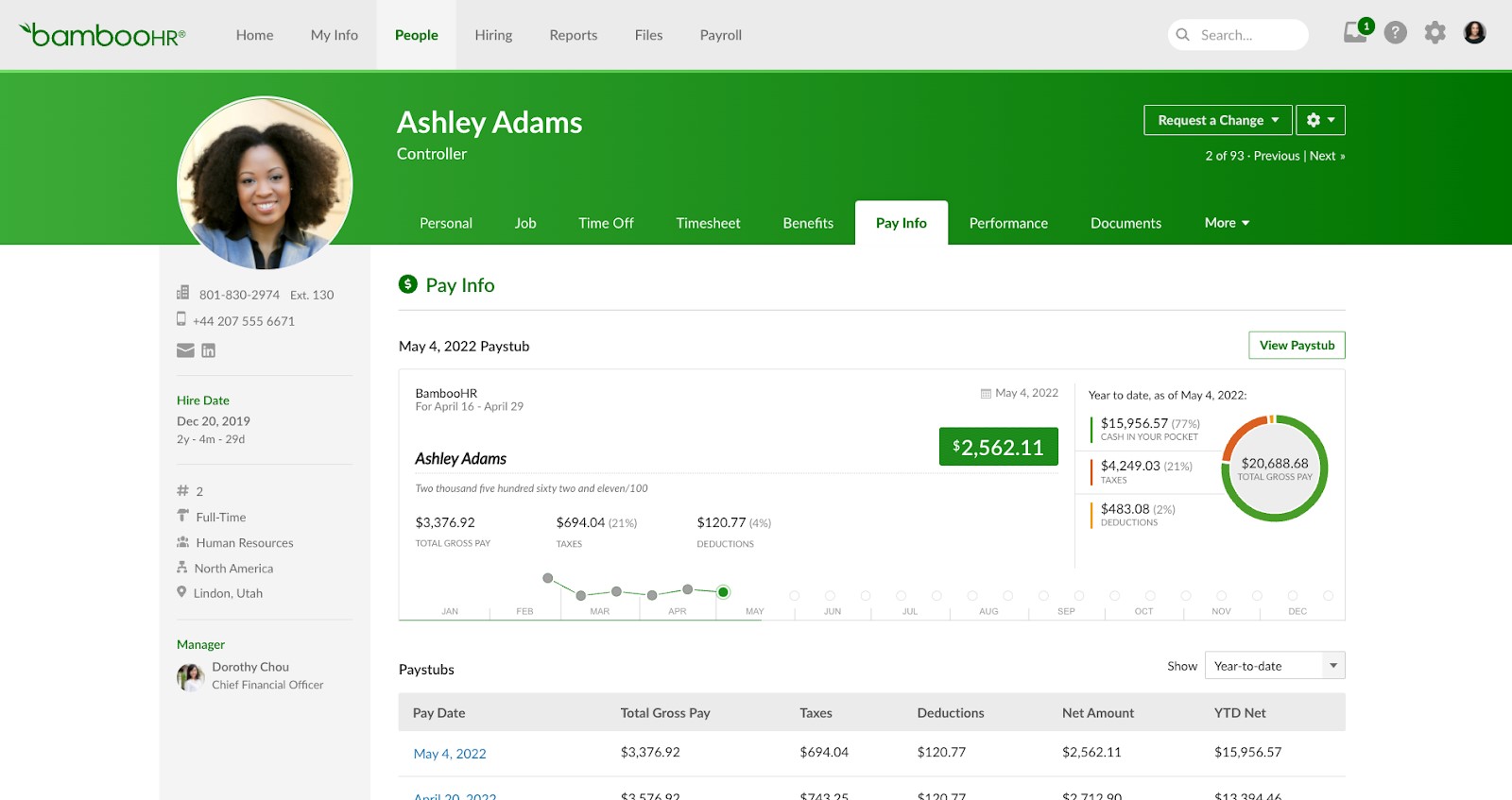
3. BambooHR
BambooHR is a comprehensive HR software designed to enhance HR processes for small to medium-sized businesses. It provides a centralized platform for managing various HR tasks, including tracking hours worked, benefits administration, payroll management, and employee data management.
Standout Features:
– Advanced reporting and analytics capabilities
– Employee self-service feature allowing employees to manage their personal information
– Integrated applicant tracking system (ATS)
Pros:
– Mobile app available
– Easy-to-use interface
– Offers a wide range of HR functionalities
Cons:
– Benefits administration only available to US-based employees
– Could offer better customization options
4. Paycor
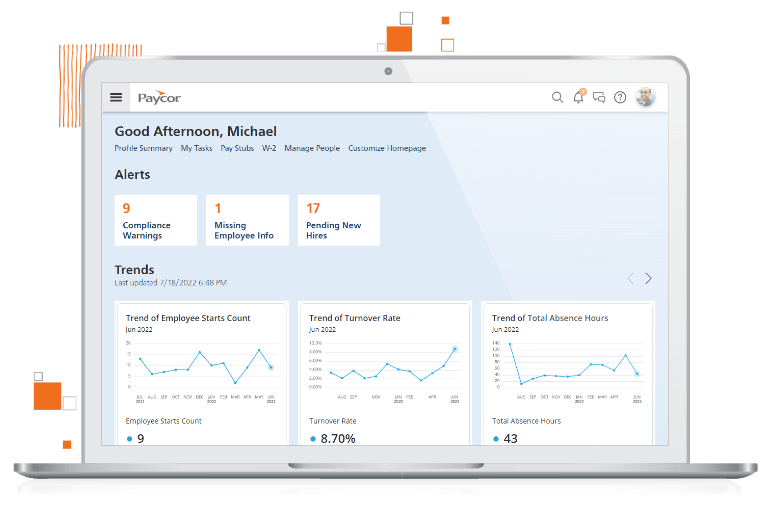
Paycor is a human capital management (HCM) software designed for HR leaders, finance leaders, and payroll managers. Paycor makes payroll easy to set up and run, leveraging their own tax and compliance expertise to ease your company’s risk management pain points.
Standout Features:
– Modules for core HR data, payroll, talent management, workforce management, employee experience, and benefits management
– On-demand pay, off-cycle pay runs, and worker opportunity tax credit tools
Pros:
– Good ability to customize reports
– Unlimited payroll runs
– Easy to use self-service portal
Cons:
– Time tracking only available as an add-on
– UX can feel a bit clunky at times
5. Performance Pro
Performance Pro is an HR software platform focused on enhancing employee performance through structured feedback, goal setting, and development planning. It helps HR teams manage check-ins, coaching, and evaluations while aligning individual goals with organizational objectives.
Standout Features:
– Succession analytics for leadership readiness
– Automated SMART goal guidance
– Goal org chart to visualize alignment across the organization
Pros:
– Real-time engagement metrics
– Merit increase functionality for fair pay decisions
– Integrated Microsoft Teams app add-on
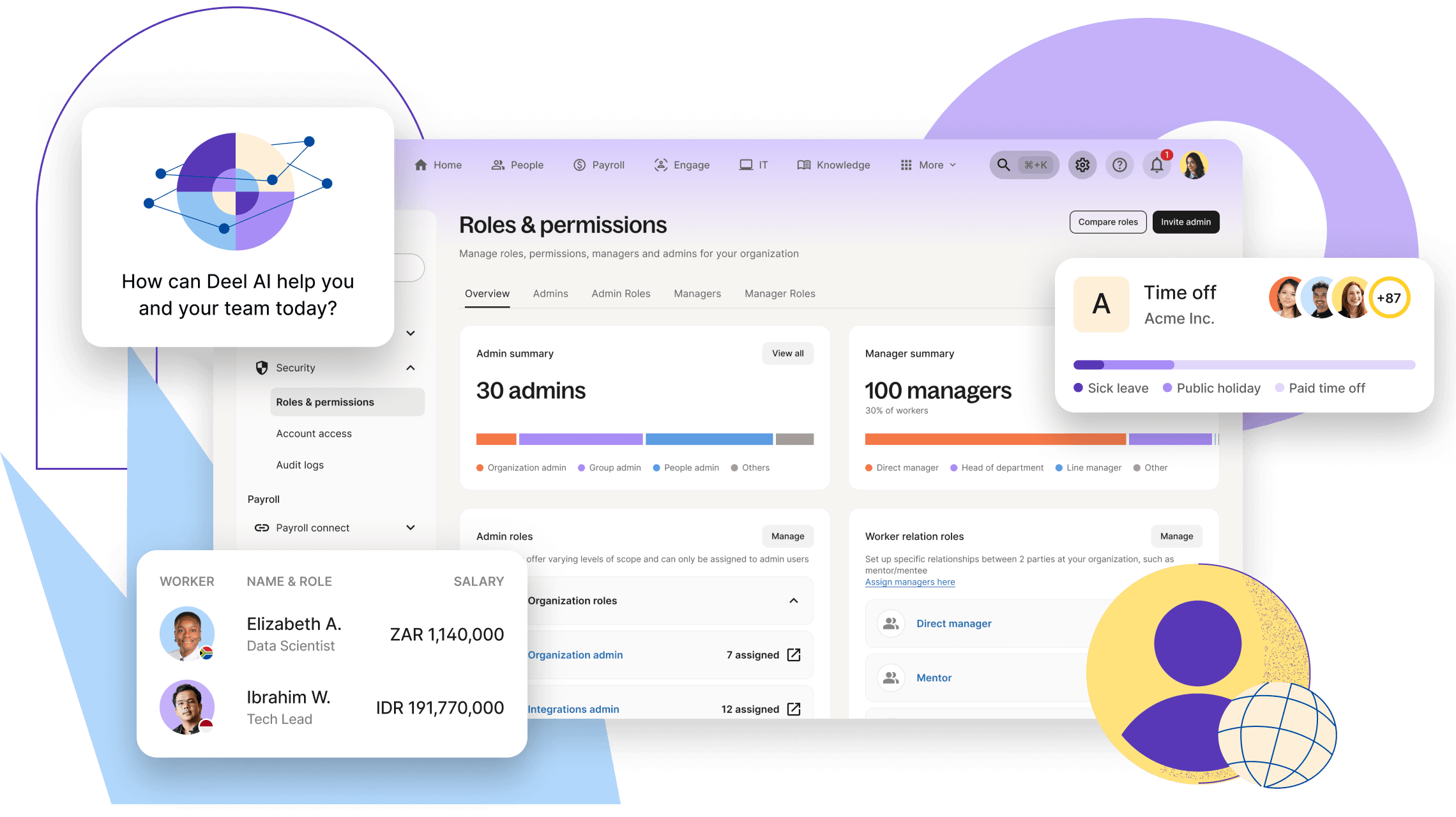
6. Deel
Deel is a comprehensive HR platform that supports global teams of all sizes, from startups to enterprise organizations. Their HR tools allow you to hire employers or contractors in over 150 countries without needing to worry about local laws, complicated tax systems, or global payroll specifics.
Standout Features:
– Deel Shield to avoid contractor misclassification issues
– Global mobility support and immigration assistance
– In-house payroll experts for faster service
Pros:
– Advanced employer of record (EOR) services
– Covers up to $25,000 if a misclassification/legal case arises
– You can pay employees in 150+ currencies, including crypto
Cons:
– Likely too complex for small businesses
– No free trial available
How to Choose the Right HR Software
Selecting the right HR software requires a deep understanding of how each functionality meets a specific use case, solves a common pain point, or improves operational efficiency. Here are some key considerations:
1. Identify Your Needs
Start by identifying your current challenges. These may include paying employees in different jurisdictions, managing tax and compliance requirements, eliminating manual tasks, integrating existing systems, or empowering employees to self-manage their data.
2. Define Your Goals
Be clear on your desired outcomes. Key outcomes you may want to measure include reduced administrative demands on your HR staff, increased employee satisfaction, reduced time to hire, improved completion rates for internal compliance training, etc.
3. Consider Your User Groups
Identify your main user groups—senior HR staff, HR administrative staff, payroll processing specialists, CFOs, internal managers, and all active employees. Ensure the software meets the unique needs of each group.
4. Evaluate Your Budget
Determine a realistic budget for your new HR software. Most HR software charges a monthly fee per employee, so estimate your monthly costs based on your current and projected headcount.
5. Check for Integrations
Clarify whether your new HR software will replace existing tools or need to integrate with them. Key integrations to watch for include accounting, time-tracking, and payroll software systems, plus any internal communication tools you already use.
6. Assess Technical Requirements
Consider the software selection alongside your existing workflows and systems. Evaluate what’s working well and any problem areas that need to be addressed. Does the new system integrate with your corporate workspace? Does it offer security features that meet your needs?
Trends in HR Software for 2025
HR software companies continue to evolve their products to meet the demands of modern workplace dynamics, changing organizational needs, and technological advancements, such as artificial intelligence (AI) and machine learning (ML). Here are the most important trends impacting the HR software space currently:
1. Increased Integration of AI and ML
AI and ML are being increasingly integrated into HR software for predictive analytics, automation of routine tasks, AI-powered recruiting tools, and personalized learning and development plans. By capitalizing on this technological advancement, HR teams can create more efficient processes and gain deeper insights into their workforce.
2. Focus on Remote Work Management
With the rise of remote work, HR software is rapidly evolving to include features that support remote team management, such as virtual onboarding, remote performance tracking, and engagement tools. This trend underscores the ongoing shift in work patterns and the need for tools that support a dispersed workforce.
3. Comprehensive Employee Management
Features that offer a 360-degree view of employee management, including recruitment, onboarding, performance management, and offboarding, are in high demand. This trend reflects a growing preference for all-in-one systems that offer a holistic approach to managing the employee lifecycle.
Conclusion
Choosing the right HR software can significantly improve your HR department’s efficiency by automating key tasks, ensuring compliance, and enhancing your employee experience. When selecting a new system, or upgrading existing HR software, talk to your different user groups first to make sure you understand all the challenges your team is facing. Then, focus on software that satisfies all your needs and desired outcomes to avoid wasting time and resources.
Whether you’re looking to streamline payroll, recruitment, or performance management, there’s a variety of HR software solutions available to fit businesses of every size. Ultimately, the right HR software must align with your goals, budget, and technical requirements in order to drive better organizational performance.