The Rise of SaaS in Healthcare: Transforming Patient Care and Operational Efficiency
The healthcare industry is undergoing a digital transformation, driven by the need for cost-effective, scalable, and secure solutions. One of the most significant technological advancements reshaping this sector is the adoption of Software as a Service (SaaS) models. As healthcare organizations seek to improve patient experiences and streamline operations, SaaS has emerged as a powerful tool that offers numerous benefits, from reduced costs to enhanced data security.
What is SaaS in Healthcare?
SaaS refers to a software delivery model where applications are hosted on the cloud and accessed via the internet. Unlike traditional software, which requires installation on local servers, SaaS allows users to access tools and services through a web browser. This model has gained popularity in healthcare due to its flexibility, cost-effectiveness, and ability to support real-time collaboration across different stakeholders.
In the context of healthcare, SaaS solutions include electronic health records (EHRs), telehealth platforms, billing systems, and remote patient monitoring tools. These applications enable healthcare providers to manage patient data more efficiently, reduce administrative burdens, and improve communication between medical professionals.
Key Benefits of SaaS for Healthcare Organizations

1. Cost-Effectiveness
One of the primary advantages of SaaS is its cost-efficiency. Traditional software often requires significant upfront investments in hardware, licensing, and maintenance. With SaaS, healthcare organizations can avoid these costs by paying only for the services they use. This pay-as-you-go model reduces financial strain and allows institutions to allocate resources more effectively.
2. Scalability
Healthcare businesses often experience fluctuating demands, especially with the rise of telemedicine and remote care. SaaS solutions offer seamless scalability, allowing organizations to easily adjust their usage based on patient volume or operational needs. Whether expanding to new locations or adding more users, SaaS platforms can adapt quickly without requiring extensive infrastructure changes.
3. Enhanced Data Security
Data security is a critical concern in healthcare, given the sensitivity of patient information. SaaS providers invest heavily in robust security measures, including encryption, multi-factor authentication, and regular security audits. Additionally, compliance with regulations such as HIPAA ensures that patient data remains protected and private.
4. Accessibility and Collaboration

SaaS enables real-time access to patient data from any location, making it easier for healthcare professionals to collaborate and provide timely care. Doctors, nurses, and specialists can access up-to-date medical records, share insights, and coordinate treatment plans regardless of their physical location.
5. Automatic Updates and Maintenance
SaaS providers handle all software updates, bug fixes, and system maintenance, ensuring that healthcare organizations always have access to the latest features and improvements. This eliminates the need for in-house IT teams to manage complex software installations and reduces downtime.
Top Trends Shaping the Future of SaaS in Healthcare
1. Integration of Artificial Intelligence (AI)
AI is revolutionizing healthcare by enabling predictive analytics, personalized treatment plans, and automated diagnostics. SaaS platforms are increasingly incorporating AI-driven tools to enhance decision-making and improve patient outcomes. For example, machine learning algorithms can analyze large datasets to identify patterns and predict potential health risks.
2. Multi-Cloud Strategies
As healthcare organizations rely more on cloud-based solutions, many are adopting multi-cloud strategies to ensure redundancy and disaster recovery. By using multiple cloud providers, healthcare businesses can mitigate risks associated with data loss and service outages.
3. Edge Computing
Edge computing brings data processing closer to the source, reducing latency and improving response times. In healthcare, this technology is being used to support real-time monitoring of patients and faster data analysis, particularly in emergency situations.
4. Micro-SaaS Solutions
Micro-SaaS refers to small-scale SaaS products designed to address specific needs within the healthcare industry. These solutions are often developed by startups and offer targeted features that can be integrated into existing systems. Their affordability and flexibility make them an attractive option for smaller clinics and practices.
Challenges and Considerations

While SaaS offers numerous benefits, healthcare organizations must also navigate challenges such as data privacy concerns, regulatory compliance, and vendor lock-in. Ensuring that SaaS providers adhere to strict security standards and maintain transparency in their operations is essential for long-term success.
Additionally, choosing the right SaaS development partner is crucial. Organizations should look for companies with expertise in healthcare software, a proven track record, and a commitment to compliance and innovation.
Conclusion
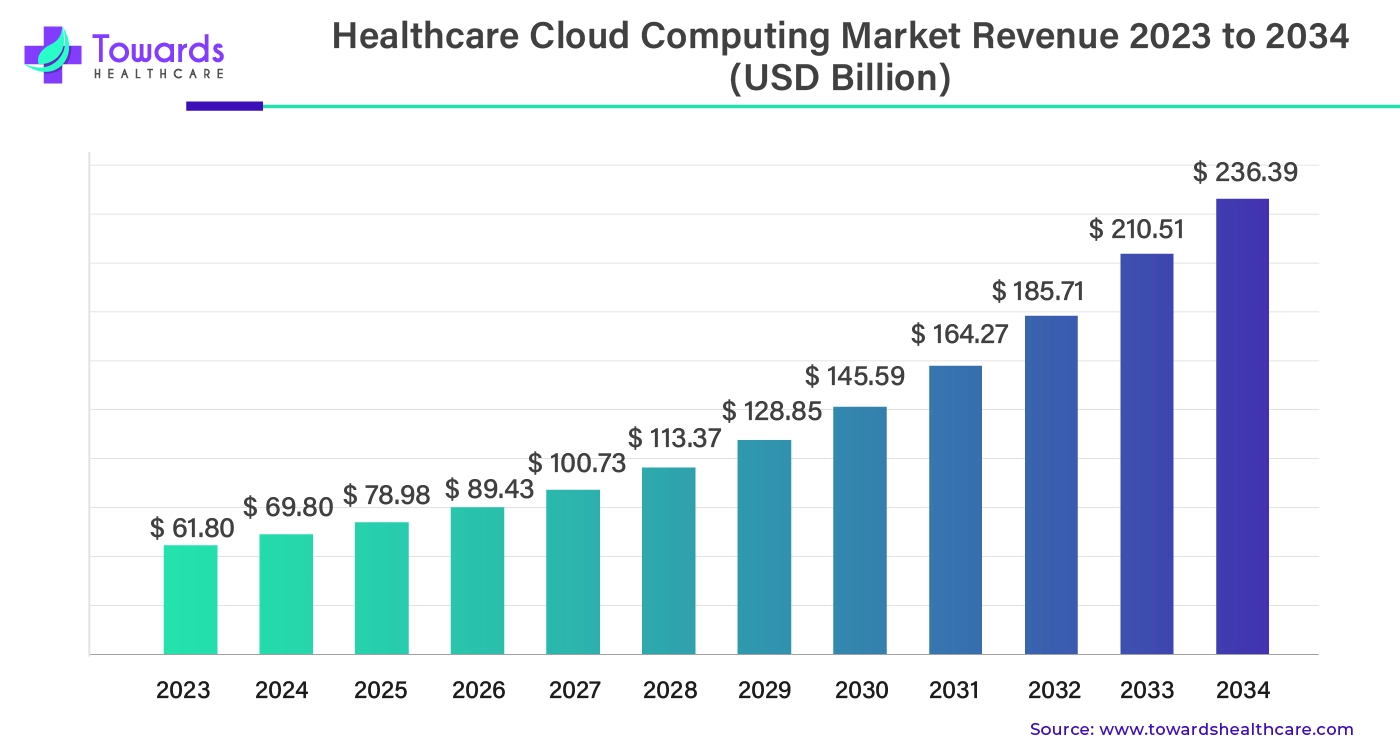
The adoption of SaaS in healthcare is not just a trend—it’s a transformative shift that is redefining how medical services are delivered. By leveraging cloud-based solutions, healthcare providers can enhance efficiency, improve patient care, and stay competitive in an increasingly digital world. As the market continues to grow, the integration of advanced technologies like AI and edge computing will further expand the possibilities of SaaS in healthcare, paving the way for a more connected and efficient future.