Understanding Azure API Management: A Comprehensive Guide for U.S. Businesses
In the rapidly evolving digital landscape, Application Programming Interfaces (APIs) have become the backbone of modern software development and business operations. For U.S. businesses looking to stay competitive, leveraging tools like Azure API Management is essential. This article explores what Azure API Management is, its key components, and how it can help organizations manage APIs effectively in a hybrid, multicloud environment.
What is Azure API Management?
Azure API Management is a hybrid, multicloud management platform designed to support the complete API lifecycle. As a Platform-as-a-Service (PaaS) solution, it enables organizations to securely expose services hosted on and outside of Azure as APIs while providing a comprehensive set of tools for managing, securing, and scaling these APIs. Whether you’re dealing with legacy systems or modern cloud-native applications, Azure API Management offers a unified approach to API governance.
Key Scenarios Supported by Azure API Management
The platform supports several critical use cases that align with today’s digital transformation goals:
-
Unlocking Legacy Assets: APIs act as a bridge between outdated backend systems and modern cloud environments. By abstracting and modernizing these systems, businesses can innovate without the risk and cost associated with full-scale migrations.
-
API-Centric App Integration: APIs simplify the integration of applications by offering standards-based, self-describing mechanisms for data exchange. This reduces costs and complexity in app integration efforts.
-
Multi-Channel User Experiences: From web and mobile applications to wearable devices and the Internet of Things (IoT), APIs enable seamless user experiences across multiple platforms.
-
B2B Integration: APIs facilitate secure and scalable integration between businesses, reducing the overhead of point-to-point integrations and enabling self-service discovery and onboarding.
Core Components of Azure API Management
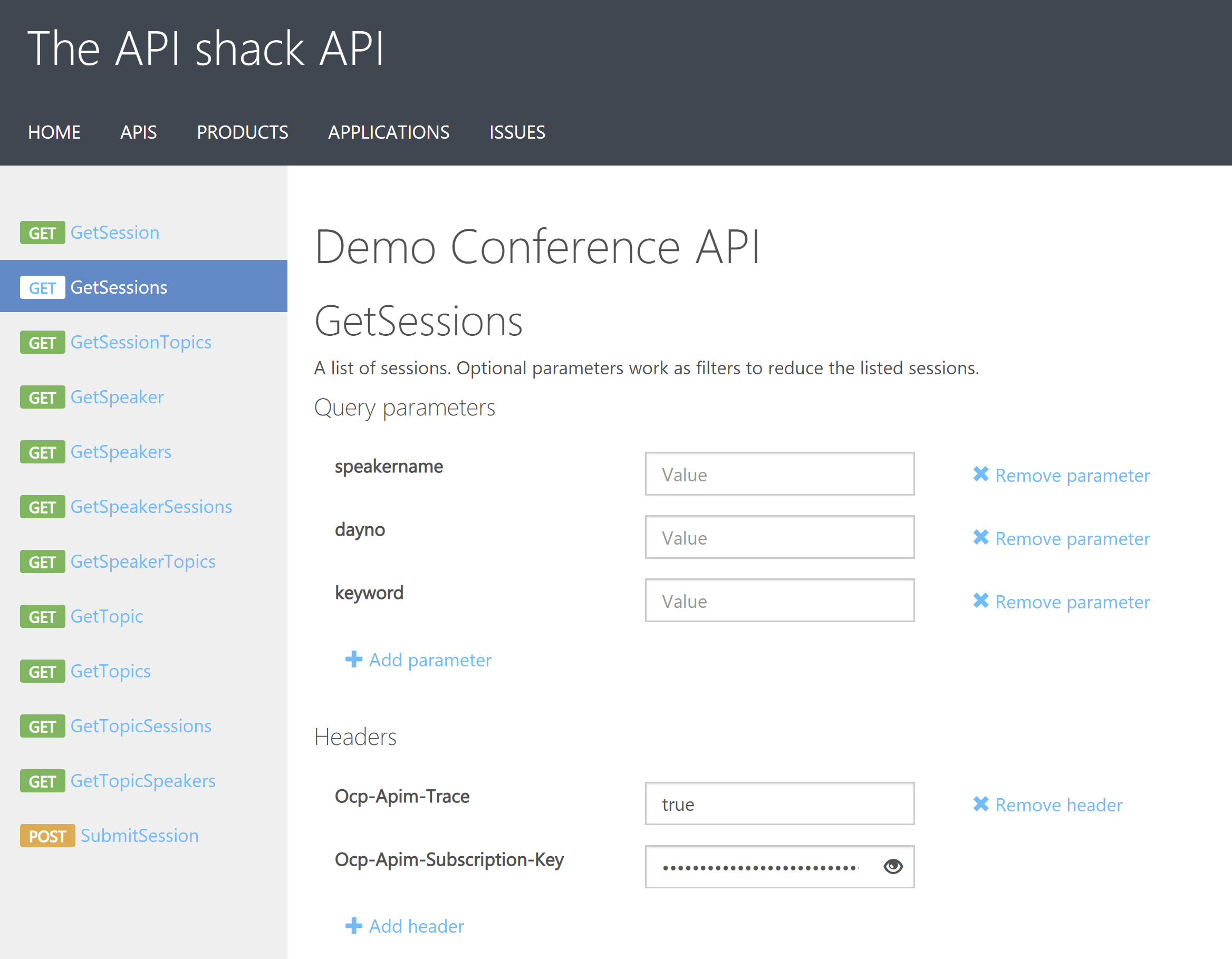
Azure API Management consists of three main components, each playing a vital role in the API lifecycle:
1. API Gateway
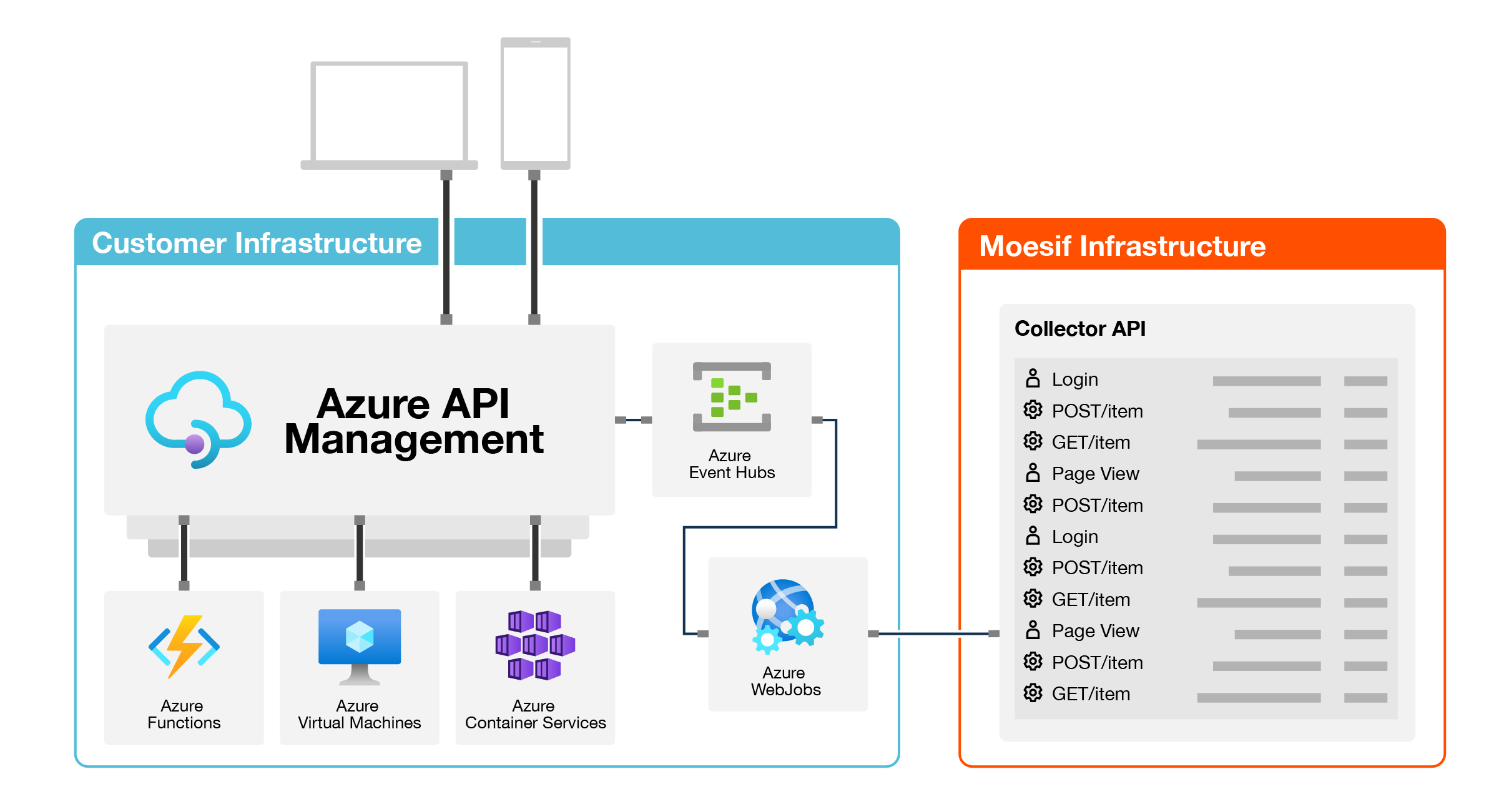
The API gateway acts as the entry point for all client requests. It handles routing, security, throttling, caching, and observability, ensuring that backend services remain abstracted from consumers. The gateway also allows for the deployment of self-hosted gateways, which are ideal for organizations with hybrid IT infrastructures.
- Self-Hosted Gateway: Deployed as a Linux-based Docker container, this option enables organizations to manage APIs hosted on-premises and across clouds from a single Azure service.
2. Management Plane
The management plane provides the interface through which API providers configure and manage their services. It includes tools such as the Azure portal, PowerShell, CLI, and REST APIs, allowing for full control over API settings, policies, and analytics.
3. Developer Portal
The developer portal serves as a centralized hub for API documentation, discovery, and onboarding. It is fully customizable and open-source, enabling developers to explore APIs, test them via an interactive console, and access analytics.
API Management Tiers

Azure API Management is available in multiple tiers, each tailored to different organizational needs:
-
Classic Tiers: Includes Developer, Basic, Standard, and Premium tiers. The Premium tier is ideal for enterprises requiring advanced features such as private backends, multi-region deployments, and high scalability.
-
V2 Tiers: Offers faster provisioning and scaling, including Basic v2 for development and testing, and Standard v2 and Premium v2 for production workloads. These tiers support virtual network integration for secure connectivity.
-
Consumption Tier: A serverless option that scales based on demand and bills per execution, suitable for microservices-based architectures and variable traffic patterns.
Integration with Azure Services

Azure API Management seamlessly integrates with a wide range of Azure services, enhancing its capabilities for enterprise solutions. These include:
- Azure Active Directory for secure authentication and access control.
- Azure Monitor for real-time analytics and performance tracking.
- Azure Functions for event-driven API processing.
This integration ensures that organizations can build robust, scalable, and secure API ecosystems.
Best Practices for Effective API Management
To maximize the benefits of Azure API Management, consider the following best practices:
- Adopt an API-First Approach: Design APIs as the core of your SaaS product to ensure flexibility and extensibility.
- Maintain Simplicity and Clarity: Keep API design intuitive and well-documented to reduce the learning curve for developers.
- Ensure Consistency: Follow consistent naming conventions, endpoint structures, and error handling to streamline integration efforts.
- Implement Strong Security Measures: Use OAuth for authentication and SSL/TLS for encryption to protect sensitive data.
- Use Versioning: Implement versioning to avoid breaking changes and provide a clear roadmap for deprecation.
- Monitor Performance: Utilize analytics and monitoring tools to track API usage and identify potential bottlenecks.
Conclusion
For U.S. businesses aiming to thrive in the digital age, Azure API Management offers a powerful solution for managing APIs across hybrid and multicloud environments. By leveraging its key components—such as the API gateway, management plane, and developer portal—organizations can unlock new opportunities for innovation, scalability, and customer engagement. Whether you’re modernizing legacy systems, integrating with third-party services, or building a robust API ecosystem, Azure API Management provides the tools and flexibility needed to succeed in today’s fast-paced technological landscape.