Big Data Best Practices: Building a Successful Foundation in the United States
In today’s data-driven world, big data has become a cornerstone for businesses seeking to gain a competitive edge. From enhancing customer experiences to optimizing operations, the strategic use of big data can transform how organizations function. However, leveraging big data effectively requires more than just access to vast amounts of information—it demands a well-thought-out approach that aligns with business goals and incorporates best practices. This article explores key strategies for building a successful big data foundation, emphasizing the importance of governance, skill development, and integration with cloud technologies.
Aligning Big Data with Business Goals
One of the most critical steps in any big data initiative is ensuring it directly supports specific business objectives. Organizations must ask themselves how big data can enable their top priorities, whether it’s improving customer satisfaction, reducing costs, or driving innovation. For example, analyzing web logs to understand e-commerce behavior or deriving sentiment from social media interactions can provide actionable insights that inform marketing strategies and product development.
By grounding investments in clear business outcomes, companies can secure ongoing funding and support for their big data projects. This alignment not only ensures that resources are used efficiently but also helps in measuring the return on investment (ROI) of big data initiatives.
Addressing Skill Shortages Through Standards and Governance

A common challenge in big data implementation is the shortage of skilled professionals who can analyze and interpret complex datasets. To mitigate this, organizations should integrate big data considerations into their IT governance programs. Standardizing processes and tools allows for better resource management and cost control. Proactive measures such as training existing staff, hiring new talent, and leveraging external consultants can help bridge skill gaps.
Additionally, fostering a culture of continuous learning within the organization ensures that teams stay updated with the latest trends and technologies in big data analytics. This not only enhances the capabilities of the workforce but also promotes collaboration across departments.
Optimizing Knowledge Transfer with a Center of Excellence

Establishing a center of excellence (CoE) can significantly enhance knowledge sharing and project oversight. A CoE serves as a centralized hub where best practices, tools, and methodologies are shared across the enterprise. This approach not only streamlines big data initiatives but also promotes a more structured and systematic way of managing data assets.
By creating a CoE, organizations can ensure that all stakeholders—whether they are data scientists, analysts, or business leaders—are aligned in their understanding and application of big data. This collaborative environment fosters innovation and drives the adoption of advanced analytics techniques.
Integrating Unstructured and Structured Data
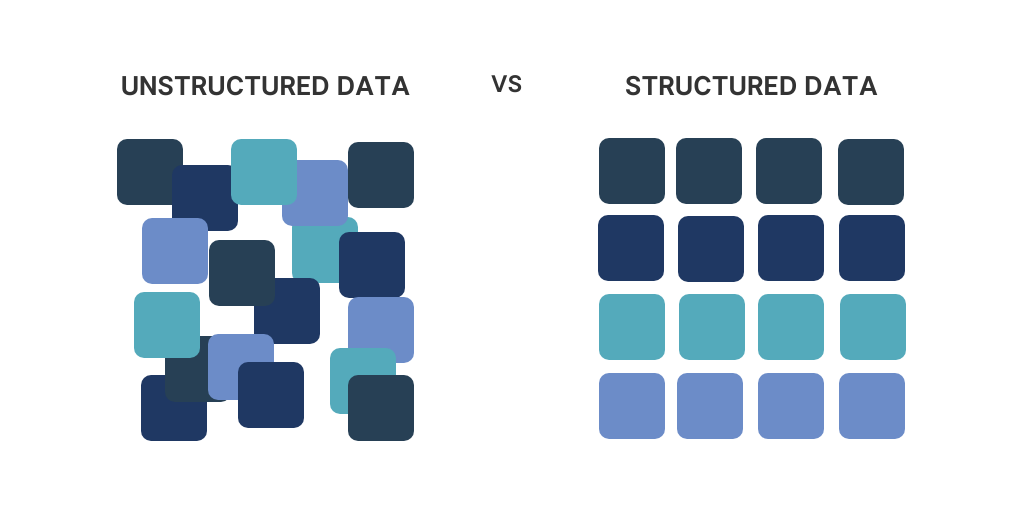
While unstructured data, such as text, images, and videos, holds valuable insights, its true potential is unlocked when combined with structured data. Integrating these two types of data allows organizations to draw more comprehensive conclusions and make informed decisions. For instance, analyzing customer sentiment from social media alongside transactional data can reveal patterns that lead to improved customer service and product offerings.
This integration also enhances the accuracy of predictive models and statistical analyses, providing a more holistic view of business operations. By leveraging both data types, organizations can uncover hidden opportunities and address challenges more effectively.
Planning for Performance in Discovery Labs

The process of discovering meaningful insights from big data often involves experimentation and exploration. To support this, organizations need high-performance work areas, such as sandboxes, where analysts and data scientists can test hypotheses and refine algorithms. These environments should be properly governed to ensure data security and compliance while allowing for flexibility and innovation.
Investing in robust infrastructure and tools that support iterative experimentation is crucial for success. By creating a supportive environment for discovery, organizations can accelerate the pace of innovation and improve the quality of their analytics outputs.
Aligning with the Cloud Operating Model
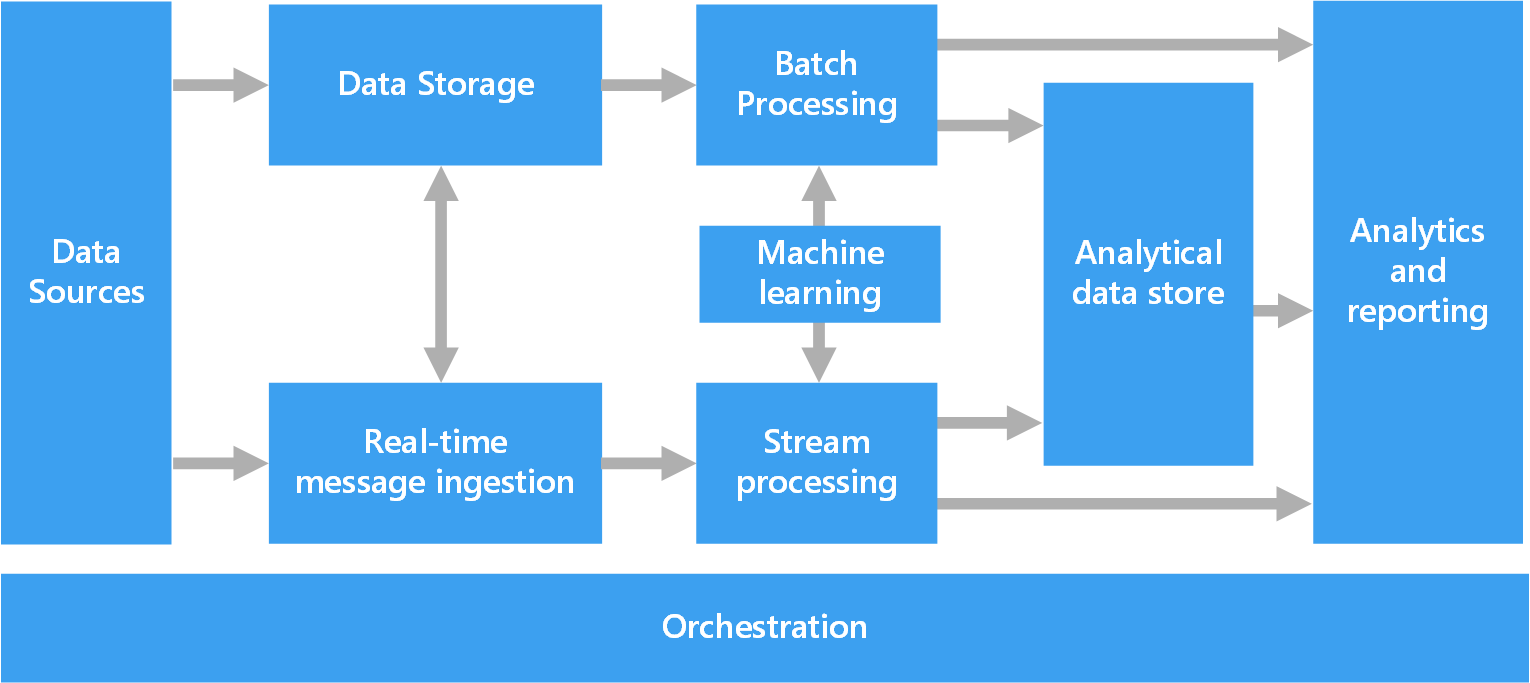
As big data continues to grow in volume and complexity, the cloud offers a scalable and cost-effective solution for storage and processing. Cloud-based big data solutions allow organizations to access resources on demand, enabling them to scale up or down based on their needs. This flexibility is particularly beneficial for businesses that experience fluctuating data volumes or require rapid deployment of analytics applications.
Implementing a well-planned cloud strategy involves careful consideration of security, compliance, and resource management. Organizations should evaluate their cloud providers and choose solutions that align with their specific requirements, ensuring that they can leverage the full potential of cloud computing for their big data initiatives.
The Human Side of Big Data Management

While technology plays a vital role in big data management, the human element cannot be overlooked. Skilled professionals are essential for interpreting data, developing models, and making informed decisions. Moreover, user-friendly tools and platforms can empower non-technical users to engage with big data, democratizing access to insights across the organization.
Fostering a data-driven culture where employees at all levels understand the value of big data can lead to more innovative and effective decision-making. Encouraging collaboration between technical and non-technical teams ensures that insights are translated into actionable strategies that drive business growth.
Conclusion
Building a successful big data foundation requires a strategic approach that encompasses alignment with business goals, addressing skill shortages, optimizing knowledge transfer, and integrating diverse data sources. By adopting best practices and leveraging cloud technologies, organizations can unlock the full potential of big data to drive innovation, improve efficiency, and achieve sustainable growth. As the landscape of big data continues to evolve, staying agile and adaptable will be key to maintaining a competitive edge in the United States and beyond.