Understanding Data Analytics: A Comprehensive Guide for Businesses and Professionals
In today’s data-driven world, the ability to transform raw data into actionable insights has become a cornerstone of success for businesses and professionals alike. Data analytics is the process of collecting, organizing, and analyzing data from various sources to uncover patterns, trends, and correlations that can inform decision-making. As organizations increasingly rely on data to guide their strategies, understanding the fundamentals of data analytics becomes essential. This article explores the importance of data analytics, its key types, the analytical process, and the tools used to harness its power.
What Is Data Analytics?

Data analytics refers to the systematic examination of large sets of data to extract meaningful information. It involves using statistical techniques, algorithms, and software tools to identify patterns, trends, and relationships within data. The goal is to turn this information into insights that can drive informed decisions. For example, a retail company might use data analytics to determine which products are selling well during specific seasons, allowing them to adjust inventory and marketing strategies accordingly.
Why Is Data Analytics Important?

The importance of data analytics lies in its ability to provide a competitive edge. By leveraging data, businesses can make more accurate decisions, reduce costs, and improve efficiency. Here are some key reasons why data analytics is crucial:
- Improved Decision-Making: Data analytics enables organizations to base their decisions on factual evidence rather than intuition or guesswork.
- Enhanced Customer Satisfaction: Understanding customer behavior through data allows businesses to tailor their services and products to meet consumer needs more effectively.
- Operational Efficiency: Analyzing data can reveal inefficiencies in processes, leading to cost savings and improved productivity.
- Risk Management: Predictive analytics helps organizations anticipate potential issues and mitigate risks before they escalate.
The Four Types of Data Analytics
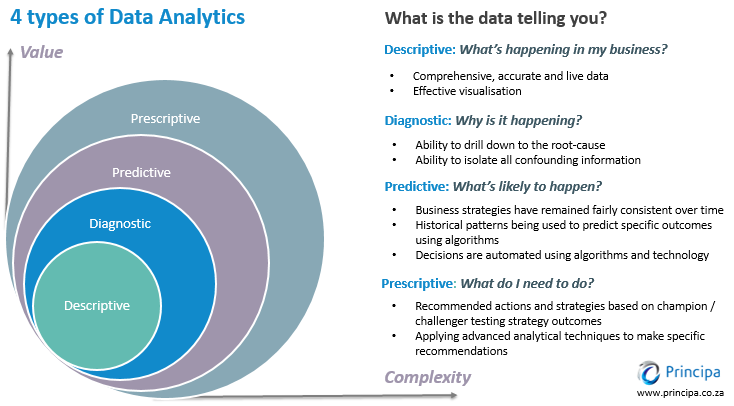
Data analytics can be categorized into four main types, each serving a distinct purpose:
-
Descriptive Analytics: This type focuses on summarizing historical data to understand what has happened. For instance, a company might use descriptive analytics to analyze sales data from the previous quarter to identify trends in product performance.
-
Diagnostic Analytics: Diagnostic analytics delves deeper into the data to determine why something happened. It involves exploring the root causes of trends or anomalies. For example, if a business experiences a drop in sales, diagnostic analytics could help identify whether it was due to a change in consumer preferences or a competitor’s marketing strategy.
-
Predictive Analytics: Predictive analytics uses historical data to forecast future outcomes. This is particularly useful in areas such as market forecasting, where businesses can predict customer demand based on past behavior and current trends.
-
Prescriptive Analytics: Prescriptive analytics goes a step further by suggesting actions to achieve desired outcomes. It often involves complex algorithms and machine learning to recommend the best course of action. For example, a bank might use prescriptive analytics to decide whether to approve a loan based on a customer’s credit history and other factors.
The Data Analytics Process
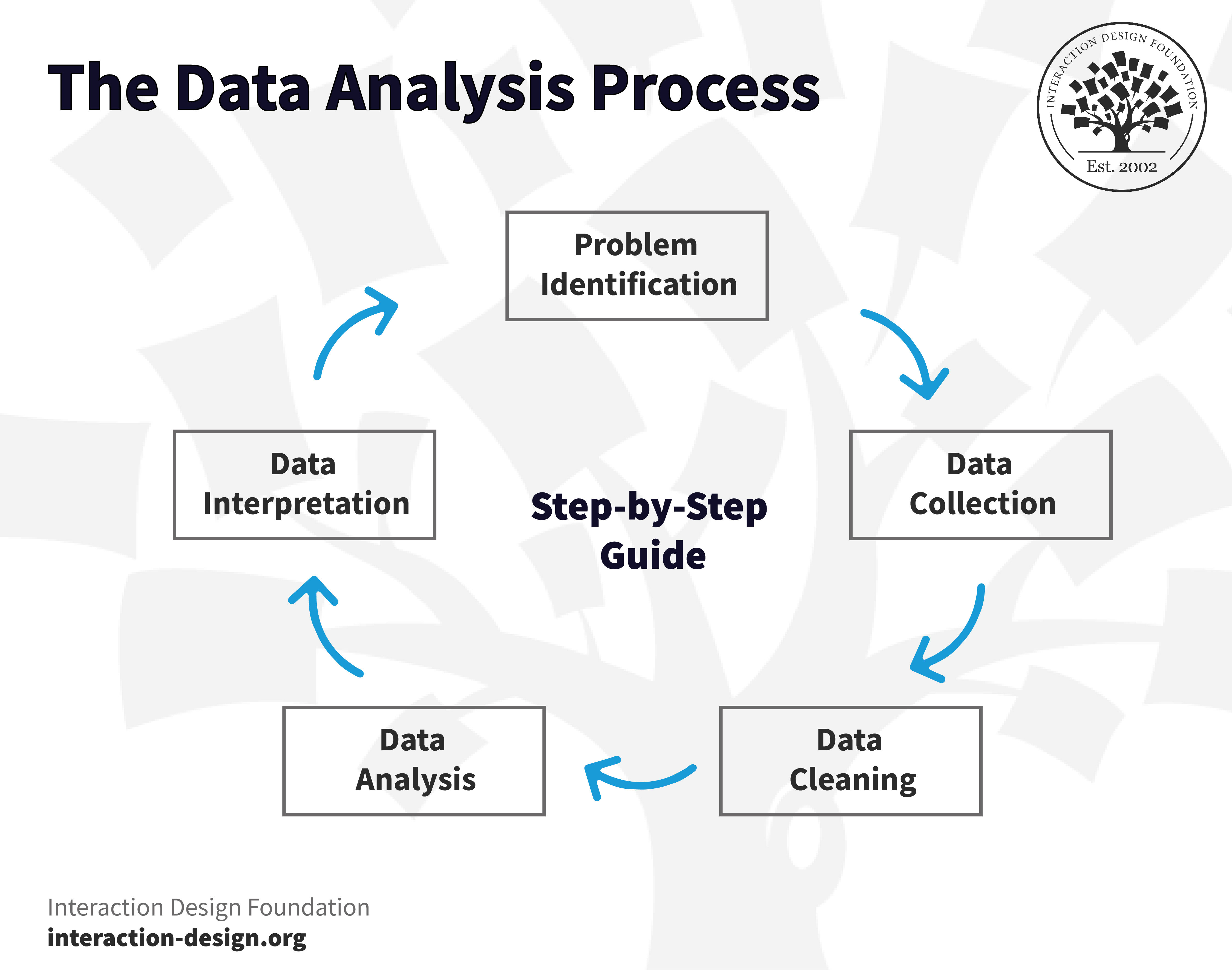
The data analytics process typically involves five key steps:
-
Define the Research Question: Start by identifying the problem or question you want to answer. This could be anything from “What are our customers’ preferences?” to “How can we improve our production efficiency?”
-
Collect Relevant Data: Gather data from various sources, such as internal databases, customer feedback, social media, and external market research. Ensure the data is relevant and comprehensive.
-
Prepare the Data: Clean and preprocess the data to remove errors, inconsistencies, and duplicates. This step ensures that the data is accurate and ready for analysis.
-
Analyze the Data: Apply appropriate analytical techniques to the data. This could involve using statistical methods, machine learning models, or data visualization tools to uncover insights.
-
Present the Findings: Communicate the results of the analysis to stakeholders. Effective storytelling and visualizations can help convey complex findings in an understandable way.
Data Analytics Tools
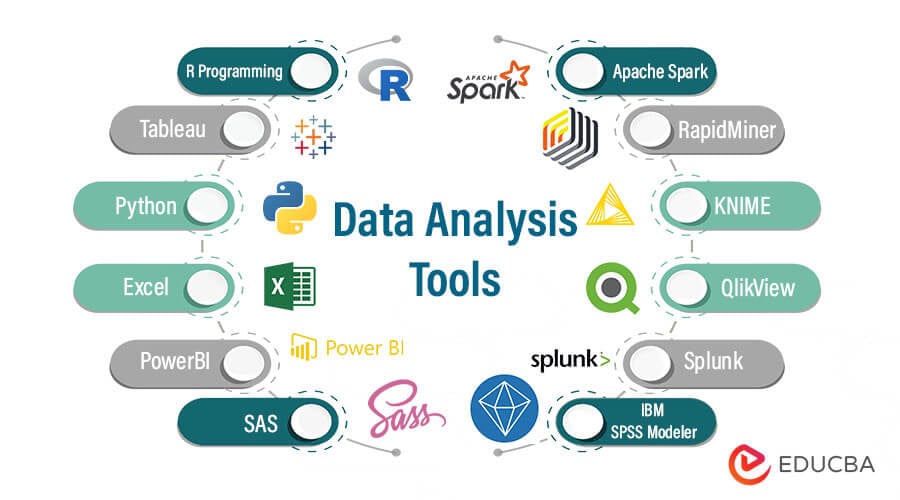
A variety of tools are available to assist with data analytics, ranging from simple spreadsheet programs to advanced programming languages and visualization platforms. Some of the most commonly used tools include:
- Microsoft Excel and Google Sheets: These are ideal for basic data analysis tasks, such as sorting, filtering, and creating charts.
- Tableau and Power BI: These visualization tools allow users to create interactive dashboards and reports, making it easier to communicate insights.
- Python and R: These programming languages offer powerful libraries for statistical analysis and machine learning, making them popular choices among data scientists.
The Role of Data Analytics in Different Industries

Data analytics is not limited to the business world; it plays a critical role in various industries, including healthcare, education, and agriculture. In healthcare, for example, data analytics can help identify patterns in patient data to improve treatment outcomes. In education, it can be used to assess student performance and tailor learning experiences. In agriculture, data analytics can optimize crop yields by analyzing weather patterns and soil conditions.
Conclusion
Data analytics is a powerful tool that enables organizations to make informed decisions, improve efficiency, and gain a competitive advantage. By understanding the different types of data analytics, the analytical process, and the tools available, businesses can harness the full potential of their data. As the volume of data continues to grow, the importance of data analytics will only increase, making it an essential skill for professionals across various industries.