A Comprehensive Guide to Commodities Trading: Strategies, Risks, and Opportunities
Commodities trading is a vital component of the global economy, offering both opportunities and challenges for investors and businesses. From agricultural products to energy resources and precious metals, commodities form the backbone of many industries. Understanding the intricacies of this market can help traders make informed decisions and navigate its complexities effectively.
What is Commodities Trading?
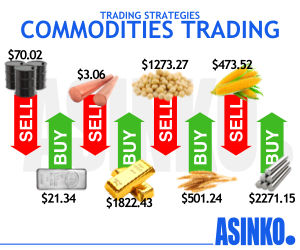
Commodities trading involves the buying and selling of raw materials or primary goods that are interchangeable with others of the same type. These can include agricultural products like wheat and coffee, energy sources such as crude oil and natural gas, and precious metals like gold and silver. The trading of commodities occurs on exchanges and over-the-counter (OTC) markets, with each platform having its own set of rules and standards.
Key Types of Commodities
- Agricultural Commodities: Examples include corn, soybeans, wheat, and cotton.
- Livestock and Meat: Products such as pork bellies, lean hogs, and feeder cattle.
- Metals: Precious metals like gold and silver, as well as industrial metals such as copper and zinc.
- Energy: Crude oil, natural gas, and gasoline are among the most traded energy commodities.
How Commodities Trading Works
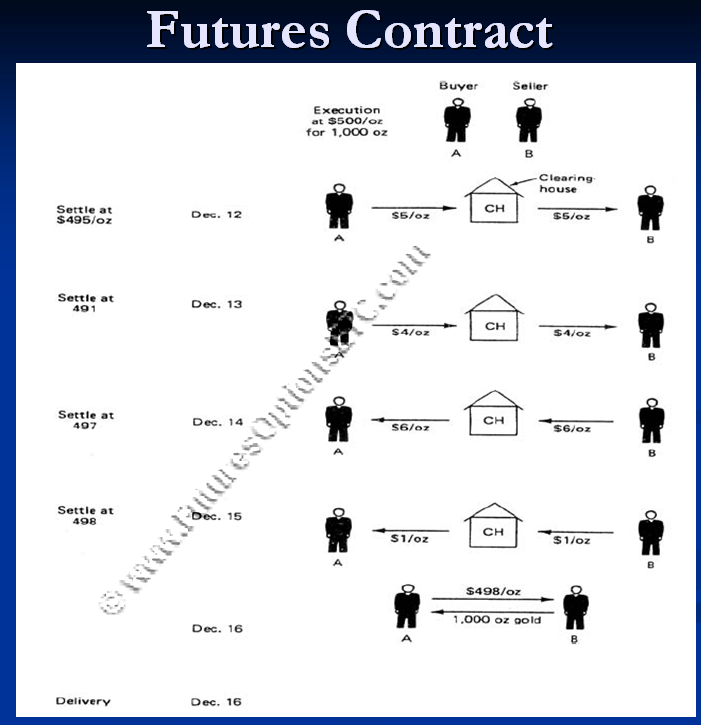
Commodities are typically traded through derivatives, which include futures and options contracts. These financial instruments allow traders to speculate on price movements or hedge against potential losses. Futures contracts, for instance, obligate the buyer to purchase a commodity at a predetermined price and date, while options provide the right, but not the obligation, to buy or sell a commodity at a specified price within a certain timeframe.
Derivatives in Commodities Trading
- Futures Contracts: Standardized agreements to buy or sell a commodity at a future date.
- Options Contracts: Provide flexibility to trade based on market conditions without the obligation to execute the trade.
Strategies for Commodities Trading
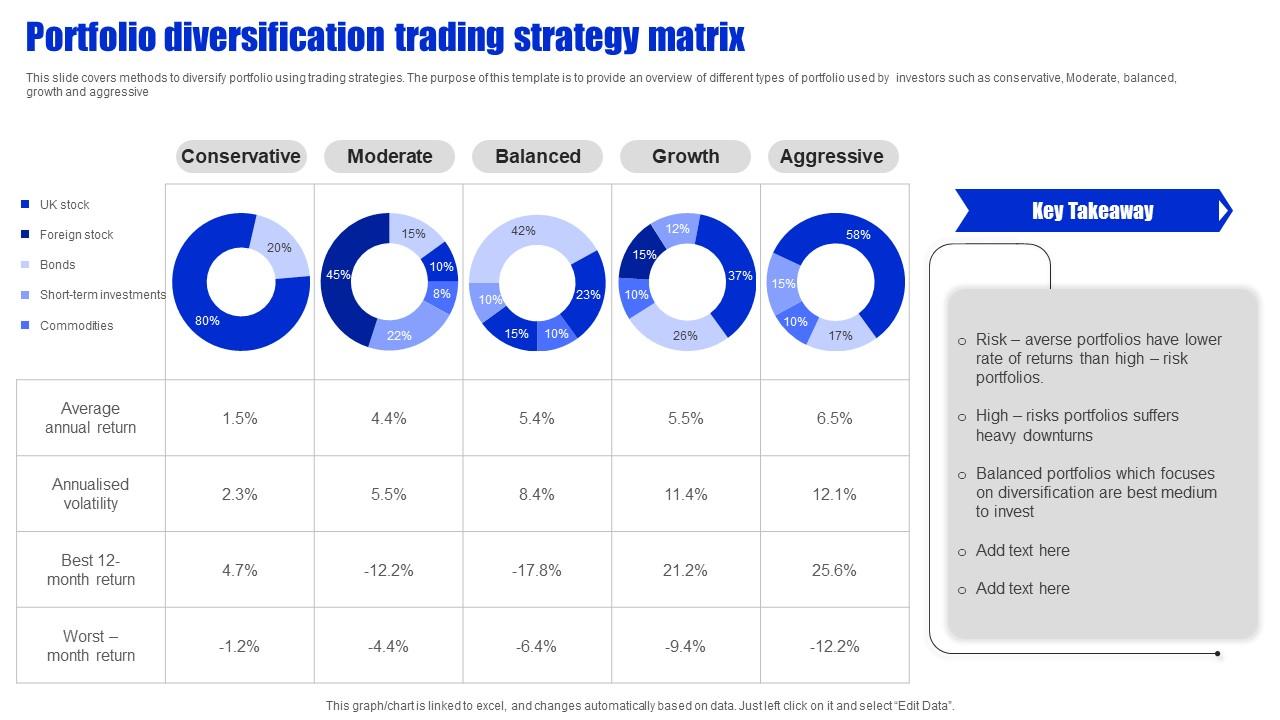
Successful commodities trading requires a combination of research, analysis, and strategic planning. Here are some key strategies:
- Hedging: This involves using derivatives to protect against price fluctuations. For example, a farmer might use a futures contract to lock in a price for their crop before harvest.
- Speculation: Traders may bet on price movements to profit from market volatility. This strategy requires careful monitoring of market trends and economic indicators.
- Diversification: Spreading investments across different commodities can reduce risk and increase potential returns.
Risks Associated with Commodities Trading

While commodities trading offers significant opportunities, it also comes with various risks that traders must be aware of:
1. Price Risk
Market prices can fluctuate rapidly due to supply and demand dynamics, geopolitical events, and macroeconomic factors.
2. Volume Risk
Uncertainty in production quantities due to weather conditions, agricultural yields, or mining outputs can impact availability.
3. Geopolitical Risk
Political instability or changes in policies in key producer or consumer countries can affect commodity prices.
4. Regulatory Risk
Changes in regulations, including trade tariffs and environmental laws, can impact the trading environment.
5. Counterparty Risk
The risk of the other party in a trade defaulting on their obligations.
6. Liquidity Risk
Inability to execute transactions at desired prices due to a lack of market depth.
Opportunities in Commodities Trading

Despite the risks, commodities trading presents several opportunities for investors:
- Global Demand: Increasing demand for resources like oil and metals drives price movements.
- Economic Growth: Emerging markets often experience higher demand for commodities, creating new investment opportunities.
- Inflation Hedge: Commodities can serve as a hedge against inflation, preserving purchasing power.
Conclusion

Commodities trading is a dynamic and complex field that requires a deep understanding of market forces, risks, and strategies. By employing effective risk management techniques and staying informed about market trends, traders can capitalize on the opportunities presented by this essential sector of the global economy. Whether you’re a seasoned investor or a newcomer, the world of commodities trading offers a wealth of possibilities for those willing to navigate its challenges.