Building a High-Performing SaaS Support Team: Strategies, Tools, and Metrics
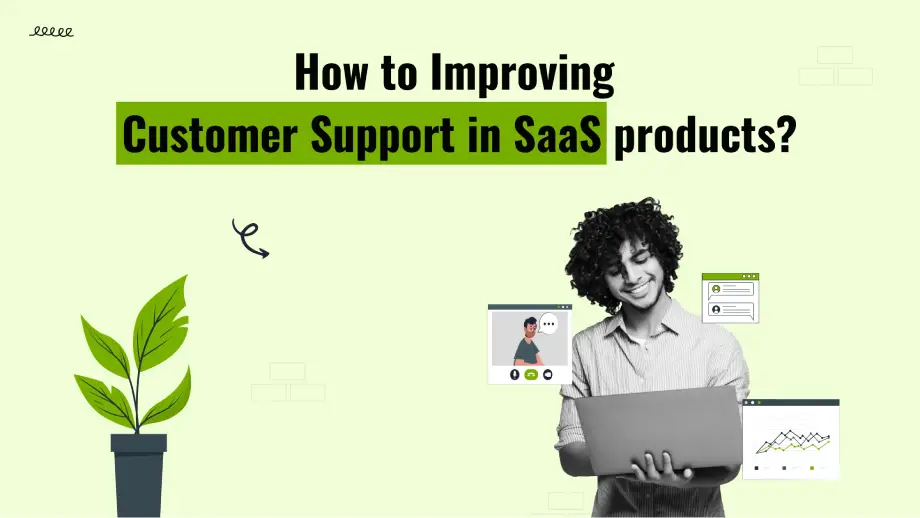
In the fast-paced world of Software-as-a-Service (SaaS), customer support is more than just a service—it’s a strategic asset that can make or break a company’s success. For early-stage SaaS companies, building a high-performing support team is one of the most critical investments they can make. The right approach to hiring, process development, and scaling can transform support from a cost center into a competitive advantage. In this article, we’ll explore the essential components of a successful SaaS support strategy, the tools that enable it, and the metrics that measure its impact.
Why SaaS Customer Support Matters
SaaS customer support is not just about resolving issues; it’s about ensuring customers continue to find value in your product over time. Unlike traditional software models, SaaS operates on a subscription basis, which means customer retention directly affects revenue. A well-designed support strategy helps reduce churn, improve customer satisfaction, and drive product adoption.
According to research, 81% of buyers consider a differentiated customer experience a deciding factor in vendor selection. This highlights the importance of personalized and proactive support in a competitive SaaS market. Additionally, support teams serve as a valuable source of product feedback, helping product teams identify pain points and opportunities for improvement.
The Building Blocks of a Great SaaS Support Strategy

Creating a successful SaaS support strategy requires a combination of the right mindset, processes, and tools. Here are the key elements that should be at the core of any effective support plan:
1. Maintain Customer Centricity
Customer centricity means putting the customer at the center of every decision. This involves regularly reviewing negative interactions, conducting root cause analysis, and tracking customer outcomes. These practices help identify deeper issues and ensure that the support team is continuously improving.
2. Set Personalization as the Bare Minimum

Personalized support makes customers feel valued and understood. With the rise of AI-driven responses, thoughtful human interactions stand out. Supporting agents should have access to CRM data, account details, and product usage history to tailor their responses effectively.
3. Offer Proactive Support
Proactive support involves anticipating customer needs before they arise. This can include preemptive issue notifications, payment alerts, educational content delivery, and usage-triggered guidance. Proactive support reduces friction and enhances the overall customer experience.
Assembling the Perfect SaaS Customer Support Toolkit
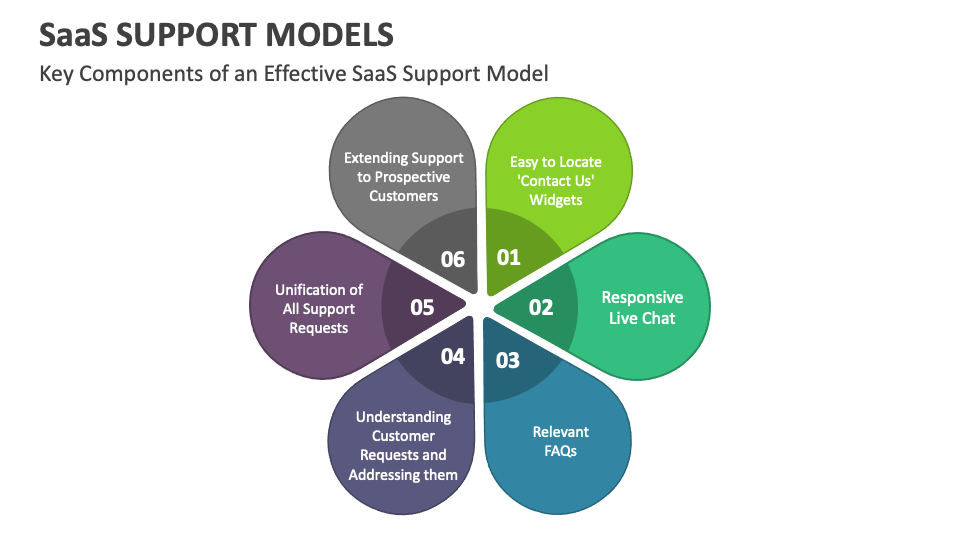
While great support starts with great people, it also requires the right tools. Here are the essential tools that every SaaS company should consider:
1. An Approachable, Searchable Knowledge Base
A well-organized knowledge base is the first line of defense against support tickets. It empowers customers to find solutions on their own, reducing the workload on support agents. Tools like Help Scout’s Docs offer features that make it easy to track how customers interact with your content.
2. Multi-Channel Help Desk
Support teams need to be available across multiple channels—email, chat, phone, and social media. A unified help desk ensures continuity and provides full context for each customer interaction. Platforms like Intercom and Freshdesk offer seamless integration across channels.
3. AI and Automation

AI can enhance support efficiency by automating routine tasks such as ticket prioritization and draft reply suggestions. However, it should be used as an enabler rather than a replacement for human interaction. Tools like Richpanel and Fullview offer AI-powered features that improve both agent productivity and customer satisfaction.
SaaS Customer Support Metrics That Matter

Measuring support performance is essential, but it’s important to choose the right metrics. While some metrics like first response time (FRT) and time to resolution (TTR) are useful, they should be balanced with qualitative insights. Key metrics to track include:
- Customer Effort Score (CES): Measures how much effort it took for a customer to get something done.
- Contact Rate: Tracks the percentage of active users who contact support.
- Self-Service Metrics: Includes AI deflection rate and help center deflection rate.
- Responsiveness Metrics: Measures FRT and TTR.
Building a High-Performing SaaS Support Team
Hiring the right people is crucial for a successful support team. Early-stage SaaS companies should look for generalists with curiosity and problem-solving skills. As the team grows, specialization may become necessary, but the foundation should always be built on strong, adaptable individuals.
Key steps to building a high-performing team include:
- Hiring for Customer Support: Look for candidates with early-stage experience and a customer-centric mindset.
- Customer Support Roles and Growth: As the team scales, roles may evolve from generalists to specialists in areas like technical support, customer success, and support operations.
- Leadership and Culture: Encourage a culture of continuous improvement and recognize behaviors that contribute to long-term customer success.
Overcoming Common Challenges

SaaS support teams often face challenges such as high ticket volume, technical issues, and documentation conflicts. Effective strategies to overcome these include:
- Managing High Ticket Volume: Prioritize urgent requests and optimize workflows to handle large volumes efficiently.
- Handling Technical Issues: Hire agents with technical backgrounds and provide them with the tools to troubleshoot complex problems.
- Avoiding Documentation Conflicts: Maintain a centralized knowledge base to ensure consistency across all communication channels.
Best Customer Support Tools for SaaS
Several tools are designed to help SaaS companies deliver exceptional support. Some of the top options include:
- Richpanel: Offers live chat, proactive support, and customer context features.
- Intercom: Provides real-time messaging and automation capabilities.
- Help Scout: Focuses on ticketing, live chat, and customer feedback management.
- Freshdesk: Offers multi-channel support and detailed reporting.
- Hubspot: Integrates with other tools to streamline customer interactions.
- Fullview: Enables cobrowsing and session replays for troubleshooting.
Conclusion
Building a high-performing SaaS support team is a strategic investment that pays off in reduced churn, improved customer satisfaction, and increased product adoption. By focusing on customer centricity, personalization, and proactive support, SaaS companies can create a support model that drives long-term growth. With the right tools, processes, and metrics in place, support teams can become a powerful asset that strengthens customer relationships and supports business success.