
How to Improve Your Credit Score: A Complete Guide for 2024
Your credit score is a crucial indicator of your financial health. It affects everything from the interest rates you receive on loans to your ability to rent an apartment or even get a job. Understanding how to improve your credit score can open doors to better financial opportunities and long-term stability. In this guide, we’ll walk you through practical steps to boost your credit score and maintain it over time.
Understanding Credit Scores
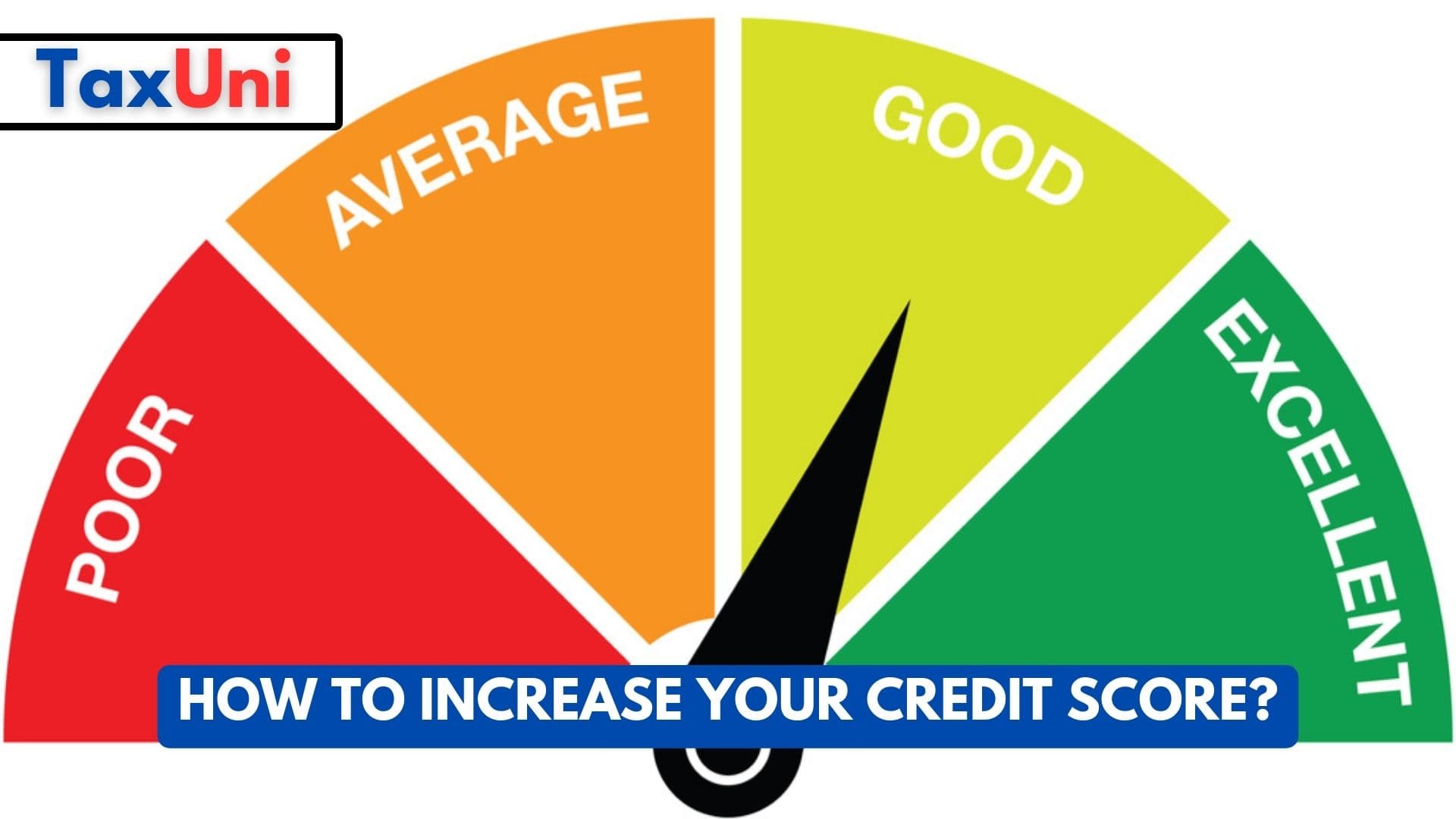
Before diving into strategies, it’s essential to understand what a credit score is and why it matters. The most commonly used credit score in the United States is the FICO® score, which ranges from 300 to 850. Here’s a breakdown of the categories:
- 800–850: Exceptional
- 740–799: Very Good
- 670–739: Good
- 580–669: Fair
- 300–579: Poor
A score above 700 is generally considered good, but aiming for 740 or higher can lead to the best loan terms and interest rates.
Strategies to Improve Your Credit Score
1. Pay Your Debt Strategically
Paying off debt strategically involves lowering your credit utilization rate, which is the percentage of your available credit that you’re using. Aim to keep this below 30%. Two popular methods are the snowball and avalanche approaches:
- Snowball Method: Focus on paying off smaller debts first to build momentum.
- Avalanche Method: Prioritize high-interest debts to save money over time.
2. Request Higher Credit Limits
If you consistently make on-time payments, consider asking your credit card issuer for a limit increase. This can lower your utilization rate without increasing your balance.
3. Pay Everything on Time

Timely payments are the most significant factor in determining your credit score. Late payments can severely damage your score and remain on your report for up to seven years.
4. Keep Your Oldest Account Open

Closing old accounts can reduce your average account age, which negatively impacts your score. Keep them open and use them occasionally to maintain a healthy credit history.
5. Diversify Your Credit

Having a mix of credit types, such as credit cards, loans, and mortgages, shows lenders that you can manage different forms of debt responsibly.
6. Avoid Opening New Credit Accounts

Each new credit application results in a hard inquiry, which can temporarily lower your score. Only apply for credit when necessary.
7. Monitor Your Accounts Regularly
Keep track of your bills, credit card payments, and loans. Set reminders to stay on top of due dates and check your credit report for errors or fraudulent activity.
8. Become an Authorized User

Ask a family member with good credit to add you as an authorized user on their account. This can help improve your score by reflecting their positive payment history.
9. Address Collections Debt

If you have unpaid debts in collections, address them promptly. Negotiate with creditors and request a goodwill letter to remove negative marks from your report.
The Importance of a High Credit Score

A strong credit score can significantly impact your life. It can help you secure better mortgage rates, qualify for lower interest loans, and even influence your ability to rent an apartment. Conversely, a low score can limit your financial opportunities and result in higher costs over time.
Maintaining a Healthy Credit Score

Once you’ve improved your credit score, it’s essential to maintain it. Continue making timely payments, keep your credit utilization low, and avoid unnecessary credit inquiries. Consistent financial habits will ensure your score remains stable and continues to grow.
Conclusion
Improving your credit score requires patience, discipline, and informed decisions. By following the strategies outlined in this guide, you can take control of your financial future and enjoy the benefits of a strong credit score. Remember, building good credit is a long-term process, but the rewards are well worth the effort.