How to Protect Yourself from Credit Fraud: Essential Tips and Strategies
Credit fraud is a growing concern in the United States, with identity theft and credit card fraud costing Americans over $52 billion annually. As cybercriminals become more sophisticated, it’s crucial for individuals to understand how to protect their financial information. This article provides essential tips and strategies to help you safeguard your credit and personal data.
Understanding Credit Fraud
Credit fraud occurs when someone uses your personal information without your permission to open accounts, make purchases, or take out loans in your name. This can lead to significant financial damage, including damaged credit scores and difficulty obtaining future credit. Common methods of credit fraud include:
- Identity theft: Thieves steal your Social Security number, credit card details, or other personal information.
- Phishing: Scammers send fake emails or messages to trick you into revealing sensitive information.
- Social engineering: Criminals manipulate individuals into divulging confidential information.
Understanding these threats is the first step in protecting yourself from credit fraud.
The Role of Credit Monitoring Services
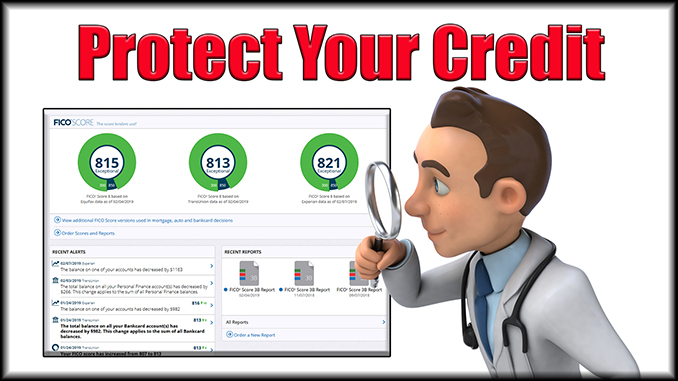
Credit monitoring services play a vital role in detecting and preventing credit fraud. These services track changes in your credit report and alert you to suspicious activity. Here’s what you need to know:
Key Features of Credit Monitoring Services
- Credit report tracking: Monitors your credit report for new accounts, inquiries, or changes in your credit score.
- Fraud alerts: Sends notifications if unusual activity is detected, such as a new credit card application or a large purchase.
- Dark web scanning: Some services scan the dark web for your personal information being sold or shared illegally.
Free vs. Paid Services
While some banks and credit card companies offer free credit monitoring, paid services often provide more comprehensive coverage. Premium services may include features like identity theft insurance, restoration assistance, and three-bureau monitoring (covering all three major credit bureaus: Equifax, Experian, and TransUnion).
Implementing Credit Freezes and Locks
Another effective way to protect your credit is by using a credit freeze or credit lock. Both options prevent unauthorized access to your credit file, but there are key differences:
Credit Freeze
- How it works: A credit freeze prevents creditors from accessing your credit report, making it harder for thieves to open new accounts in your name.
- Cost: Free under federal law.
- Duration: Lasts indefinitely unless you thaw it.
Credit Lock
- How it works: Similar to a credit freeze, but typically requires a monthly fee.
- Cost: May involve a subscription fee.
- Flexibility: Easier to unlock and re-lock online, but governed by a contract rather than state law.
Best Practices for Credit Fraud Protection
In addition to using credit monitoring services and freezes, there are several proactive steps you can take to protect yourself:
1. Monitor Your Credit Regularly
You’re entitled to one free credit report from each of the three major credit bureaus every 12 months at annualcreditreport.com. During the pandemic, this was expanded to weekly reports, but check the current policy for updates.
2. Use Strong Passwords and Two-Factor Authentication
Create unique, complex passwords for online accounts and enable two-factor authentication wherever possible. This adds an extra layer of security against unauthorized access.
3. Be Cautious with Personal Information
Avoid sharing sensitive information like your Social Security number or credit card details unless absolutely necessary. Be wary of phishing attempts and suspicious links.
4. Set Up Fraud Alerts
A fraud alert on your credit report makes it harder for identity thieves to open new accounts in your name. You can request a fraud alert through any of the three credit bureaus.
What to Do If You Become a Victim

If you suspect you’ve been a victim of credit fraud, act quickly:
- Report the fraud: Contact the Federal Trade Commission (FTC) at IdentityTheft.gov.
- Freeze your credit: Prevent further damage by placing a credit freeze on your files.
- File a police report: This can help in disputing fraudulent charges and recovering lost funds.
- Monitor your accounts: Keep a close eye on your bank and credit card statements for any unauthorized activity.
Conclusion
Protecting yourself from credit fraud requires a combination of vigilance, education, and the right tools. By understanding the risks, utilizing credit monitoring services, and implementing protective measures like credit freezes, you can significantly reduce your chances of becoming a victim. Stay informed, stay proactive, and take control of your financial future.