Loan Options for Individuals with Bad Credit in the United Kingdom
When it comes to securing a loan, having bad credit can feel like a significant obstacle. However, there are several alternative loan options available that cater specifically to individuals with poor credit scores. This article explores the various types of loans for bad credit, factors to consider before applying, and strategies to improve your chances of approval.
Understanding Bad Credit and Its Impact on Loans
Bad credit is generally defined as a FICO score below 580. This low score may result from missed payments, high debt levels, or a limited credit history. Lenders often view borrowers with bad credit as high-risk, leading to higher interest rates, fewer loan options, or even outright denial. However, this doesn’t mean you’re out of options. Many lenders specialise in loans for bad credit, and by understanding the available choices, you can find a loan that suits your needs.
Types of Loans for Bad Credit
There are several types of loans that cater specifically to individuals with bad credit. Each option comes with its own benefits and drawbacks, so it’s essential to evaluate them carefully before making a decision.
-
Personal Loans for Bad Credit
These unsecured loans can be used for various purposes, such as consolidating debt or covering emergency expenses. They are available from both traditional banks and online lenders but often come with higher interest rates due to the perceived risk. -
Benefits:
- Flexibility in how the funds are used
- Available from a wide range of lenders
- Fixed interest rates and repayment terms
-
Drawbacks:
- Higher interest rates compared to loans for individuals with good credit
- Some lenders may require collateral
-
Secured Loans for Bad Credit
A secured loan requires the borrower to provide collateral, such as a vehicle or home, to secure the loan. Because the lender has the collateral as security, they may offer lower interest rates than with unsecured loans, even for those with bad credit. -
Benefits:
- Lower interest rates compared to unsecured loans
- Easier approval process for individuals with poor credit
-
Drawbacks:
- Risk of losing your asset if you fail to repay the loan
- Typically limited to larger loan amounts
-
Payday Loans
Payday loans are short-term loans that are typically due on your next payday. These loans are often marketed to individuals with bad credit because they don’t require a credit check. However, they come with extremely high interest rates and fees. -
Benefits:
- No credit check required
- Fast approval and funding
-
Drawbacks:
- Extremely high interest rates and fees
- Short repayment terms, often leading to a cycle of debt
-
Credit Union Loans
Credit unions are not-for-profit financial institutions that often offer more flexible loan terms to their members. Some credit unions provide bad credit loans with lower interest rates and more lenient qualification requirements than traditional banks. -
Benefits:
- Lower interest rates and fees compared to payday lenders
- More personalised service and flexible terms
-
Drawbacks:
- Must be a member of the credit union to apply
- Limited availability depending on the credit union
-
Guarantor Loans
Guarantor loans require a friend or family member with good credit to co-sign the loan. This person agrees to make the loan payments if you’re unable to, which reduces the lender’s risk. -
Benefits:
- Easier to qualify for with bad credit
- Lower interest rates compared to unsecured loans
- Drawbacks:
- Requires someone willing to act as a guarantor
- Can strain personal relationships if payments are missed
Factors to Consider When Choosing a Loan for Bad Credit

Now that you’re familiar with the different loan options for bad credit, it’s time to consider what factors to evaluate before applying. Choosing the right loan can save you money and help you avoid further financial difficulties.
-
Interest Rates
One of the most important factors to consider is the interest rate. Loans with bad credit often come with higher rates, but it’s still important to shop around and compare offers from different lenders. A lower interest rate can save you a significant amount of money over the life of the loan. -
Fees and Charges
In addition to interest rates, be mindful of any additional fees associated with the loan. These could include origination fees, late payment penalties, or early repayment fees. Make sure to read the loan agreement carefully to understand all potential costs. -
Loan Terms
The loan term refers to how long you have to repay the loan. While longer terms may result in lower monthly payments, they also mean paying more interest over time. Conversely, shorter terms may have higher monthly payments but less overall interest. Consider what repayment schedule works best for your financial situation. -
Repayment Flexibility
Some lenders offer more flexible repayment options, such as the ability to change your payment date or temporarily pause payments in case of financial hardship. If you’re worried about your ability to make regular payments, look for a lender that offers these types of options. -
Lender Reputation
When considering bad credit loans, it’s important to research the lender’s reputation. Look for customer reviews and ratings to ensure the lender is trustworthy and transparent. Avoid lenders with a history of predatory practices, such as hidden fees or misleading terms.
Potential Drawbacks of Bad Credit Loans
While loans for bad credit can provide a financial lifeline, they also come with potential drawbacks that you should be aware of before making a decision.
-
Higher Interest Rates
As mentioned earlier, loans for bad credit typically come with higher interest rates than loans for individuals with good credit. This means you’ll pay more in interest over the life of the loan, which can make it more difficult to pay off. -
Risk of Predatory Lending
Some lenders target individuals with bad credit by offering loans with excessive fees, misleading terms, or unreasonably high interest rates. Be cautious of lenders who seem too good to be true, and always read the fine print. -
Impact on Credit Score
Taking out a loan can either help or hurt your credit score, depending on how you manage it. If you make your payments on time, it can improve your credit score over time. However, missing payments or defaulting on the loan can further damage your credit.
Tips for Improving Your Chances of Loan Approval
If you’re concerned about your ability to secure a loan due to your credit score, there are steps you can take to improve your chances of approval.
-
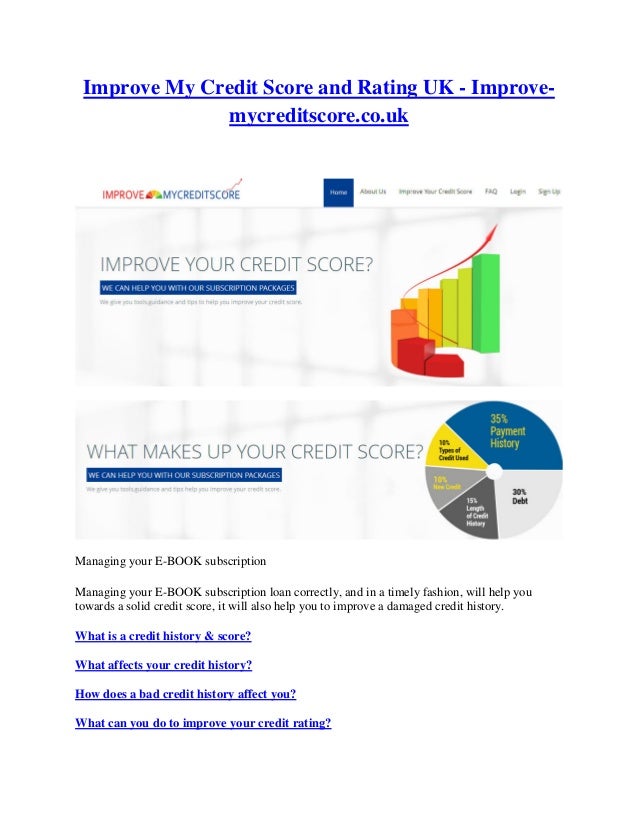
Check Your Credit Report
Before applying for a loan, check your credit report for any errors or inaccuracies that may be dragging down your score. Dispute any incorrect information with the credit bureaus to improve your credit rating. -
Consider a Co-Signer
If you’re struggling to qualify for a loan on your own, consider asking a friend or family member with good credit to co-sign the loan. This can increase your chances of approval and help you secure a lower interest rate. -
Build Your Credit
While it may not be an immediate solution, taking steps to improve your credit score over time can open up more loan options with better terms. Make sure to pay your bills on time, reduce your debt, and avoid applying for too much credit at once.
Conclusion
When it comes to securing a loan with bad credit, there are several options available, each with its own set of benefits and drawbacks. Whether you opt for a personal loan, secured loan, or guarantor loan, it’s essential to carefully consider the interest rates, fees, and loan terms before making a decision. By doing your research and making informed choices, you can find the right loan to meet your financial needs without further damaging your credit.